 ultimate-guide
Residential Fence Installation Services: A 2026 Guide
Table of Contents
- Understanding Residential Fence Installation Services
- Fence Materials and Types for Residential Properties
- Zoning, Permits, and Property Line Rules
- Fence Installation Cost Factors and Estimates
- How to Evaluate Fence Contractor Questions Before Hiring
- Fence Installation Process and Timeline
- Maintenance, Repairs, and Warranty Coverage
- Conclusion
- Frequently Asked Questions
Last Updated: October 7, 2026
Understanding Residential Fence Installation Services
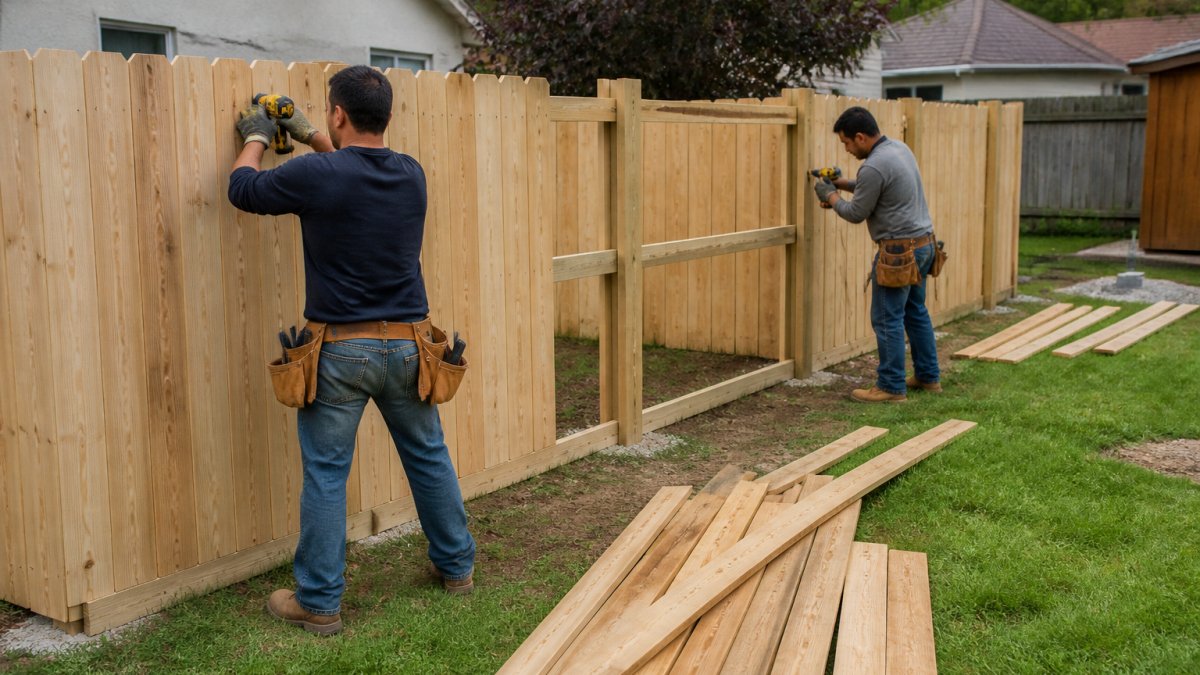
Residential fence installation is the process of designing, preparing, and constructing a durable boundary fence around your property with professional expertise and quality craftsmanship. Whether you're securing your backyard for pets, creating privacy, or enhancing curb appeal, the right fence installation service handles everything from initial site assessment through final cleanup. At Fence Company Lincoln, we manage each project comprehensively, from design consultation to completion, ensuring your fence meets local codes.
The difference between a fence that lasts and one that fails within a few years often comes down to installation quality. Posts set too shallow will lean. Materials chosen without regard for local climate will rot or warp. Contractors who rush the site preparation create uneven, unstable results. A professional residential fence installation service prevents these failures by following proven methods and backing the work with warranties.
Fence Materials and Types for Residential Properties
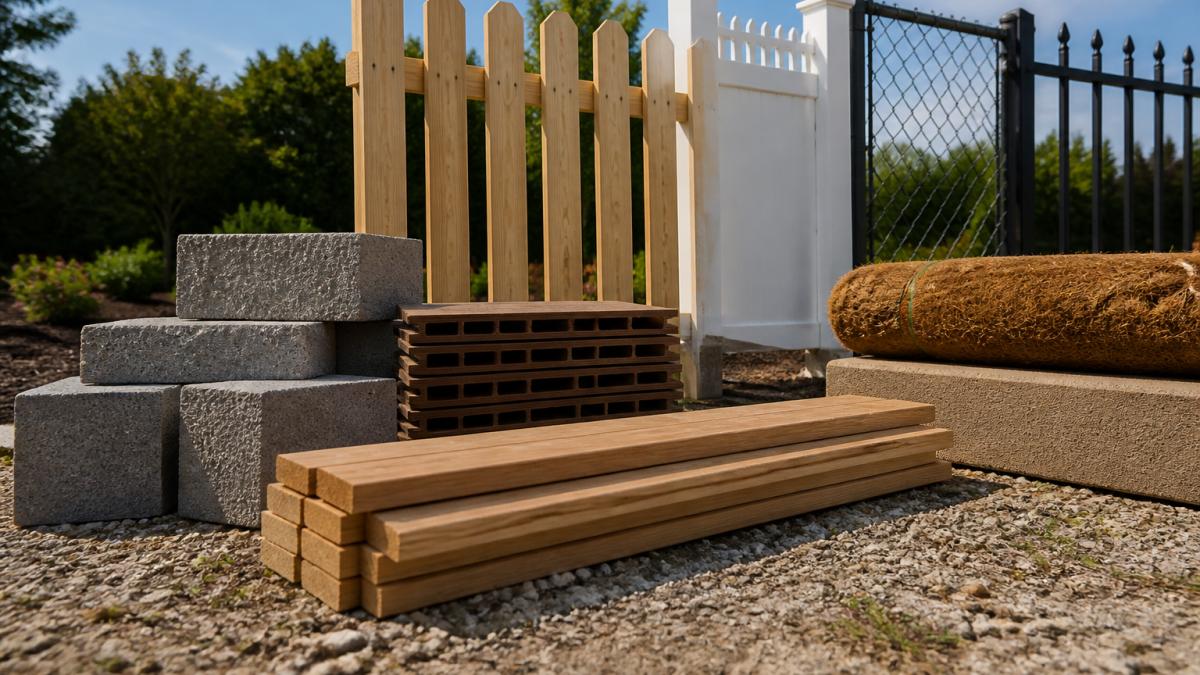
Your material choice determines durability, maintenance demands, appearance, and long-term cost. Different materials suit different priorities, and local weather patterns matter significantly.
Wood Fence Installation Options
Wood fencing offers classic aesthetics and reasonable initial cost, but requires ongoing maintenance to prevent rot and weathering. Cedar and pressure-treated lumber are the most common choices for residential installations.
Pressure-treated wood resists decay better than untreated lumber because it's infused with preservatives that slow rot. However, the wood still weathers over time, the grain raises, color fades, and surface checking (small cracks) develops. Annual sealing or staining extends the life considerably.
Cedar wood naturally resists rot better than pressure-treated pine, but costs more upfront. It also weathers to a silvery gray unless you stain it regularly. The real problem most homeowners face: they underestimate the maintenance.
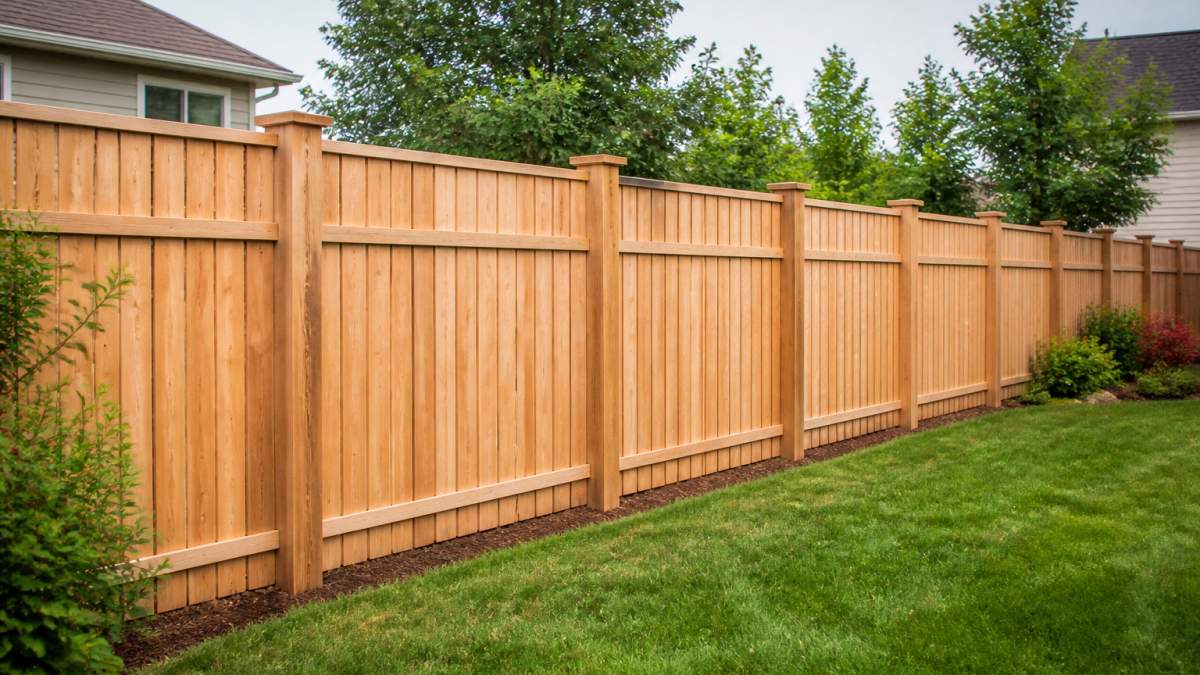
Common mistakes with wood fence installation include setting posts in concrete that sits above ground (water pools around the post base and accelerates rot), spacing posts inconsistently (which creates uneven fence lines), and not accounting for ground slope (which leaves gaps at the bottom).
Vinyl and Chain-Link Alternatives
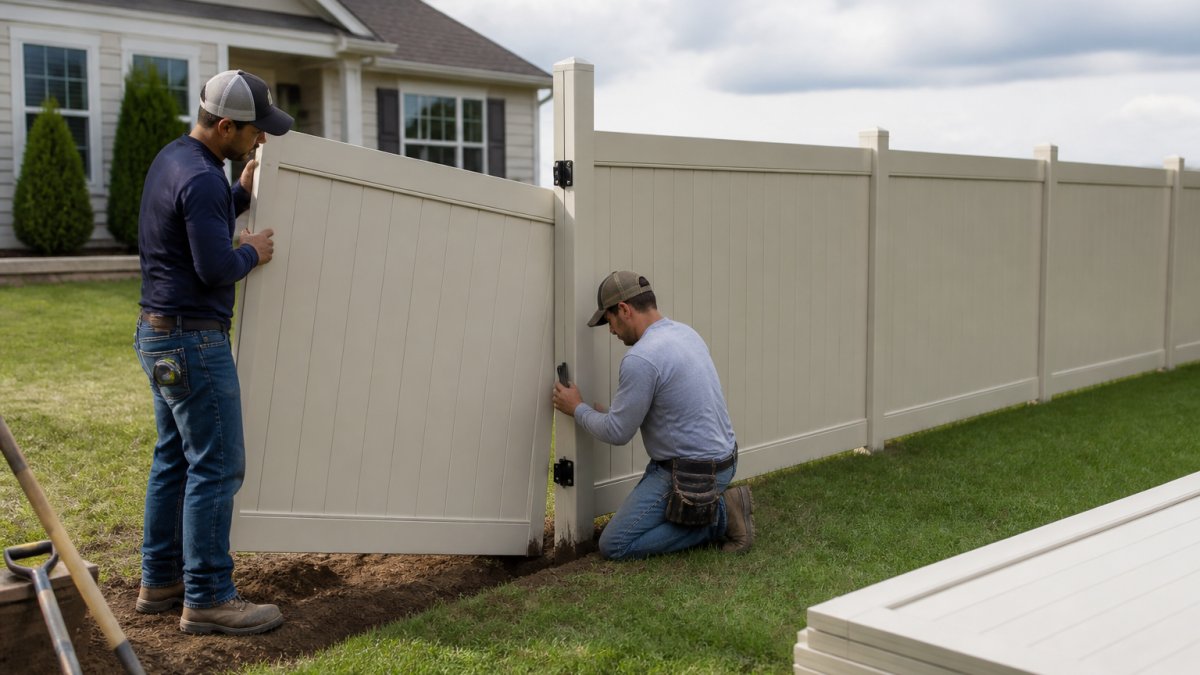
Vinyl fencing eliminates the maintenance burden of wood. It doesn't rot, splinter, or require sealing. The tradeoff: vinyl costs more upfront and can become brittle in extreme cold, though modern formulations have improved significantly. Vinyl handles Nebraska winters well when installed correctly.
Chain-link fencing offers the lowest upfront cost and works well for pet containment or temporary boundaries. It requires minimal maintenance, just occasional cleaning. The downside is aesthetics: chain-link reads as utilitarian. Many residential properties use it as a temporary solution while planning a more permanent fence. Installation quality still matters: posts must be plumb (perfectly vertical) and tension wires properly tightened, or the fence will sag within a season.
Ornamental Iron and Metal Fencing
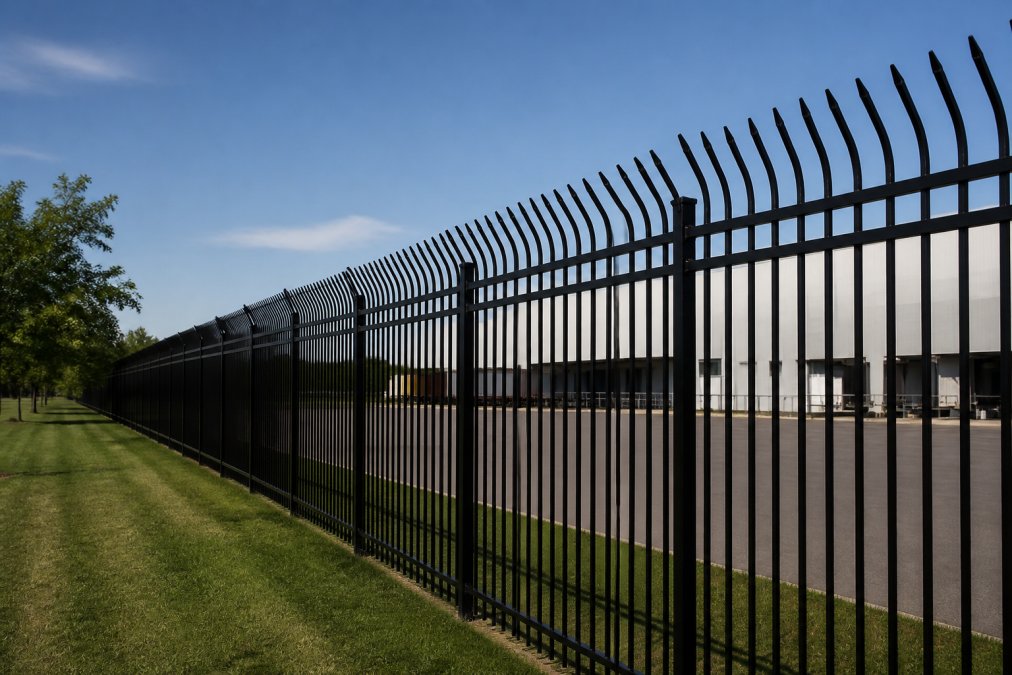
Wrought iron and ornamental steel create elegant, durable boundaries. These materials resist rot and weather well, though they require occasional painting to prevent rust. Iron fencing suits properties where aesthetics are the priority, front yards, pool enclosures, and high-visibility areas.
Installation of ornamental fencing demands precision. Posts must be perfectly plumb, and welding or fastening must be flawless. Poor craftsmanship shows immediately. Professional installation ensures structural integrity and a polished appearance.
Zoning, Permits, and Property Line Rules
Before breaking ground, verify your property lines and understand local fence height restrictions. Fence Company Lincoln handles this complexity, but here's what you need to know.
Most municipalities regulate fence height based on location. Front-yard fences often have a 4-foot maximum, while backyard fences may allow 6 feet or taller. Some areas restrict ornamental iron or require specific materials in certain zones.
Property line disputes cause real problems. Before hiring a fence contractor, obtain a survey or locate existing markers. Many contractors will recommend a survey if there's any ambiguity. Fence Company Lincoln can advise on local rules, but you should verify requirements with your local planning or zoning office or check your city's municipal code.
The real cost of skipping this step: a contractor installs your fence, and six months later a neighbor's survey reveals your fence encroaches on their property. You're now responsible for removal and reinstallation. Property line verification takes a few days, far cheaper than fence removal.
Fence Installation Cost Factors and Estimates
Fence installation pricing depends on several factors: linear footage, material choice, site conditions, gates, and local labor rates. No two projects cost the same.
Linear footage is the primary cost driver. A 100-foot fence costs more than a 50-foot fence, obviously.
Material selection dramatically affects price. Vinyl costs more than chain-link. Ornamental iron costs more than vinyl. Wood falls somewhere in the middle depending on lumber grade.
Site conditions matter enormously. If your ground is rocky, post-setting takes longer and costs more. If trees or stumps need removal, that's an additional expense.
Gates add cost. A single gate opening adds to the fence price, depending on size and material. Double gates cost more. Automated gates cost significantly more.
When you receive estimates, ask what's included. Does the price cover site cleanup? Post-hole digging and concrete? Material delivery? Permit fees? A detailed estimate lists these items separately. Vague estimates ("$X for your fence") hide surprises.
Fence Company Lincoln provides transparent estimates and can explain cost drivers specific to your property. We recommend getting multiple quotes, but focus on what's included, not just the bottom number.
How to Evaluate Fence Contractor Questions Before Hiring
Before signing a contract, ask these questions to separate professional contractors from those cutting corners.
How deep do you set posts, and what's your process? Posts should be set in concrete to a depth of at least one-third the fence height (a 6-foot fence needs 2-foot post holes).
Do you subcontract work, or do you handle installation in-house? Subcontracting means the contractor brings in other crews. This can lead to miscommunication, quality inconsistency, and gaps in accountability.
What warranty do you offer on installation? A reputable contractor backs their work with a written warranty covering defects in installation for at least one year. Some offer longer terms.
Can you provide references and photos of recent work? Ask for three to five recent projects similar to yours. Call the homeowners and ask about post-installation experience.
Are you licensed, insured, and bonded? A licensed contractor has passed competency requirements. Insurance protects you if a worker is injured on your property.
How long will the project take? Timeline depends on fence length, material, and site conditions. A realistic timeline shows the contractor isn't rushing. Unrealistic promises signal problems.
What happens if I'm not satisfied with the work? A confident contractor welcomes questions and is willing to address concerns.
Fence Installation Process and Timeline
Understanding the installation sequence helps you prepare and set realistic expectations.
Week 1: Site Assessment and Design, The contractor visits, discusses your goals, measures the property, identifies obstacles (trees, rocks, utilities), and explains local code requirements. This phase takes a few days. You'll receive a detailed estimate and timeline.
Week 2: Permits and Preparation, If permits are required, the contractor files them. You're responsible for locating underground utilities (call 811 before any digging begins, this is free and legally required).
Week 3-4: Installation, Post holes are dug to code depth. Posts are set in concrete and allowed to cure. Rails and pickets (or panels) are attached. Gates are hung.
Week 5: Final Inspection, The contractor walks the fence with you, addresses any touch-ups, and ensures you're satisfied. You inspect for plumb posts, tight connections, and overall appearance.
Total timeline typically ranges from 2-4 weeks for residential projects, depending on fence length, material, and permit requirements. Delays happen: weather, permit delays, utility location issues. A contractor who builds buffer time into the estimate is being realistic.
Maintenance, Repairs, and Warranty Coverage
Different materials require different maintenance. Understanding these demands helps you choose wisely and care for your fence properly.
Wood fences need annual inspection and sealing or staining every 2-3 years to prevent rot. Pressure-treated wood lasts longer unsealed than cedar, but both benefit from protection.
Vinyl fences need minimal maintenance: occasional cleaning with a garden hose and mild soap. Vinyl doesn't rot, but can crack if struck hard or become brittle in extreme cold.
Chain-link fences require occasional tension adjustment and rust inspection. If rust spots appear, they can be treated with rust converter and paint. Sagging chain-link needs re-tensioning.
Ornamental iron should be inspected annually for rust and loose welds. Touch-up painting prevents rust spread. Rust that's caught early is easy to treat; deep rust requires more extensive work.
Warranty coverage varies by contractor. Material warranties come from manufacturers (vinyl and wood manufacturers often offer warranties, but these don't cover installation issues).
A common mistake: homeowners assume the contractor's warranty covers normal wear and material failure. It doesn't. A warranty covers installation defects, posts set too shallow, improper concrete work, loose connections.
Conclusion
Choosing a fence contractor is a significant decision that affects your property's security, curb appeal, and long-term value. The right contractor combines quality materials, proven installation methods, transparent pricing, and accountability. Fence Company Lincoln brings 30 years of experience, in-house installation crews, full licensing and bonding, and a price-matching guarantee to ensure you get a durable fence installed correctly. We handle every phase, from site assessment and design through final cleanup, without subcontracting, so you have one trusted partner from start to finish. Contact us today for a free estimate and let us show you the difference professional craftsmanship makes.
Frequently Asked Questions
Do I need a permit to install a residential fence?
Most jurisdictions require a permit for residential fence installation, especially for privacy fences over 4 feet or those near property lines. Permits ensure your fence meets local height restrictions and setback requirements. Before hiring a contractor, confirm whether permit costs are included in their estimate. Many professional installers handle permit applications as part of their comprehensive project management, but verify this with your chosen contractor upfront.
What questions should I ask a fence contractor before hiring?
Ask about licensing, insurance, and bonding status. Request references from recent residential projects and verify their experience with your preferred material. Inquire about post depth and installation methods to prevent leaning or settling. Ask whether they subcontract work or handle projects in-house, and confirm their warranty terms on both materials and labor. Request a detailed written estimate that breaks down material, labor, and site preparation costs to compare fairly across contractors.
How much does residential fence installation typically cost?
Fence installation cost depends on material selection, linear footage, site conditions, and labor complexity. Wood fences generally cost less upfront than vinyl or ornamental iron, but require more maintenance. Chain-link is typically the most budget-friendly option. Professional installation adds labor costs, but prevents costly mistakes like shallow post setting or improper spacing. Contact local contractors for detailed quotes based on your specific project requirements, materials, and property size.
How long does residential fence installation take?
Project duration depends on fence length, material, and site conditions. Weather delays, soil conditions, and permit processing can extend timelines. Discuss project duration with your contractor during the planning phase, especially if you have a time-sensitive deadline such as a property sale or seasonal requirement.
What is the best fence material for residential properties?
The best material depends on your priorities. Wood offers classic aesthetics and lower initial cost but requires regular maintenance to prevent rot and weathering. Vinyl provides durability and low maintenance, ideal for harsh climates, but costs more upfront. Chain-link is affordable and secure for pet containment but offers limited privacy. Ornamental iron adds curb appeal and security. Consider Nebraska weather, your maintenance tolerance, privacy needs, and budget when selecting material for your residential property.
How do I prevent wooden fence posts from rotting?
Proper installation is the first defense against rot. Ensure posts are set deep enough in the ground with concrete footings to prevent water pooling at the base. Use pressure-treated lumber rated for ground contact, and apply a water-resistant sealant annually. Good drainage around the fence line and trimming vegetation away from the fence base also reduce moisture exposure. Professional installers use proven techniques to protect post integrity, and many offer warranties covering installation workmanship.
Can a sagging gate be repaired, or does it need replacement?
Many sagging gates can be repaired by reinforcing the frame, adjusting hinges, or replacing worn hardware. However, if the frame is warped or the posts are leaning, replacement may be more cost-effective than repair. A professional contractor can assess the damage and recommend the most practical solution. Gate repair costs vary widely based on material and damage extent, so request an on-site evaluation and written estimate before deciding whether to repair or replace.