 listicle
7 Best Alternatives to Chain Link Fencing for Residential Yards
Table of Contents
- Why Homeowners Are Replacing Chain Link Fencing
- Wood Fence Cost and Why It Remains a Top Choice
- Vinyl Fencing Pros and Cons for Residential Yards
- Aluminum and Metal Fencing: Durability Without the Rust
- Hog Wire, Composite, and Coated Wire Alternatives
- Privacy Landscaping and Natural Barriers
- How to Choose the Right Alternative for Your Yard
- Frequently Asked Questions
Last Updated: September 27, 2026
Why Homeowners Are Replacing Chain Link Fencing
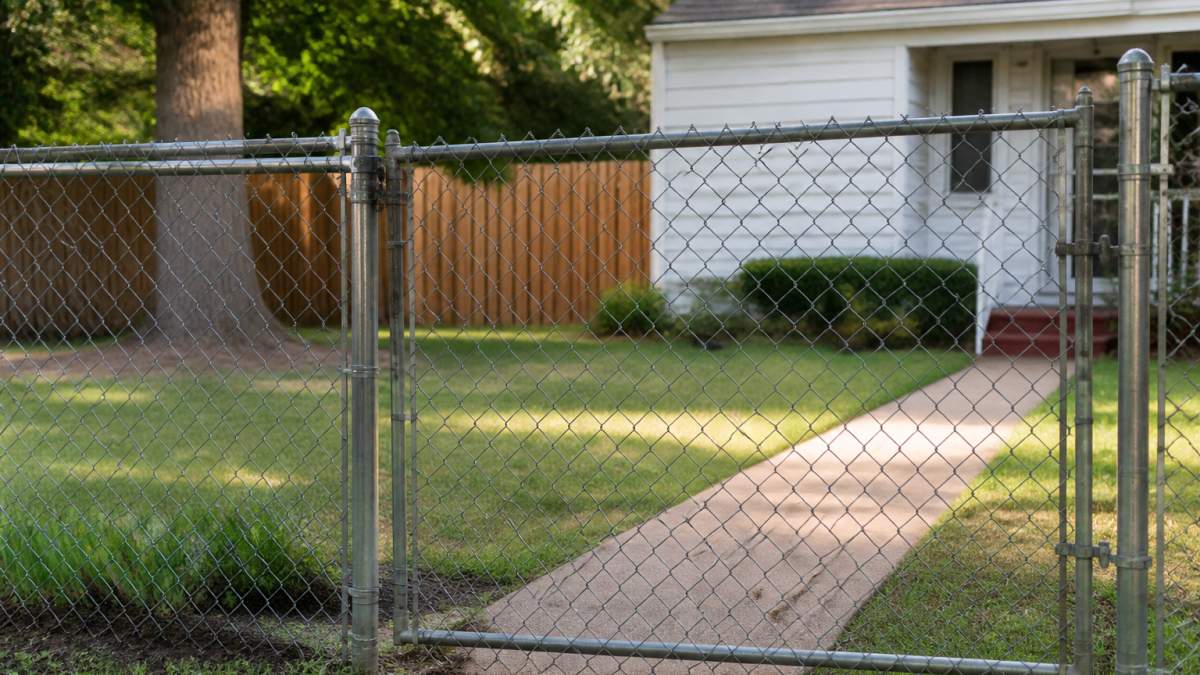
Chain link fencing is cheap and tough, but it does little for how a yard looks or feels. That's why so many homeowners hunt for alternatives to chain link fencing: the fence works, but it makes the property feel like a storage lot instead of a home.
Chain link gets torn out for three reasons: curb appeal, privacy, and pet containment that actually holds. A standard chain link panel offers almost no visual screening, and the galvanized finish reads as industrial.
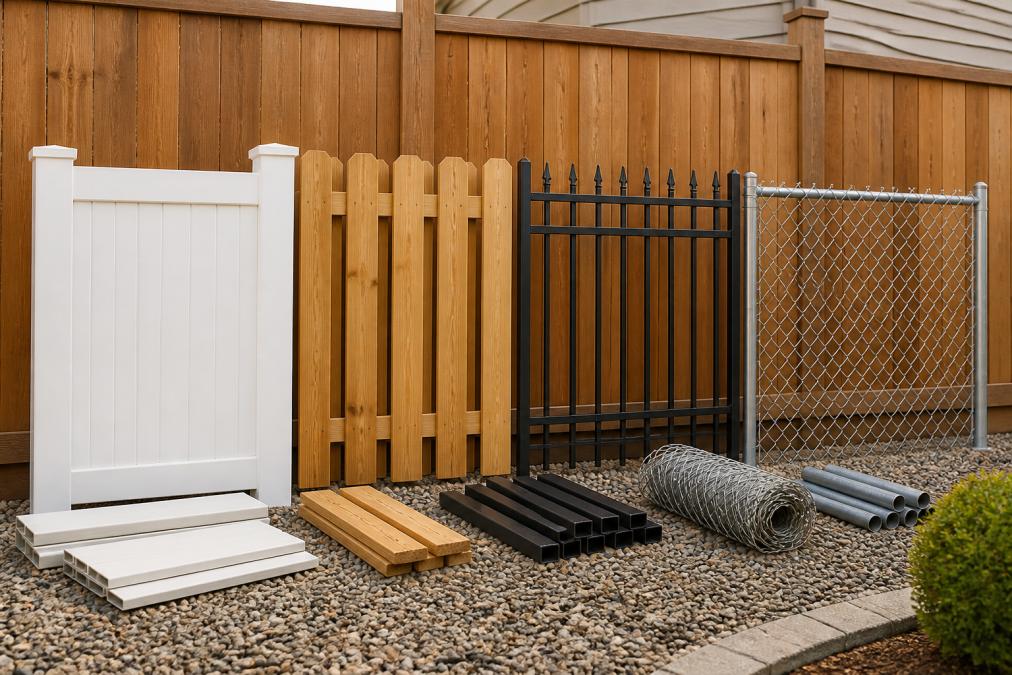
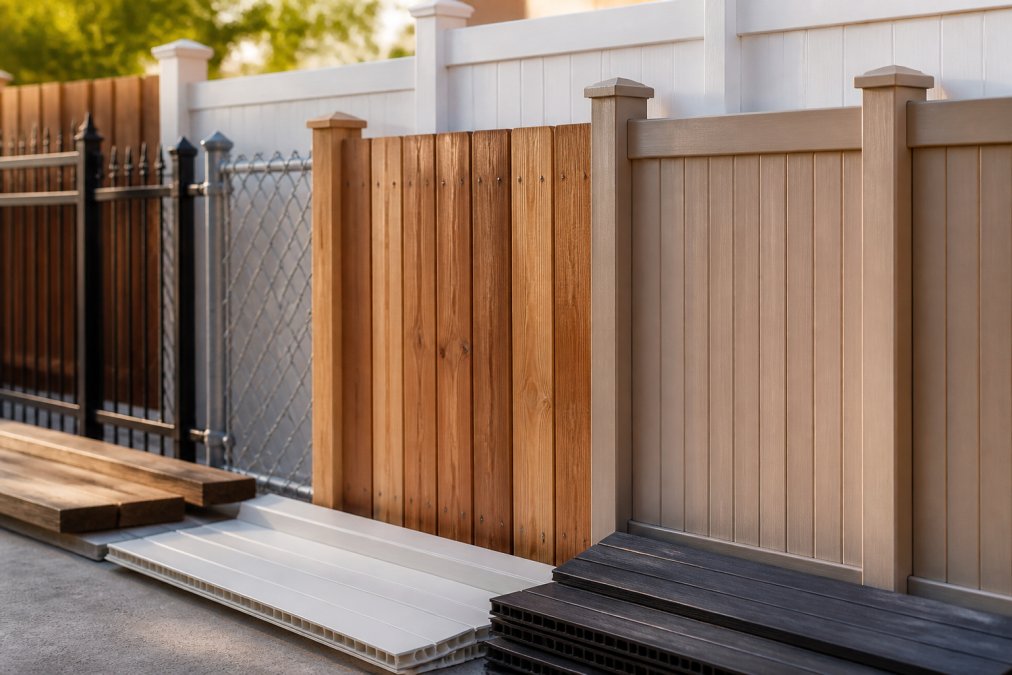
The alternatives have never been better. Vinyl, aluminum, cedar, composite, and coated wire systems cover every budget, and several are maintenance-free or close to it. Below, we break down options and which fits your yard.
Wood Fence Cost and Why It Remains a Top Choice
A wood privacy fence delivers full screening, a natural look, and full control over height and design.
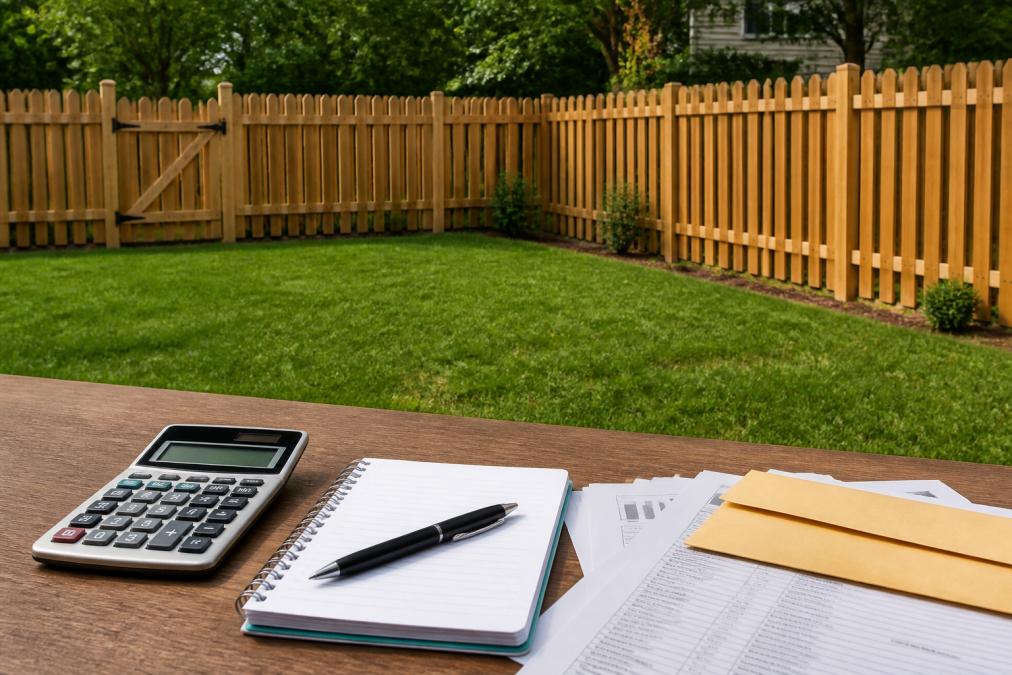
Cedar is the smart pick for most homeowners. It resists insects and decay naturally, so it holds up far longer than untreated pine in wet seasons. The trade-off is maintenance: wood needs periodic staining or sealing to keep it from graying and to protect the base from rot.
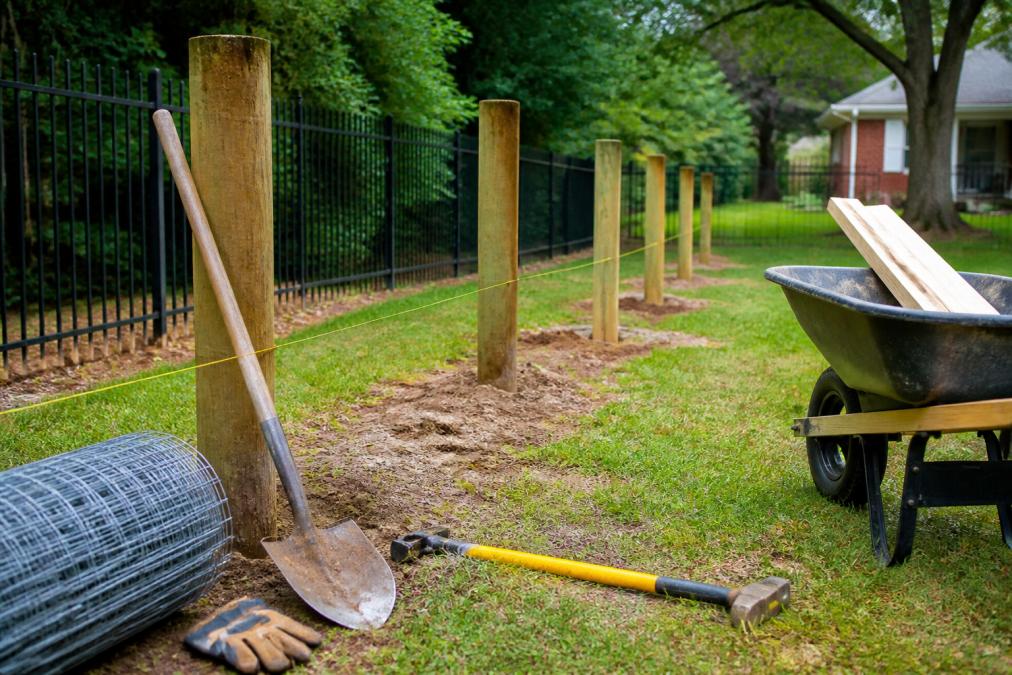
The most common failure we see is posts rotting at the ground line, usually because they weren't set deep enough in concrete or the soil wasn't graded to drain away from the base. A properly set post with concrete and good drainage is the difference between a fence that lasts and one that leans within a year.
Pros:
- Excellent privacy and full screening
- Highly customizable height, style, and finish
- Natural aesthetic that boosts curb appeal
Cons:
- Requires staining or sealing every few years
- Can rot at the base if posts aren't set correctly
Vinyl Fencing Pros and Cons for Residential Yards
The main vinyl fencing pros are simple: it never needs painting, it won't rot or rust, and it holds its color for years. The cons are equally clear: higher upfront cost than chain link, and cheaper grades can crack or sag in extreme temperature swings.
For homeowners who want privacy without ongoing maintenance, vinyl is hard to beat. Modern panels use UV protection and color-fast pigments, so they resist fading far better than the first generation, and premium PVC systems add internal reinforcement that resists bowing.
Where vinyl falls short is tight budgets.
| Material | Upfront Cost vs. Chain Link | Maintenance | Best For |
|---|---|---|---|
| Wood (cedar) | Moderate | Staining every few years | Privacy and natural look |
| Vinyl / PVC | Higher | Rinse occasionally | Low-maintenance privacy |
| Aluminum | Moderate to higher | Minimal | Aesthetics and durability |
| Composite | Highest | Minimal | Wood look, no upkeep |
| Coated wire | Low | Minimal | Budget and garden use |
Aluminum and Metal Fencing: Durability Without the Rust
Aluminum fencing gives you the look of wrought iron without the rust that plagues traditional metal. A rust-resistant powder coating protects the surface, and the lightweight construction installs easily on sloped or uneven terrain.
Hog Wire, Composite, and Coated Wire Alternatives
Hog wire and field fence have moved from farm supply stores into residential backyards. A hog wire panel stretched between timber posts gives a clean, modern look with open sightlines, and the standard 4-gauge wire in a 2x4 or 4x4 grid is rigid enough to resist a dog leaning on it, more than bare chain link fabric can claim.
Pet-specific containment: the gap most guides skip
A large share of homeowners replace chain link specifically because it fails their dog. The two failure modes are climbing and digging, and they call for different fixes.
Quick comparison:
- Hog wire: open, modern, durable; pairs well with timber posts and arborvitae screening; good for climbers and medium-to-large dogs
- Composite: wood look, no upkeep, highest upfront cost; best for small dogs, reactive dogs, and homeowners who want zero maintenance
- Coated wire: cheap, flexible, best for garden enclosures and budget projects; choose a tight grid for small pets
Privacy Landscaping and Natural Barriers
Privacy landscaping is the quiet alternative many homeowners overlook. A row of arborvitae, a hedge, or a layered planting scheme can screen a yard completely without a single fence panel.
How to Choose the Right Alternative for Your Yard
Choosing the right alternative comes down to four questions: what you need the fence to do, what your HOA and local code allow, what your budget covers, and how much maintenance you'll keep up with. The rules question is where projects actually die, so start there.
Step 1: Check the rules before you fall in love with a material
Fence rules come from three layers, and they don't always agree:
- HOA covenants. Private contracts recorded against your deed. They commonly cap front-yard fence height at 3 to 4 feet and backyard fences at 6 feet, restrict colors, and require architectural review committee (ARC) approval before installation. Many HOAs ban chain link in front yards and some ban it everywhere, often the real reason a homeowner is shopping for alternatives.
- Municipal zoning and fence ordinances. Cities typically regulate height by yard location (front, side, corner, rear), setback from the property line, and orientation (finished side facing the neighbor). Pool barriers are governed separately and are usually the strictest rule on the lot.
- State and local pool codes. Most jurisdictions adopt a version of the International Swimming Pool and Spa Code (ISPSC) or an equivalent barrier standard. Common requirements include a minimum 48-inch barrier height, self-closing and self-latching gates, and no climbable horizontal members or gaps that a young child could pass through.
Step 2: Match the material to the job
- Pet containment: tight mesh (2x3 or smaller), a solid bottom edge, and either a buried apron or a tension wire at grade. Hog wire and coated wire excel here; open aluminum pickets do not.
- Privacy: solid panels at the maximum height your rules allow. Wood, vinyl, and composite are the workhorses.
- Curb appeal: a material that ages well with minimal work, aluminum, vinyl, or composite, paired with landscaping.
- Pool barrier: a code-compliant system with self-latching hardware, regardless of aesthetics.
Step 3: Weigh the real cost, not just the sticker
Wood adds periodic staining and sealing. Vinyl and composite ask almost nothing later. Factor in installation quality, a poorly set post ruins even the best material, plus any ARC submission or survey needed to prove setbacks.
Step 4: Plan the removal of the old chain link
Replacing chain link means dealing with the chain link. Most homeowners underestimate this step. A typical removal involves:
- Disconnecting the fabric from the terminal posts and line posts, then rolling it in sections.
- Pulling posts. Concrete-set posts are the hard part. Options range from digging them out to rocking them loose with a long bar, to cutting them at grade and leaving the footer buried (check local rules, some jurisdictions prohibit leaving footers).
- Disposal or recycling. Galvanized steel fabric and posts are scrap metal and are accepted at most scrap yards. Call ahead for current acceptance rules and any minimum quantity.
- Repurposing. Intact panels get reused for garden trellises, compost bins, and pet kennels. Posts make good tomato stakes.
Frequently Asked Questions
What are some good substitutes for a chain link fence?
Popular substitutes include wood, vinyl, aluminum, composite, and coated wire fencing. Wood offers privacy and natural looks, vinyl provides low maintenance, and aluminum delivers durability with minimal upkeep. For budget-conscious homeowners, coated wire is a cheaper option. Each material varies in cost, privacy, and lifespan, so consider your yard's specific needs before deciding.
What is the least expensive way to fence a yard?
Coated wire fencing and basic wood fence cost are often the most budget-friendly options. Coated wire is lightweight and easy to install, while wood can be cost-effective if you choose standard heights and designs. Keep in mind that installation costs vary by region and fence height. For an accurate quote, contact a local fence company that can assess your property.
Is PVC fence cheaper than chain link?
PVC fencing typically costs more upfront than chain link due to higher material and installation costs. However, PVC offers better privacy, aesthetics, and longevity, which can offset the initial investment. Chain link is cheaper but provides no privacy and may rust over time. If privacy and curb appeal are priorities, PVC may be worth the extra cost.
Which fencing material offers the best balance of privacy and cost?
Wood fencing often strikes the best balance between privacy and cost. It blocks views effectively and can be customized, though it requires periodic maintenance. Vinyl is another option with higher upfront cost but lower maintenance. For tight budgets, consider a wood frame with privacy lattice or a combination of wood and coated wire.
Replacing chain link is a real decision, and the wrong material means paying twice. Fence Company Lincoln brings over 30 years of experience, family-owned service, and a no-subcontracting promise to every project, along with high-quality materials and full project management from design to completion. Get started with Fence Company Lincoln and secure a yard that looks as good as it's protected.