 comparison
Wood vs Vinyl Fencing Pros and Cons: 2026 Guide
Table of Contents
- Wood vs Vinyl Fencing: Quick Comparison Table
- Pros and Cons of Wood Fencing
- Pros and Cons of Vinyl Fencing
- Wood Fence Cost: Initial Investment and Long-Term Value
- Average Lifespan of Wood vs Vinyl Fence
- Fence Maintenance Tips for Wood and Vinyl
- Regional Climate, HOA Rules, and Resale Value
- Conclusion
- Frequently Asked Questions
Last Updated: September 17, 2026
Wood vs Vinyl Fencing: Quick Comparison Table
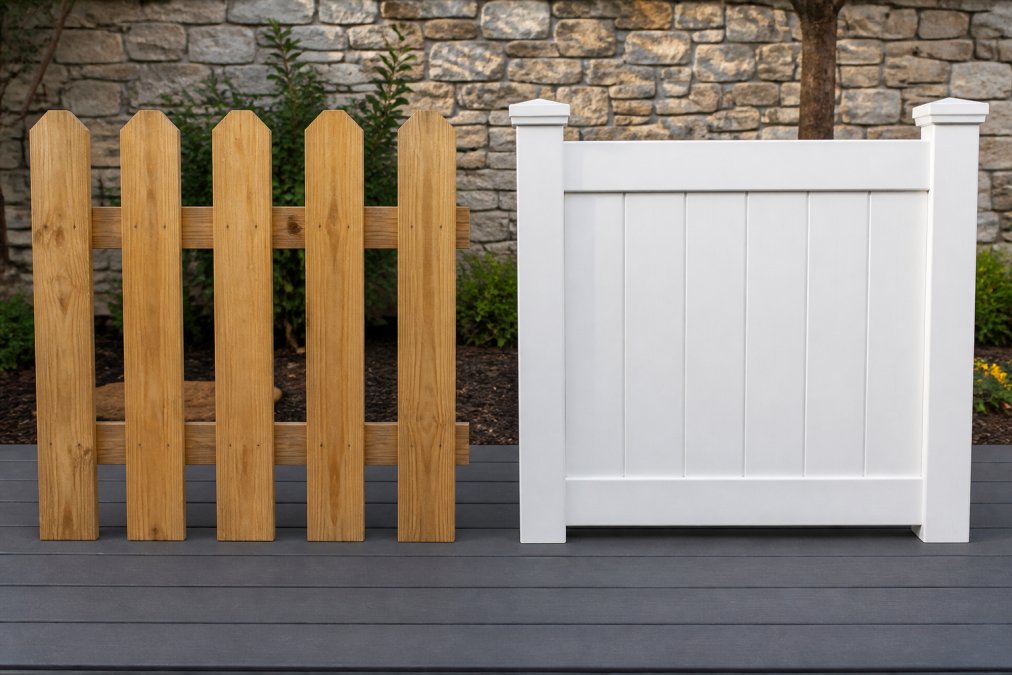
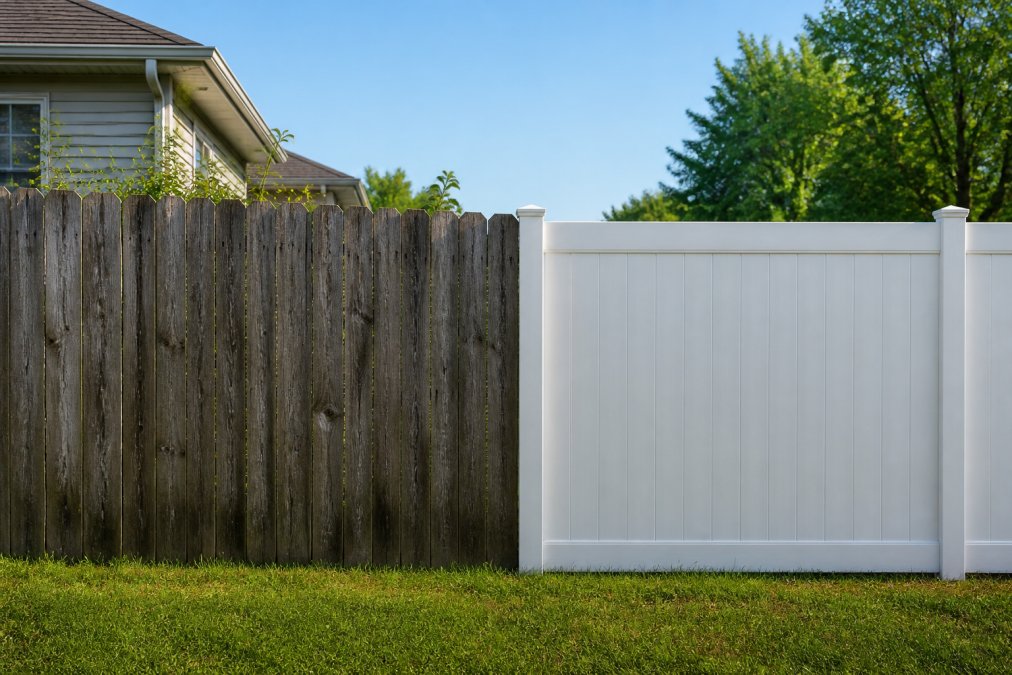
Choosing between wood vs vinyl fencing comes down to a simple trade-off: wood costs less upfront and looks more natural, while vinyl costs more initially but demands almost no maintenance. According to Lowe's wood vs vinyl fence buying guide, wood fencing starts around $8 per linear foot, compared to roughly $15 per linear foot for vinyl. This guide from Fence Company Lincoln breaks down the real pros and cons of each material so you can pick the right fence for your property, budget, and climate.
| Factor | Wood Fencing | Vinyl Fencing |
|---|---|---|
| Upfront cost | Lower ($8/linear ft) | Higher ($15/linear ft) |
| Lifespan | 10-15 years | 20+ years |
| Maintenance | Staining, sealing, repairs | Soap and water only |
| Rot and insects | Vulnerable | Resistant |
| Customization | High (stain, paint, cut) | Limited after install |
| Best for | Budget, natural look | Low-effort, long-term value |
Pros and Cons of Wood Fencing
Wood fencing is the traditional choice for homeowners who want a natural look and lower upfront costs. It remains the most customizable fencing material available, which is why it stays popular despite its maintenance demands.
Advantages of Wood Fencing
- Lower initial investment than vinyl
- Natural wood grain aesthetic that suits almost any landscape
- Easy to stain, paint, or cut to a custom design
- Simple to repair, since individual pickets or boards can be swapped out
Drawbacks of Wood Fencing
- Requires regular staining and sealing to prevent moisture absorption
- Susceptible to rot, warping, cracking, and termite damage
- Shorter lifespan than vinyl, especially in wet climates
Pros and Cons of Vinyl Fencing
Vinyl fencing is a synthetic option built for longevity and minimal upkeep. It is made from PVC composition engineered to resist rot, insects, and moisture.
Advantages of Vinyl Fencing
- No painting, staining, or sealing required
- Resists rot, termite damage, and moisture absorption
- Typical lifespan of 20+ years, per Walpole Outdoors fence comparison
- Cleans up with simple soap and water
Drawbacks of Vinyl Fencing
- Higher upfront cost
- Less customizable once installed
- Can become brittle in extreme cold, and cheaper grades fade or yellow from UV degradation
Wood Fence Cost: Initial Investment and Long-Term Value
Wood fence cost is lower at the start but higher over time because of maintenance and replacement. A wood fence often has a lower upfront price than vinyl per linear foot, but staining, sealing, and repairs add up across its life. To compare fairly, break the decision into four cost buckets: materials, labor, recurring maintenance, and replacement timing.
What drives the upfront price
- Material grade. Pressure-treated pine is the budget baseline; cedar and redwood cost more per board but resist rot and insects longer, which can reduce replacement frequency.
- Height and linear footage. Most residential privacy fences run 6 feet tall. Taller fences need longer posts, deeper footings, and more material per section.
- Post spacing and footings. Posts set in concrete at the correct depth cost more in labor and concrete but are the single biggest factor in how long the fence stays plumb.
- Gates and corners. Each gate adds hardware, bracing, and a heavier post; corners and end posts need extra bracing to resist wind load.
- Removal of an old fence. Tear-out and disposal are frequently quoted separately, so confirm whether the estimate includes hauling away existing material.
What drives the long-term cost
- Staining and sealing. Most wood fences need a fresh coat every 2-3 years. The cost is the product plus either your weekend labor or a contractor's time, and it recurs for the life of the fence.
- Board and picket replacement. Individual boards are cheap and easy to swap, but repeated replacements signal that the fence is nearing the end of its service life.
- Post replacement. A rotted post is the most expensive single repair because the surrounding sections usually have to come out to reset it.
- Full replacement. Wood typically lasts 10-15 years with consistent care, so a homeowner may replace the fence once or twice over a 30-year ownership period.
| Cost Factor | Wood | Vinyl |
|---|---|---|
| Upfront material | Lower | Higher |
| Annual maintenance | Regular (stain/seal every 2-3 years) | Minimal (occasional wash) |
| Repair style | Swap individual boards | Replace damaged panels or posts |
| Replacement timeline | Sooner (10-15 years) | Later (20+ years) |
| Best value when | Budget is tight and you'll do the upkeep | You want to pay once and stop thinking about it |
Average Lifespan of Wood vs Vinyl Fence
The average lifespan of wood vs vinyl fence differs sharply. Wood typically lasts 10 to 15 years with consistent care, while vinyl commonly reaches 20 years or more with almost no upkeep.
Fence Maintenance Tips for Wood and Vinyl
Fence maintenance tips differ by material, but the goal is the same: protect structural integrity and appearance. Wood needs active care, while vinyl needs only occasional cleaning.
- Wood: Stain or seal every 2-3 years, inspect for rot at the base, and re-tighten hardware as boards shift.
- Vinyl: Rinse with soap and water once or twice a year, and check post stability after hard freezes.
- Both: Clear soil and debris away from the base to reduce moisture absorption.
Regional Climate, HOA Rules, and Resale Value
Climate, HOA rules, and resale value often decide the winner more than price does. Most comparisons stop at "wood needs maintenance, vinyl doesn't." The three factors below are where the decision actually gets made, and where most guides leave you guessing.
Regional climate performance
The same fence can perform very differently two states apart. Match the material to the dominant stressor where you live:
- High humidity and heavy rainfall. Constant moisture is wood's worst enemy. Untreated or poorly sealed wood wicks water at the end grain and post base, which is where rot and termite damage start. Vinyl is unaffected by moisture, so it holds up better in these conditions.
- High UV and intense sun. Ultraviolet exposure breaks down wood lignin, causing graying, checking, and surface cracking, and it drives color fade in vinyl. Quality UV-stabilized vinyl panels resist chalking and yellowing far longer than lower grades; wood needs periodic stain with UV inhibitors to slow the same damage.
- Freeze-thaw cycles. Water trapped in wood grain expands when it freezes, which opens cracks and lifts finishes. Vinyl can become more brittle in extreme cold, so impact resistance drops in deep winter, a consideration if the fence borders a driveway or sports area.
- Dry, arid climates. Low moisture slows wood rot dramatically, which is why wood fences often outlast their rated lifespan in dry regions. Vinyl also performs well here, but static buildup and dust show more on smooth panels.
- High wind and coastal salt. Wind load stresses posts and footings more than panels. Coastal salt air corrodes metal fasteners and hardware on both materials, so specify galvanized or stainless hardware regardless of which fence you choose.
HOA and zoning compliance
Before you buy anything, confirm what your homeowners association and local zoning code allow. Fence disputes are one of the most common sources of HOA fines because the rules are specific and rarely obvious.
- Material restrictions. Many associations approve only certain materials or colors. Some prohibit chain link in front yards, and a few restrict vinyl to specific profiles or wood to specific species and stains.
- Height limits. Front-yard fences are often capped lower than backyard fences, and corner lots frequently have sight-line restrictions near intersections.
- Setback requirements. Fences usually must sit inside your property line by a set distance, and easements may prohibit permanent structures entirely.
- Permits. Many jurisdictions require a building permit for fences over a certain height, and some require a survey or plot plan with the application.
The approval workflow that avoids rework:
- Pull your HOA's architectural guidelines and your city or county zoning code.
- Confirm height, material, color, and setback limits for your specific lot.
- Submit an architectural request to your HOA with a drawing, material samples, and the proposed fence line.
- Apply for any required municipal permit.
- Get written approval before ordering materials or scheduling installation.
Resale value impact
A fence rarely appraises as a standalone line item, but it affects value through curb appeal, usable outdoor space, and buyer perception. Appraisers and real estate agents generally weigh it as part of the overall property condition and lot utility.
- Well-maintained wood reads as warm and natural and can suit established neighborhoods and larger lots. A weathered, leaning, or rotting wood fence does the opposite, buyers see a project, not an asset.
- Vinyl reads as low-maintenance and move-in ready, which appeals to buyers who don't want a recurring chore. In markets where maintenance-free exteriors are marketed heavily, that can be a genuine selling point.
- The condition matters more than the material. A stained, plumb wood fence typically supports value better than a faded, cracked vinyl one, and vice versa. Deferred maintenance on either material is what buyers discount.
- Match the neighborhood. An ornate fence that's out of character with surrounding homes may not return its cost, while a clean fence that matches the street's look supports value without standing out.
Conclusion
The wood vs vinyl fencing pros and cons come down to your priorities: pay less now and maintain more, or pay more now and maintain less. Whichever you choose, installation quality determines how long your fence lasts and how well it performs.
Frequently Asked Questions
What are the downsides of vinyl fencing?
Vinyl fencing has a higher upfront cost than wood. It can become brittle in extreme cold, and while it resists rot and insects, it may crack under heavy impact. Vinyl also offers less customization once installed, and some homeowners find it looks less natural than real wood. For specific pricing details, please contact us.
Do vinyl fences last longer than wood fences?
Yes, vinyl fences typically last 20 or more years with minimal care, while wood fences average 10 to 15 years depending on climate and maintenance. Wood requires regular staining and sealing to resist rot, warping, and termite damage. Vinyl's UV-resistant finish prevents fading and yellowing, making it a longer-term investment even though the initial cost is higher.
Is wood fencing more cost-effective than vinyl over time?
Wood has a lower initial investment but requires ongoing maintenance costs for staining, sealing, and repairs. Vinyl has a higher initial cost but needs almost no maintenance beyond occasional cleaning. Over a 20-year period, vinyl's lower maintenance and longer lifespan can make it more cost-effective, though wood remains the better choice for tight budgets. For current pricing, please contact us for a quote.
How do wood and vinyl fences compare in terms of environmental impact?
Wood is a renewable resource and biodegradable, but pressure-treated lumber contains chemicals that can affect soil and require responsible disposal. Vinyl is made from PVC, a petroleum-based plastic that is not biodegradable and can release toxins if burned. However, vinyl's longer lifespan means fewer replacements. Eco-friendly disposal options for both materials include recycling programs and repurposing panels.
What type of fence has the least maintenance?
Vinyl fencing requires the least maintenance. It needs no painting, staining, or sealing, and you can clean it with soap and water. Wood fences demand annual or bi-annual staining and sealing to prevent moisture absorption, rot, and insect damage. If you want a set-it-and-forget-it option, vinyl is the clear winner, though it costs more upfront.