 ultimate-guide
Sustainable Materials in Residential Construction
Table of Contents
- Why Sustainable Materials Matter in Residential Construction
- Energy Efficiency and Long-Term Thermal Performance
- Cost-Benefit Analysis of Green Building Materials
- Impact of Green Materials on Indoor Air Quality
- Environmental Impact and Carbon Footprint Reduction
- Energy-Efficient Residential Construction Standards and Compliance
- Durability, Maintenance, and End-of-Life Value
- Conclusion
- Frequently Asked Questions
Last Updated: October 2, 2026
Why Sustainable Materials Matter in Residential Construction
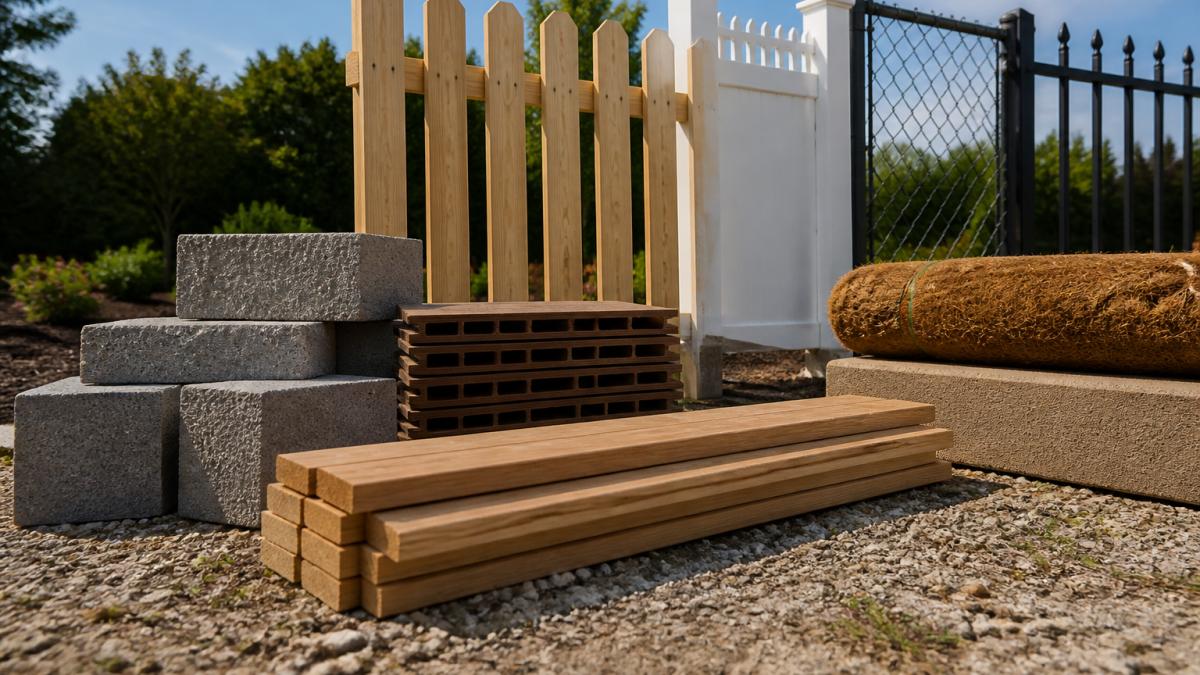
Sustainable materials residential construction, from reclaimed wood and recycled steel to cork, bamboo, and low-VOC insulation, reduce environmental impact while improving long-term property performance. Durability and material quality directly affect how long structures last and what they cost to maintain over decades.
Choosing sustainable materials addresses resource consumption at the source. Initial cost premiums pay back through reduced energy bills, fewer replacements, and better resale value, practical economics alongside environmental responsibility.
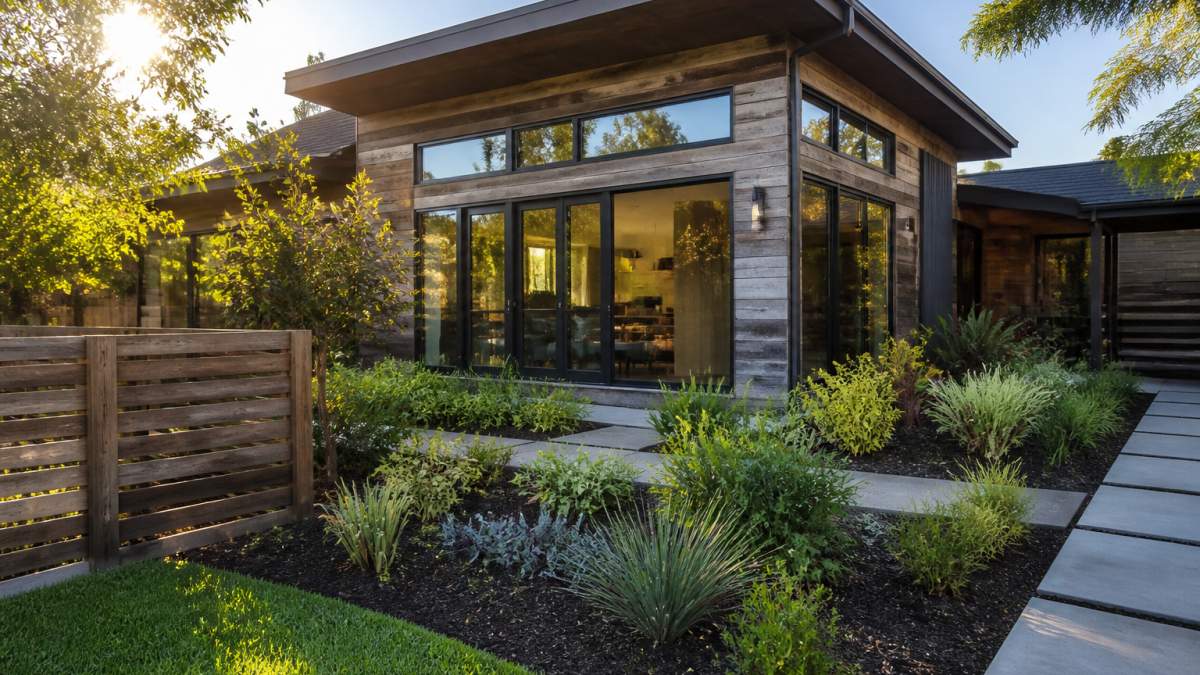
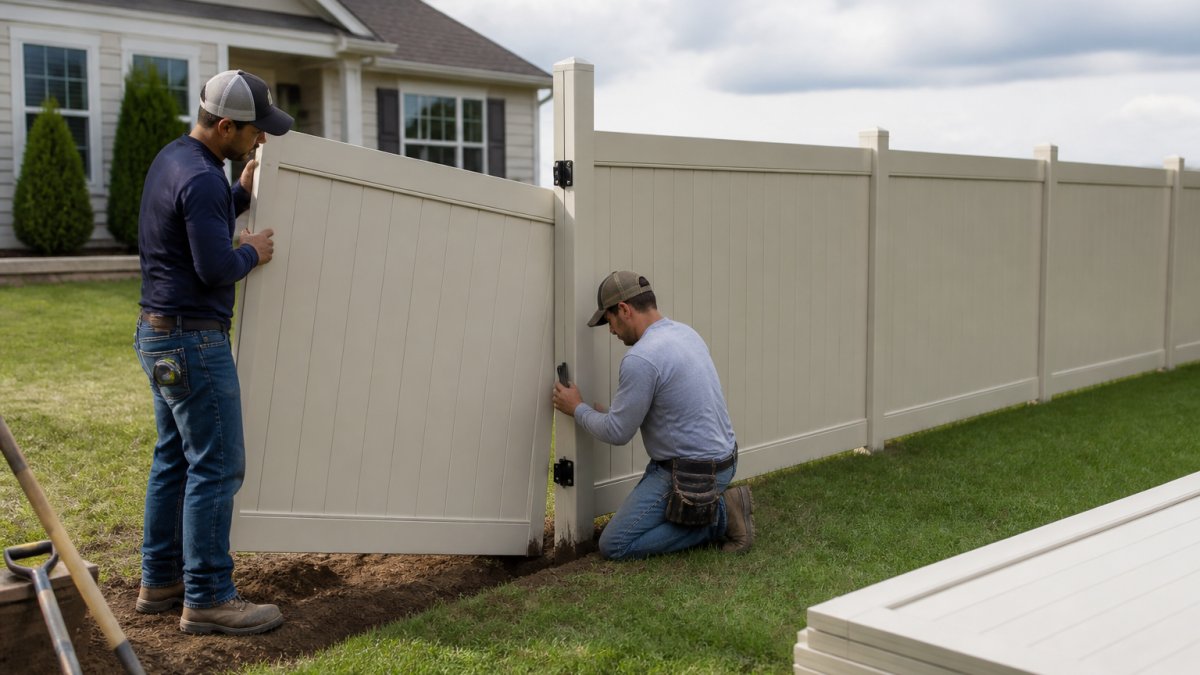
Sustainable materials outlast conventional options by decades. A vinyl fence costs less upfront but requires replacement every 10-15 years; sustainable alternatives last 40-50 years. The real question is whether you can afford to replace cheaper materials repeatedly.
Energy Efficiency and Long-Term Thermal Performance
Sustainable insulation materials like cellulose, sheep's wool, and cork deliver superior thermal mass compared to conventional fiberglass batts, regulating temperature swings naturally and reducing HVAC cycling and energy consumption year-round.
Natural fiber insulation retains its R-value longer because it resists settling and degradation. Conventional insulation loses 20-30% effectiveness within 10 years, particularly in humid climates.
The building envelope determines how hard heating and cooling systems must work. Sustainable materials with high thermal mass and low thermal bridging create superior envelope performance, translating into measurable energy consumption reductions that compound over decades.
Cost-Benefit Analysis of Green Building Materials
Cost-benefit analysis requires comparing total cost of ownership over 30-50 years, not just purchase price. Sustainable materials' 10-40% initial premium becomes irrelevant when factoring in replacement cycles, maintenance labor, and energy consumption.
Durability-Based Payback: The Foundation of ROI
Conventional fiberglass batts cost $0.50-$0.75 per square foot but lose 15-25% R-value effectiveness within 10-15 years. Sustainable alternatives like sheep's wool cost $1.00-$1.50 per square foot but maintain R-value for the building's lifetime.
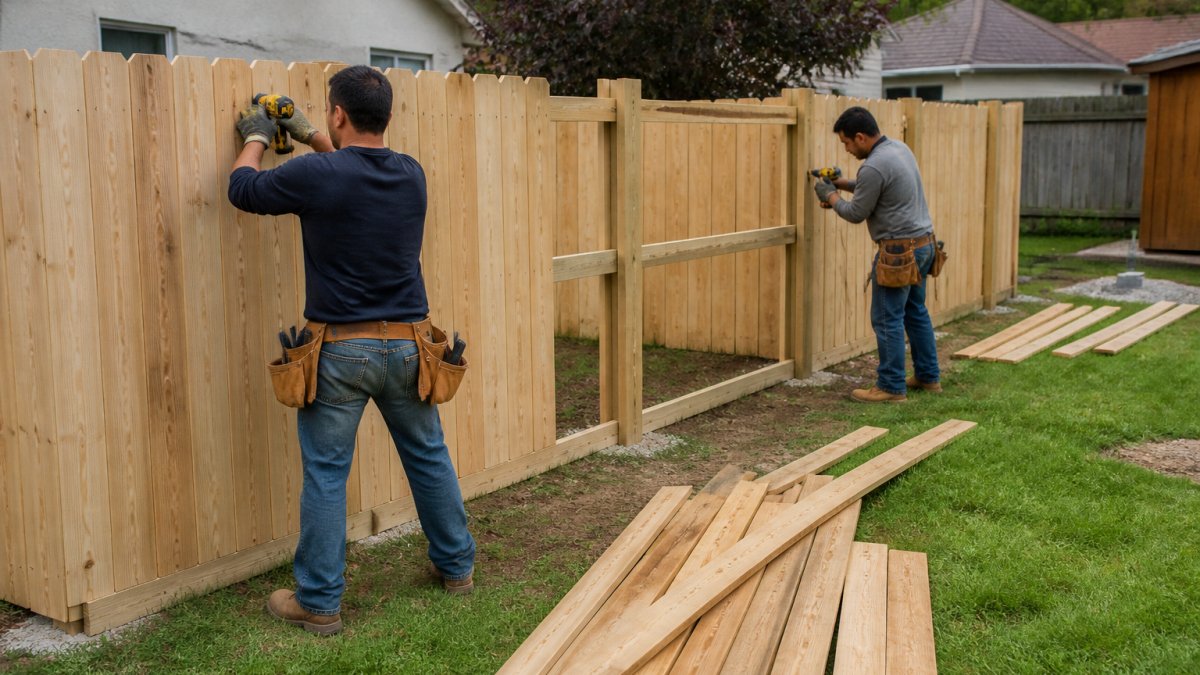
A pressure-treated wood fence costs $15-$25 per linear foot but requires replacement every 15-20 years. Sustainably sourced cedar or composite materials cost $25-$40 per linear foot but last 40-50 years.
Energy Efficiency Compounding
Homes with conventional insulation consume 15-20% more energy annually than those with high-performance sustainable materials. At $1,200-$1,800 annual heating/cooling costs, this represents $180-$360 in annual savings, or $5,400-$10,800 over 30 years from insulation alone.
Premium sustainable insulation pays back in 5-12 years; thereafter, energy savings represent pure financial benefit for homeowners planning 20+ year occupancy.
Maintenance Cost Elimination
Sustainable materials demand minimal maintenance. Natural wood siding requires only occasional cleaning; conventional vinyl requires pressure washing every 2-3 years and accumulated $500-$1,500 in maintenance labor over 20 years.
Property Value and Marketability
Homes built to LEED or Energy Star standards command 3-5% price premiums, reflecting lower operating costs and buyer preference for healthier, more durable homes (Better Resale Value). Sustainable material specifications justify higher asking prices and accelerate sale timelines.
Calculating Your Personal ROI
To evaluate sustainable materials, gather: initial cost, expected lifespan, annual maintenance costs, annual energy consumption differences, and local utility rates. Multiply annual energy savings by years of occupancy, add avoided maintenance costs, subtract the initial premium, and divide by years of occupancy.
Impact of Green Materials on Indoor Air Quality
Conventional building materials often contain volatile organic compounds (VOCs) that degrade air quality for months or years. Sustainable materials manufactured without toxic adhesives, solvents, or flame retardants maintain cleaner indoor air.
Natural materials like untreated wood, cork, and wool emit minimal VOCs and meet strict emission standards verified through third-party testing. Poor indoor air quality correlates with respiratory issues, allergies, and reduced cognitive performance.
Environmental Impact and Carbon Footprint Reduction
The carbon footprint of residential construction spans material production, transportation, installation, and end-of-life disposal. Sustainable materials reduce emissions at every stage, but the magnitude of reduction depends heavily on sourcing practices and transportation distance, factors that marketing claims often obscure.
Embodied Carbon: The Hidden Emissions in Your Materials
Embodied carbon represents the greenhouse gas emissions locked into building materials from extraction through manufacturing and delivery to your site.
However, embodied carbon varies dramatically by material source.
The Transportation Emissions Factor
Transportation distance is often the largest variable in embodied carbon calculations that manufacturers downplay. A ton of building material transported 1,000 miles by truck generates approximately 0.1-0.15 metric tons of CO2 equivalent.
Regional sourcing of sustainable materials provides a competitive advantage competitors rarely discuss. Reclaimed wood salvaged from local demolition projects carries minimal transportation emissions and supports local circular economy practices.
Life Cycle Assessment: Verifying Environmental Claims
Life cycle assessment (LCA) quantifies environmental impact across a material's entire existence, extraction, manufacturing, transportation, installation, use phase, and end-of-life.
When manufacturers claim sustainability without providing LCA documentation, they're relying on greenwashing, marketing language that implies environmental benefits without substantiating them.
The Circular Economy Model
Sustainable materials embedded in circular economy principles mean end-of-life disposal becomes a resource recovery opportunity rather than a waste problem. Recycled content materials return to manufacturing cycles indefinitely without quality degradation.
This fundamental difference in lifecycle approach defines whether construction contributes to or detracts from environmental health.
Calculating Your Project's Carbon Footprint
To evaluate environmental impact of material choices for your specific project, request embodied carbon data from suppliers in metric tons of CO2 equivalent per unit.
Energy-Efficient Residential Construction Standards and Compliance
Building codes and energy efficiency standards have tightened substantially over the past decade. Modern residential construction must meet minimum energy performance requirements that effectively mandate sustainable material choices. LEED certification, BREEAM standards, and Energy Star guidelines all require sustainable material specifications to achieve compliance.
These standards aren't optional guidelines, they're regulatory requirements in most jurisdictions. A home built to current code automatically incorporates many sustainable material specifications. However, exceeding minimum code requirements delivers measurable performance and financial benefits that standard compliance alone doesn't provide.
Green building standards create accountability through third-party verification. Certified sustainable materials come with documentation proving environmental claims. This verification prevents greenwashing, where manufacturers market ordinary materials as sustainable without supporting evidence. When you specify certified sustainable materials, you're purchasing verified performance, not marketing language.
Durability, Maintenance, and End-of-Life Value
Durability defines true sustainability. A material that lasts 50 years requires replacement far less frequently than one lasting 15 years, regardless of environmental claims. Sustainable materials typically exhibit superior durability because they're manufactured from inherently stable substances without chemical degradation mechanisms built in.
Maintenance requirements directly impact lifecycle costs and environmental impact. Sustainable materials generally demand less maintenance. Reclaimed wood weathers gracefully without chemical treatments. Natural fiber insulation resists moisture damage without fungicide coatings. Cork flooring requires minimal maintenance compared to conventional alternatives. Lower maintenance means fewer chemical applications, reduced resource consumption, and extended service life.
End-of-life value represents an often-overlooked financial benefit. Sustainable materials retain value and utility at end of life. Reclaimed wood becomes valuable for new projects. Recycled metals return to manufacturing streams at commodity prices. Natural materials biodegrade without environmental consequence. Conventional materials frequently require costly disposal and generate zero residual value.
Conclusion
Sustainable materials residential construction delivers measurable benefits across energy efficiency, cost-benefit performance, indoor air quality, and environmental impact. The initial cost premium disappears when you calculate total cost of ownership over the building's lifetime. Energy efficiency improvements compound over decades. Durability and reduced maintenance requirements accumulate financial advantage continuously.
The decision to use sustainable materials represents a shift from short-term cost minimization toward long-term value creation. Homes built with these materials perform better, cost less to operate, support occupant health, and maintain value over time. For homeowners planning to occupy a property for 20+ years, sustainable material choices become economically rational independent of environmental considerations.
At Fence Company Lincoln, we recognize that material quality and durability matter equally in residential projects. Our family-owned business brings over 30 years of experience selecting and installing materials built to last. Whether you're planning new construction or upgrading existing structures, our team manages every project from design through completion without subcontractors, ensuring the quality and attention your property deserves. Learn more about sustainable building practices from the U.S. Green Building Council to explore certification programs that support long-term value.
Frequently Asked Questions
What are the primary benefits of using sustainable materials in home building?
Sustainable materials in residential construction deliver multiple benefits: lower energy consumption through superior insulation, reduced VOC emissions for healthier indoor air, longer structural durability requiring less frequent replacement, and measurable carbon footprint reduction over the building's lifetime. These materials also align with LEED and BREEAM standards, potentially increasing resale value and qualifying homeowners for energy tax credits and rebates.
Are sustainable building materials more expensive than traditional options?
Initial costs for sustainable materials are often higher, but a comprehensive cost-benefit analysis reveals long-term savings. Energy-efficient insulation, for example, reduces heating and cooling costs by 15-30% annually. Over 20-30 years, these operational savings typically offset the higher upfront investment. Additionally, durability improvements mean fewer repairs and replacements, further improving the overall financial picture.
How do eco-friendly materials contribute to energy efficiency in homes?
Sustainable materials improve thermal insulation, reducing the workload on HVAC systems. Recycled cellulose insulation, cork, and wool provide superior R-values compared to fiberglass. Low-emissivity windows minimize heat transfer. Thermal mass materials like reclaimed brick and stone stabilize interior temperatures naturally. These combined improvements lower energy consumption, reduce greenhouse gas emissions from utilities, and create more stable indoor temperatures year-round.
Do sustainable materials require specialized contractors for installation?
Most sustainable materials don't require specialized training, but proper installation is critical to realize their performance benefits. Experienced contractors understand thermal envelope principles, moisture management, and correct material sequencing. Working with professionals familiar with green building standards ensures your investment delivers the promised energy efficiency, durability, and indoor environmental quality benefits.