 ultimate-guide
Benefits of Hiring Non-Subcontractor Fence Companies
Table of Contents
- What Non-Subcontractor Fence Companies Actually Do
- Direct Accountability and Workmanship Responsibility
- Insurance, Licensing, and Liability Protection
- Fence Installation Quality Control and Site Management
- Time Savings and Reliable Project Completion
- Key Questions to Ask Fence Contractors About Their Labor
- Comparing Estimates and Contract Details
- Frequently Asked Questions
Last Updated: October 11, 2026
What Non-Subcontractor Fence Companies Actually Do
When you hire a fence contractor, you're making a decision about who controls your project. A non-subcontractor fence company is a business that performs all installation and repair work directly with its own employees and crews, rather than farming portions of the job to outside contractors. This distinction matters more than most homeowners realize.
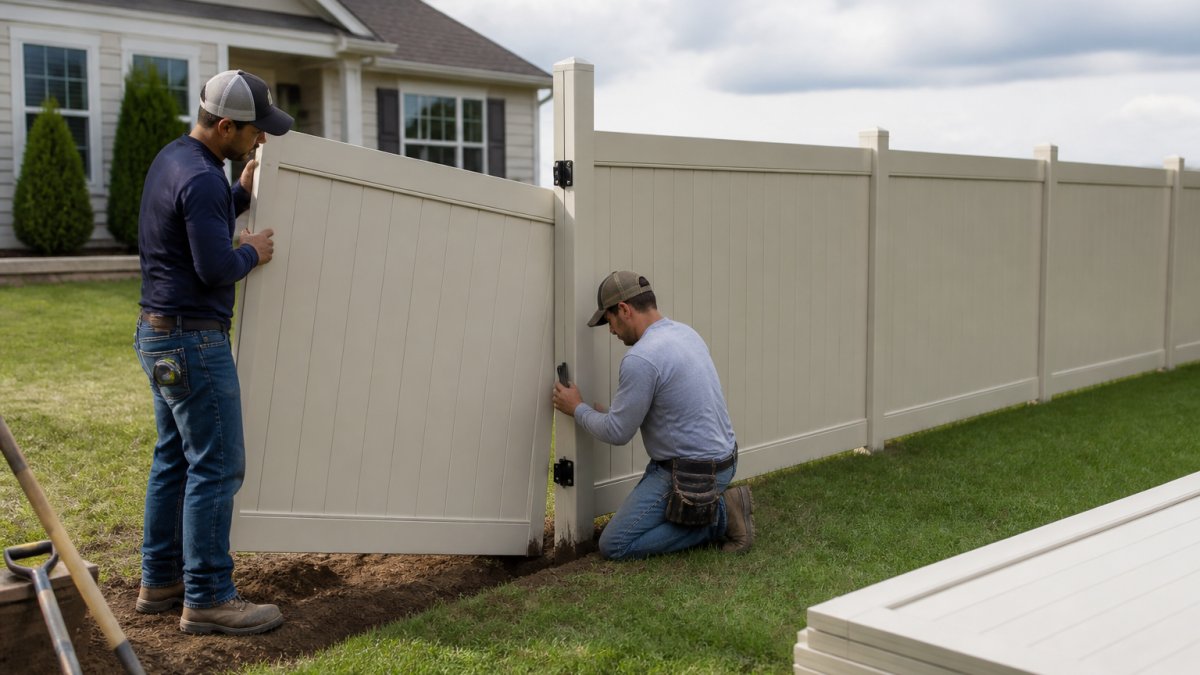
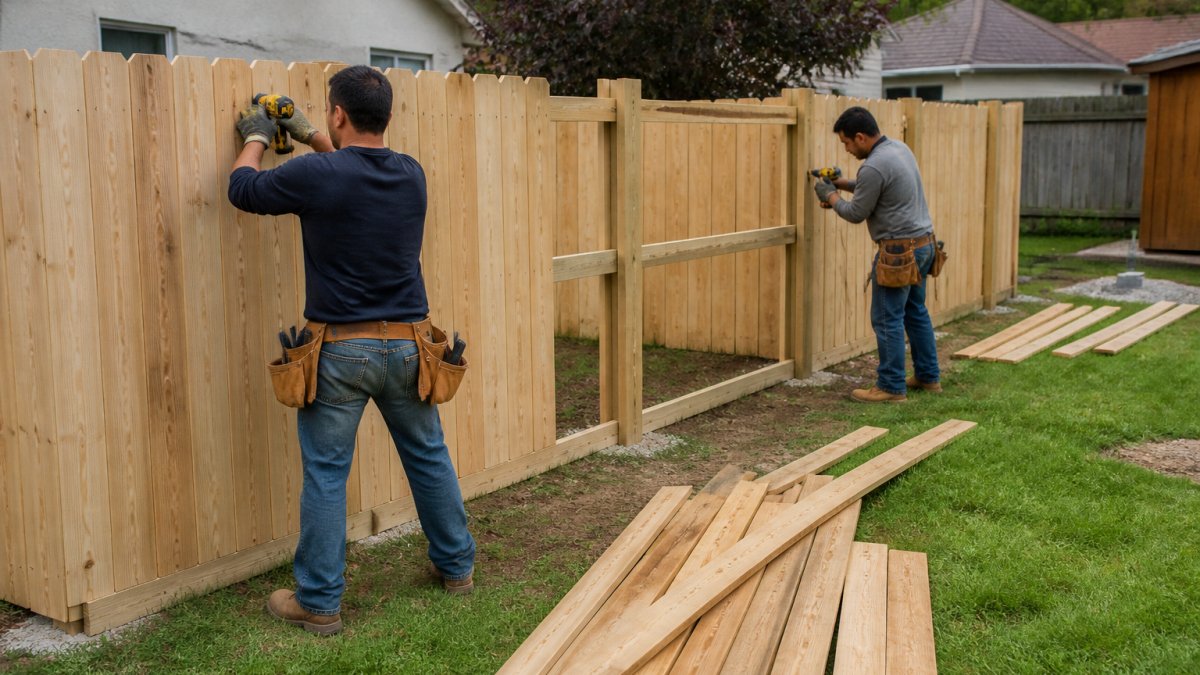
At Fence Company Lincoln, we manage every aspect of your fence project from initial consultation through final inspection using our own team. That means the same crew that measures your property, discusses design options, and plans the installation is the same crew that shows up on day one and sees the project through to completion. No handoffs between different companies. No confusion about who's responsible when something doesn't go right.
The difference between hiring a company that subcontracts and one that doesn't is fundamental. When a general contractor brings in subcontractors for fence work, they're managing multiple teams with different standards, schedules, and accountability structures. Your project becomes one of many jobs those subcontractors juggle. When you hire a non-subcontractor operation, your fence is the priority of the people doing the work.
Direct Accountability and Workmanship Responsibility
This is where the real value of non-subcontractor fence companies emerges. When something goes wrong, a post isn't set deep enough, materials aren't installed to spec, or the gate sags within a year, you know exactly who's responsible.
With subcontracted work, accountability fragments. The general contractor blames the subcontractor. The subcontractor blames the general contractor for unclear specifications. Meanwhile, you're stuck in the middle with a fence that doesn't meet your expectations and no clear path to a fix. Many homeowners discover this problem only after paying in full and realizing the work quality doesn't match what was promised.
A non-subcontractor fence company absorbs all responsibility for the final product. If there's an issue with workmanship, the same company that installed it is the one fixing it. There's no finger-pointing, no bureaucratic delays, and no excuses about "that's not our subcontractor's fault." The company's reputation depends entirely on the quality of work its own crews deliver. That creates a direct incentive to get every detail right the first time.
This accountability extends to warranty coverage. When a non-subcontractor company guarantees its work, that guarantee is backed by the company itself, not a third party. You're not dealing with a warranty that only applies if the subcontractor agrees to honor it. The company that installed your fence stands behind every installation it performs.
Insurance, Licensing, and Liability Protection
Hiring a licensed, insured, and bonded fence company protects you in ways that subcontracted work often doesn't. Understanding these three elements is critical when evaluating any fence contractor.
Licensing means the company has met state and local requirements to operate as a contractor. These requirements vary by jurisdiction, but they typically include proof of business registration, tax compliance, and sometimes demonstrated knowledge of building codes.
Insurance protects both you and the contractor. General liability insurance covers accidents on your property during installation. Workers' compensation insurance covers injuries to the contractor's employees. When you hire a non-subcontractor company, you're dealing with one insurance policy and one entity responsible for claims.
Bonding means the company has posted a financial guarantee that it will complete work as contracted. If a bonded contractor fails to finish the job or deliver what was promised, you can file a claim against the bond to recover your money. This protects you against abandonment and breach of contract.
A common mistake homeowners make is asking for proof of insurance without verifying it's current. Insurance lapses happen. A company might have been insured last year but not today. Request current certificates of insurance. Verify the coverage limits are adequate for residential fence work.
Non-subcontractor companies typically carry higher insurance costs because they're insuring their own crews directly. That's a cost they absorb, not something they pass to subcontractors as a separate line item. This is one reason non-subcontractor fence companies sometimes quote higher than operations that rely heavily on subcontractors, they're carrying more direct liability.
Fence Installation Quality Control and Site Management
Professional installation quality depends on consistent oversight and accountability. Non-subcontractor fence companies maintain direct control over every phase of the installation process.
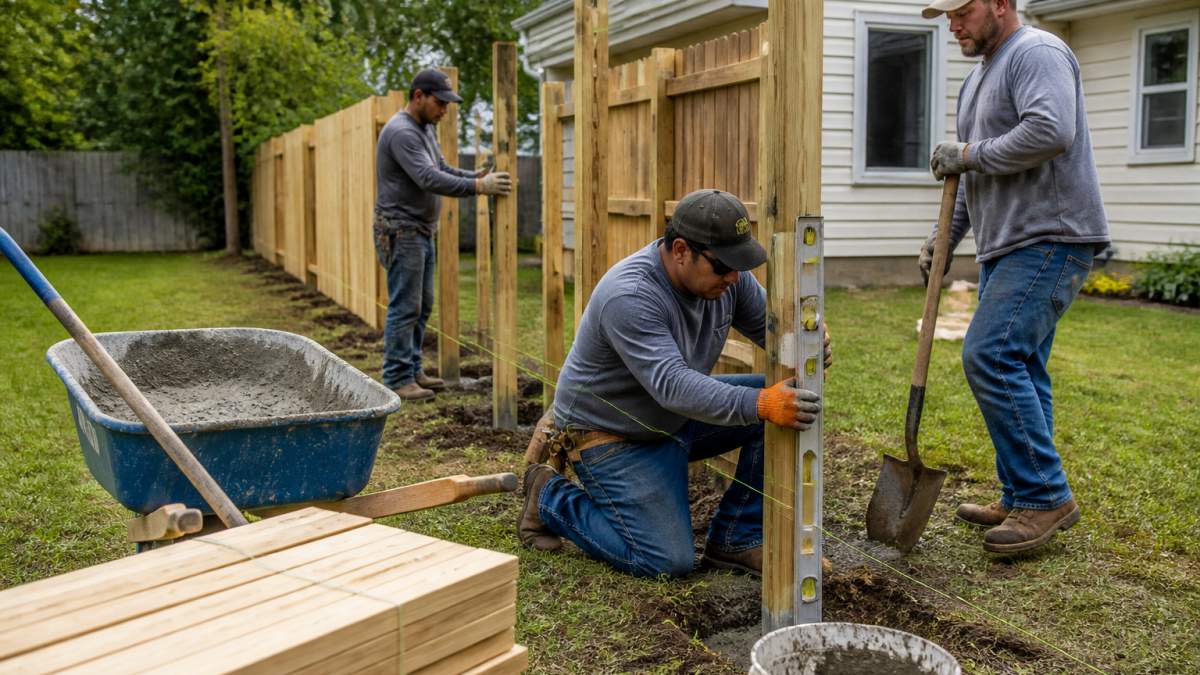
When a single company's employees perform all work, quality control is built into the workflow. The crew lead answers to the company management. The company's owner or project manager can visit the site any day and inspect work in progress.
Site management practices differ significantly between subcontracted and direct-labor operations. A non-subcontractor company controls the schedule, the crew size, the equipment on site, and the daily workflow. This consistency reduces errors that come from miscommunication between separate teams. Your property remains secure because one company is responsible for site safety and cleanup throughout the project.
Post depth is one of the most common installation mistakes homeowners worry about, and rightfully so. Posts that aren't buried deep enough will shift, lean, or rot at the base within a few years. A non-subcontractor company has a reputation to protect with every post it sets.
Quality control also means material handling and storage. How materials are stored on your property, how they're protected from weather, and how waste is managed, these details matter. A non-subcontractor company manages these practices consistently because they're part of the company's standard operating procedures, not something delegated to whoever the subcontractor sends.
Time Savings and Reliable Project Completion
One of the clearest advantages of hiring a non-subcontractor fence company is predictability. When you know the same crew is handling your project from start to finish, you can count on a realistic timeline.
Subcontracted work introduces scheduling complexity. The general contractor coordinates with multiple subcontractors, each with their own schedules and availability. A delay with one subcontractor cascades to the next. Your fence project gets bumped when a subcontractor has a more urgent job elsewhere. What was supposed to take two weeks stretches into four.
A non-subcontractor company commits its own crews to your project. Those crews aren't juggling multiple clients' jobs simultaneously. The company has an incentive to complete your fence efficiently because those crew members move on to the next job after yours is done. There's no benefit to dragging out the timeline.
For property managers overseeing multiple rental homes or commercial properties, this reliability is essential. You need to coordinate maintenance and improvements across several sites. A non-subcontractor company that can handle multiple projects with its own crews can work around your schedule and property constraints. You're not waiting for a subcontractor to squeeze you in between other jobs.
Project completion also means final inspection and cleanup. A non-subcontractor company's crew stays on site until the job is genuinely finished, not just structurally complete, but cleaned up and ready for you to use. This is part of their accountability structure. Subcontractors often hand off the job and move on, leaving final cleanup to the general contractor, who may not prioritize it the same way.
Key Questions to Ask Fence Contractors About Their Labor
Before hiring any fence contractor, ask these specific questions to understand their labor model and verify accountability.
Do you perform all installation work with your own employees, or do you subcontract portions of the job? This is the foundational question. Get a clear answer. If they subcontract, ask which specific tasks, foundation work, material installation, finishing, cleanup, are handled by subcontractors. Others subcontract the core fence installation.
How long have your crews been with your company? Crew stability indicates training and consistency. A crew that's been together for years understands the company's standards and works efficiently. High turnover suggests training gaps and inconsistent quality.
What happens if there's a workmanship issue after the job is complete? Get this in writing. Does the company return to fix problems at no cost? For how long is the company responsible for warranty claims? A strong answer is "If there's an issue, we fix it at no cost to you."
Are you licensed, insured, and bonded? Ask for proof. Request current certificates of insurance. Verify the license is active with your state or local licensing board. Confirm the bond amount is adequate for your project size.
Can you provide references from recent projects similar to mine? Call those references. Ask specifically about whether the same crew showed up throughout the project, whether the timeline was met, and whether any quality issues arose.
What's your process for handling permit requirements? Some jurisdictions require fence permits. Does the contractor handle permits, or do you? Understanding this upfront prevents surprises.
Comparing Estimates and Contract Details
When you receive estimates from multiple fence contractors, comparing them requires understanding what's actually included. This is where the non-subcontractor advantage becomes concrete.
A thorough estimate should specify materials, labor, timeline, warranty, and cleanup. It should name the specific fence type, material grade, post depth, and any special features like gates or decorative elements.
When comparing estimates, watch for vagueness. An estimate that says "fence installation labor" without specifying post depth, material handling, or site cleanup is incomplete. That's often how contractors hide that they're using cheaper subcontractors, the estimate is deliberately vague so they can cut corners later.
A non-subcontractor company's estimate typically includes more detail because the company is committing its own resources. The crew lead who'll supervise your project has input into the estimate. The company knows exactly what its own labor costs, so estimates are more precise.
Contract details matter as much as the estimate. The contract should specify who's responsible for obtaining permits, what warranty the contractor provides, what happens if the project timeline changes, and how disputes are resolved.
Payment terms deserve attention. A reasonable structure is a deposit to secure the project, progress payments as work advances, and a final payment upon completion. Be cautious of contractors asking for full payment upfront or demanding large deposits.
If a contractor's estimate is significantly lower than others, ask why. Sometimes it's because they're using cheaper materials or cutting corners on labor. Sometimes it's because they're subcontracting to lower-cost operations. Understanding the reason helps you make an informed decision.
Choosing a fence contractor is one of the most important decisions a property owner makes. When you hire us, you know exactly who's responsible for your project, and you get the benefit of over 30 years of experience managing every detail from design to completion. The Better Business Bureau provides guidance on evaluating contractor credentials and the American Fence Association offers standards for professional fence installation.
Frequently Asked Questions
What is the difference between a non-subcontractor fence company and one that uses subcontractors?
A non-subcontractor fence company performs all work directly with its own employees and crew. A subcontracting company hires third-party workers or other firms to complete portions of the project. Non-subcontractor companies maintain direct control over every phase of fence installation, from site preparation through final inspection. This means the company you hire is fully responsible for workmanship quality, timeline adherence, and any corrections needed after completion.
What questions should I ask a fence contractor about their labor and licensing?
Ask whether the company uses its own employees or subcontractors for all work. Request proof of current licensing and bonding for your state. Inquire about workers' compensation insurance and general liability coverage. Ask how long the company has been in business and whether the crew performing your work has direct experience with your specific fence type and materials. Request references from recent residential or commercial projects similar to yours. A transparent contractor will provide these details without hesitation and explain their crew structure upfront.
How does insurance and liability work with a non-subcontractor fence company?
A non-subcontractor company carries workers' compensation insurance for its employees and general liability insurance that covers your property during installation. Since the company directly employs the crew, it bears full responsibility for any injuries, property damage, or workmanship failures. This creates a single point of accountability: if something goes wrong, you address the issue with one company, not a chain of contractors. Verify the company is fully licensed, insured, and bonded before signing any contract.
Why does fence installation quality control matter, and how do non-subcontractor companies ensure it?
Quality control directly affects how long your fence lasts and whether posts remain plumb, gates operate smoothly, and materials resist weather damage. Non-subcontractor companies maintain consistent quality because the same crew and supervisor oversee the entire project from start to finish. Subcontracting introduces variables: different crews may have different standards, communication gaps occur between layers of contractors, and accountability becomes unclear if problems emerge. Direct employment means the company's reputation depends on every detail of your installation.