 comparison
JM Fencing vs SW Fence: Which Option Wins in 2026?
Table of Contents
- JM Fencing vs SW Fence: Quick Comparison for 2026
- Fence Installation Cost: How to Compare JM Fencing and SW Fence Quotes
- Fence Contractor Comparison Checklist: What to Verify With JM Fencing and SW Fence
- Fence Installation Timeline: What to Expect From JM Fencing and SW Fence
- Questions to Ask a Fence Contractor Before Choosing JM Fencing or SW Fence
- Where JM Fencing and SW Fence Fit Different Project Types
- Conclusion: Making the Right Call for Your Property
- Frequently Asked Questions
Last Updated: October 6, 2026
JM Fencing vs SW Fence: Quick Comparison for 2026
Here is what most comparison articles get wrong: they rank contractors by star ratings alone. Reviews matter, but a five-star rating on a small sample tells you less than a written quote that itemizes post depth, concrete, and gate hardware.
Below, we break down cost comparison, a contractor comparison checklist, and installation timelines so you can evaluate both names on equal footing.
| Evaluation Factor | What to Check With JM Fencing | What to Check With SW Fence |
|---|---|---|
| Quote detail | Line items for materials and labor | Line items for materials and labor |
| Materials offered | Vinyl, wood, chain link, iron | Confirm on-site, not by phone |
| Post depth | Ask for the spec in writing | Ask for the spec in writing |
| Warranty terms | Get the workmanship period in writing | Get the workmanship period in writing |
| Licensing proof | Request license and insurance certificates | Request license and insurance certificates |
Fence Installation Cost: How to Compare JM Fencing and SW Fence Quotes
Fence installation cost is the single hardest number to compare between two contractors, because most quotes bundle materials, labor, and disposal into one figure. The Home Depot fence installation cost guide notes that installation pricing varies by material and project scope, which is exactly why a lump-sum quote tells you so little.
Neither JM Fencing nor SW Fence publishes a standard price list, and that is normal for this trade. What separates a useful quote from a useless one is not the total, it is whether the total is built from the same line items on both sides.
Normalize both quotes to a cost per linear foot
Ask each contractor to quote the same fence in the same material on the same run of property. Then divide their total by the linear feet they measured. That single number exposes differences that a lump sum hides:
- A quote of $4,800 for 160 feet is $30 per linear foot.
- A quote of $4,200 for 140 feet is also $30 per linear foot, but it covers 20 fewer feet, so it is not actually cheaper.
- A quote of $5,600 for 160 feet is $35 per linear foot, and the gap is usually explained by post depth, concrete, gate hardware, or disposal.
When two quotes land at the same per-foot number, the difference is almost always in what is excluded, not in what is charged.
The five line items that decide whether quotes are comparable
When you request a project estimate from either JM Fencing or SW Fence, ask for these five numbers separately:
- Linear feet of fencing, measured on site
- Material grade and manufacturer
- Post depth and concrete specification
A quote that lists all five can be compared line by line. A quote that lists only a total cannot, no matter how detailed the sales conversation was.
What estimates typically include, and what they quietly leave out
A common pattern in this trade is that the headline number covers materials and basic labor, while these items appear only if you ask:
- Old fence removal and haul-away
- Concrete for post footings
- Gate hardware, latches, and self-closing hinges
If one contractor includes removal and the other does not, the cheaper quote may cost more once you pay for disposal separately. That is the trap the per-foot method is designed to catch.
How to run the comparison in one sitting
- Give both contractors the same written scope: same linear feet, same material, same gate count.
- Ask each to return the quote with the five line items broken out.
- Convert both to cost per linear foot.
- List every exclusion next to its estimated cost.
- Compare the adjusted totals, not the headline totals.
Our price matching policy exists precisely because we know how confusing this gets. Bring us a written, like-for-like quote and we will work to match it.
Fence Contractor Comparison Checklist: What to Verify With JM Fencing and SW Fence
A fence contractor comparison checklist keeps the decision objective. Ratings and recommendations are useful starting points, but licensing, insurance, and written scope are what protect your property. The FTC guidance on home improvement and contractor claims is clear that you should get promises in writing before work begins.
Run both companies through this list:
- License number provided and verifiable with the state
- Certificate of insurance for general liability
- Workers' compensation coverage confirmed
We are fully licensed, insured, and bonded, and we do not subcontract our work.
Fence Installation Timeline: What to Expect From JM Fencing and SW Fence
A fence installation timeline depends on three things: material availability, permit requirements, and weather. Most residential fencing projects move through the same phases regardless of which contractor you pick. The Lowe's fence buying guide notes that metal panels can last 25 years or more with proper care, which is worth remembering when you weigh a faster install against long-term durability.
| Phase | Typical Duration | What Happens |
|---|---|---|
| Estimate and design | 2-7 days | Site visit, measurements, material selection |
| Permits and approvals | 1-3 weeks | Submission and review, where required |
| Material ordering | 1-2 weeks | Delivery scheduling |
| Installation | 2-5 days | Posts, panels, gates, cleanup |
| Inspection and walkthrough | 1 day | Final review with the property owner |
Ask both JM Fencing and SW Fence for a written schedule with dates, not ranges. A contractor who will not commit to dates in writing is telling you something.
Questions to Ask a Fence Contractor Before Choosing JM Fencing or SW Fence
Questions to ask a fence contractor should cover depth, warranty, and who shows up on site. These three items cause the most disputes after installation. The Fence Depot Co. 2026 guide to popular fence materials points out that vinyl and composite options need less maintenance than some alternatives, so material choice also affects what your warranty should cover.
Put these questions to both companies and compare the answers side by side:
- How deep do you set posts, and do you use concrete?
- What is the workmanship warranty period?
- Will your own crew do the work, or will it be subcontracted?
- How do you handle a gate that sags after installation?
- What happens if a post leans within the first year?
If a contractor dodges the depth question, treat that as your answer.
Where JM Fencing and SW Fence Fit Different Project Types
Project type should drive your choice more than brand familiarity. Residential fencing, commercial fencing, and custom fence work all carry different requirements, and a contractor strong in one may be weaker in another. The Fence Depot Co. guide to fence materials notes that vinyl and composite offer consistent privacy coverage, which matters most for residential privacy projects.
The reason project type matters so much is that fence work is not one trade. A crew that installs 200 feet of chain link a day is doing a different job than a crew setting ornamental aluminum panels on a graded slope. Capacity, tooling, and crew skill do not transfer cleanly between those jobs.
Match the project to the contractor's actual strength
Use this framework, and ask each contractor to name recent jobs in the category you need:
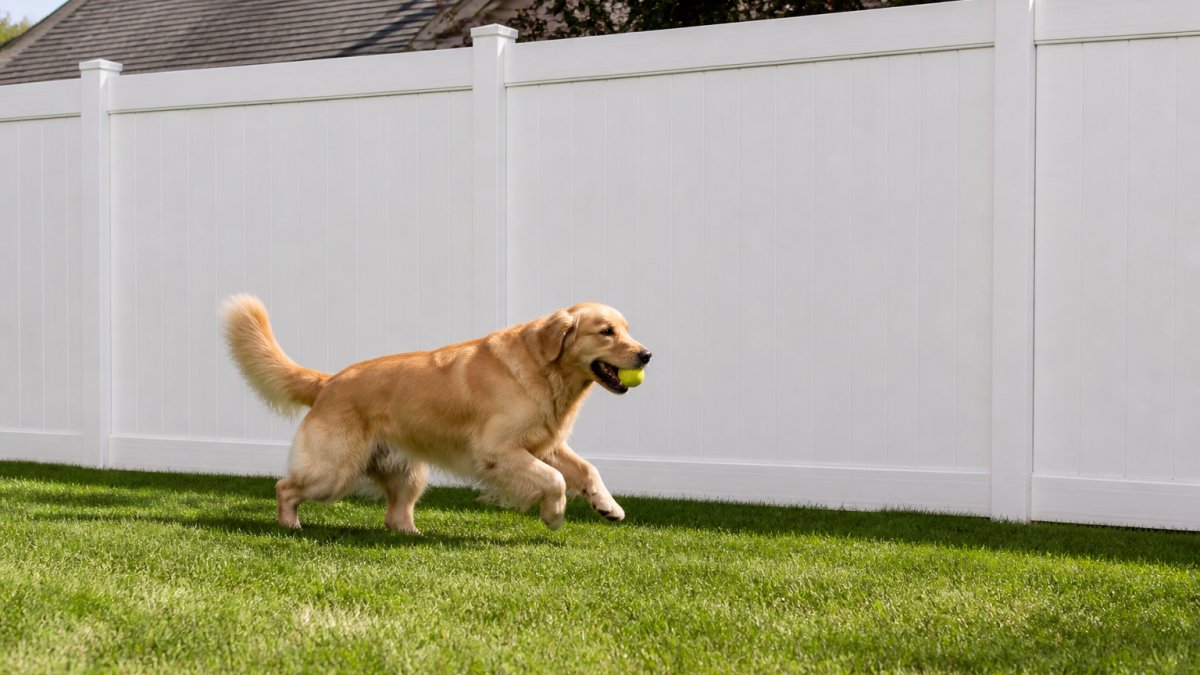
- Pet containment or privacy: prioritize panel integrity, gate latches, and a consistent bottom gap. Ask how they handle grade changes so a small dog cannot slip under a panel.
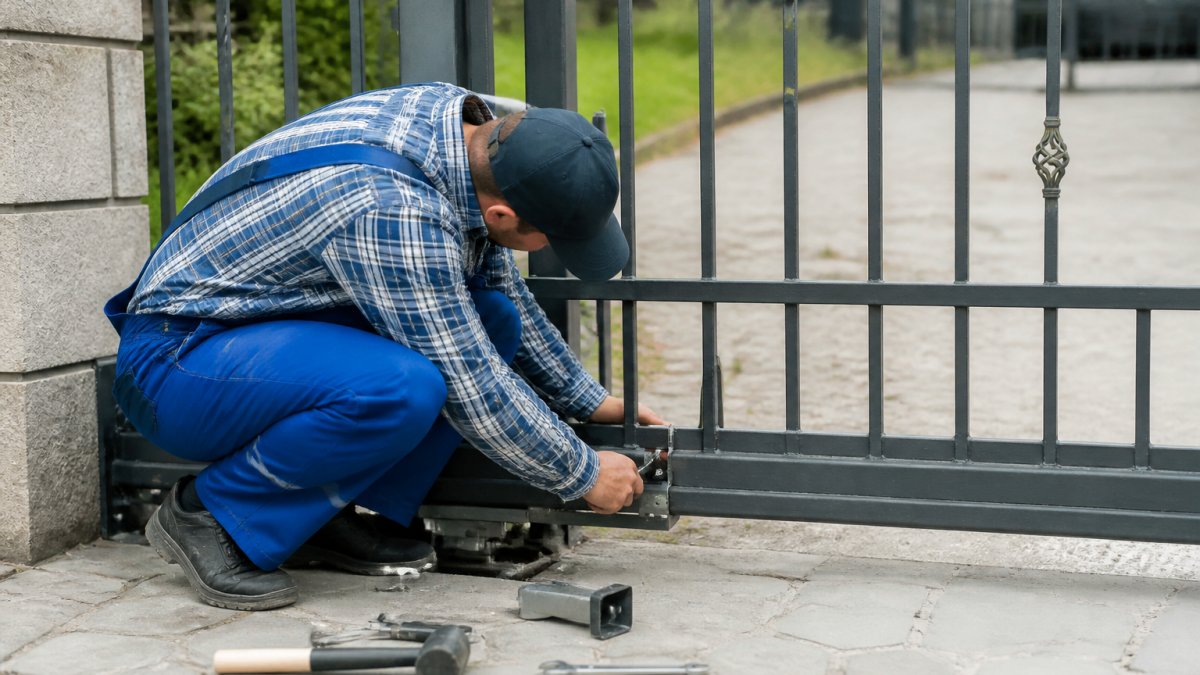
- Commercial security: prioritize durability, sight lines, and access control. Ask about gate operators, bollards, and whether they coordinate with an access-control vendor.
- Custom design work: prioritize a contractor who handles design through completion in-house. Ask to see drawings from a completed custom job, not just photos.
The capacity question that decides multi-site work
Property managers with multiple sites should ask about crew capacity directly. A one-crew operation may not be able to handle three rental properties on a tight schedule, and that is worth knowing before you sign. A useful test: ask how many active jobs the contractor runs at once and how a weather delay on one site affects the others. A contractor with one crew will push your second and third properties back; a contractor with multiple crews can absorb the delay.
Repair work is its own category
Repair is where project type and contractor fit diverge most. A company built around full installations often prices small repairs high on purpose, because a two-hour job still costs a truck roll, a crew, and scheduling overhead. If your project is a leaning post, a sagging gate, or a single damaged panel, ask directly whether the contractor takes repair work and what their minimum charge is.
How to test fit before you commit
Ask both JM Fencing and SW Fence the same three questions for your specific project type:
- How many jobs like mine did you complete in the last 12 months?
- Can I see a completed project in this category, or speak with that customer?
- Who on your crew has done this specific type of work before?
A contractor who can answer all three with specifics is a better fit than one who answers with general experience claims. Project type is not a marketing category, it is a test of whether the crew in front of you has actually done the work you are paying for.
Conclusion: Making the Right Call for Your Property
The real challenge with JM Fencing vs SW Fence options is that public information rarely tells the whole story. Ratings and recommendations help, but the deciding factors are the ones you verify yourself: written scope, post depth, licensing, and a schedule with real dates.
At Fence Company Lincoln, we have handled residential and commercial fencing for over 30 years as a family-owned operation. We do not subcontract, we are fully licensed, insured, and bonded, and we offer a price matching policy against competitors.
Frequently Asked Questions
What should I compare when choosing between JM Fencing and SW Fence?
Compare materials, workmanship, warranties, and project timelines. Ask for written quotes that list fence height, wire spacing, and post depth. Check customer reviews and ratings, and confirm each company is licensed, insured, and bonded. A side-by-side quote review often reveals differences in quote inclusions and installation quality that matter more than the headline price.
How do I compare fence installation quotes from JM Fencing and SW Fence?
Request itemized quotes that separate materials, labor, and permits. Check whether each quote includes post setting, gate hardware, and cleanup. Ask about the fence installation timeline and whether the work is subcontracted. A fence contractor comparison checklist helps you line up each quote against the same criteria so you can spot missing items and compare the true project estimate.
How long does fence installation usually take with JM Fencing or SW Fence?
A typical residential fence installation takes one to three days for standard materials, while custom fence projects or larger commercial fencing jobs can take a week or more. Weather, permit approvals, and material availability affect the fence installation timeline. Ask each contractor for a written schedule and a rain-day plan before you sign.
What questions should I ask a fence contractor before hiring?
Ask about licensing, insurance, and bonding. Request local references and recent customer reviews. Confirm who will perform the work and whether subcontractors are used. Ask how posts are set, what fence height and materials are standard, and what warranties cover workmanship. Also ask how change orders and project estimates are handled in writing.
Which fence material is best for privacy and durability?
Vinyl and composite offer consistent privacy coverage with less maintenance than wood, while metal fence panels can last 25 years or more with proper care. Wood remains popular for custom fence design but needs sealing and rot prevention at the base. For pet containment, choose a material and wire spacing that matches your dog's size and digging habits.