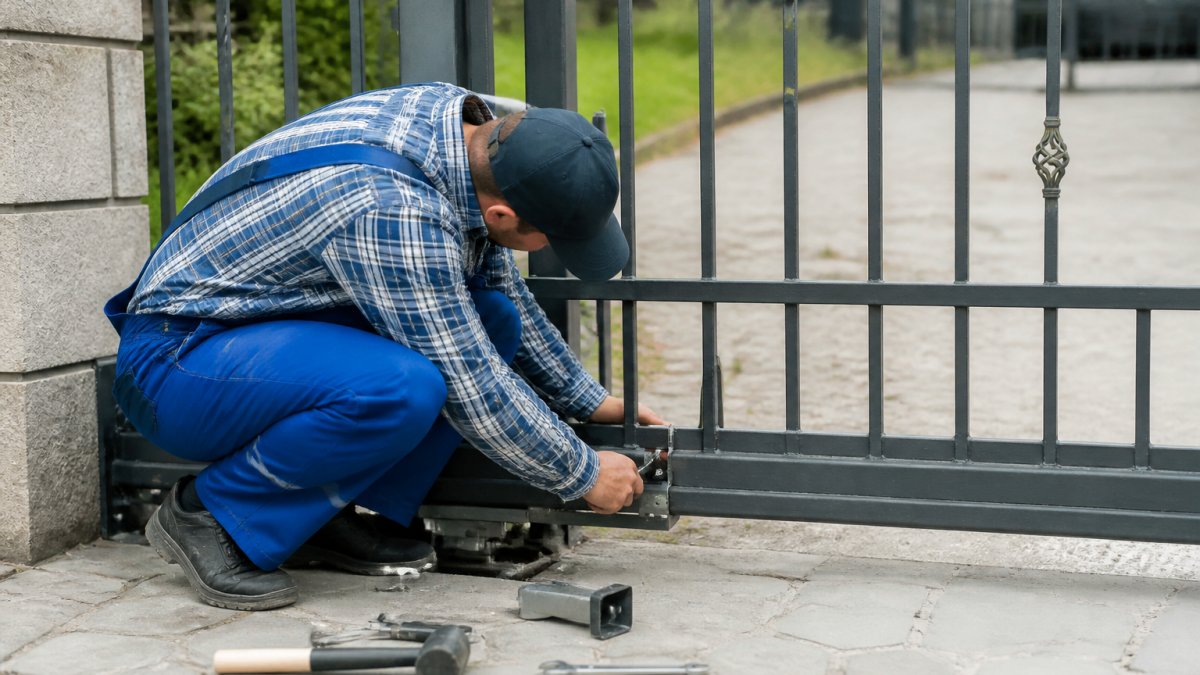
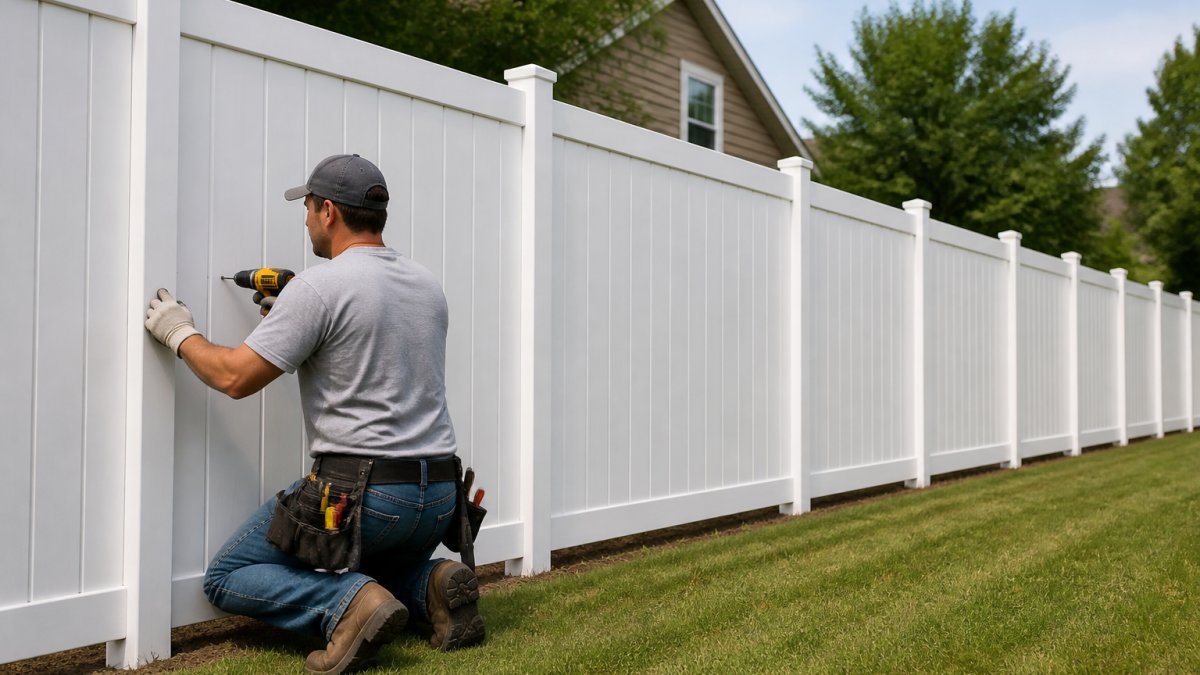
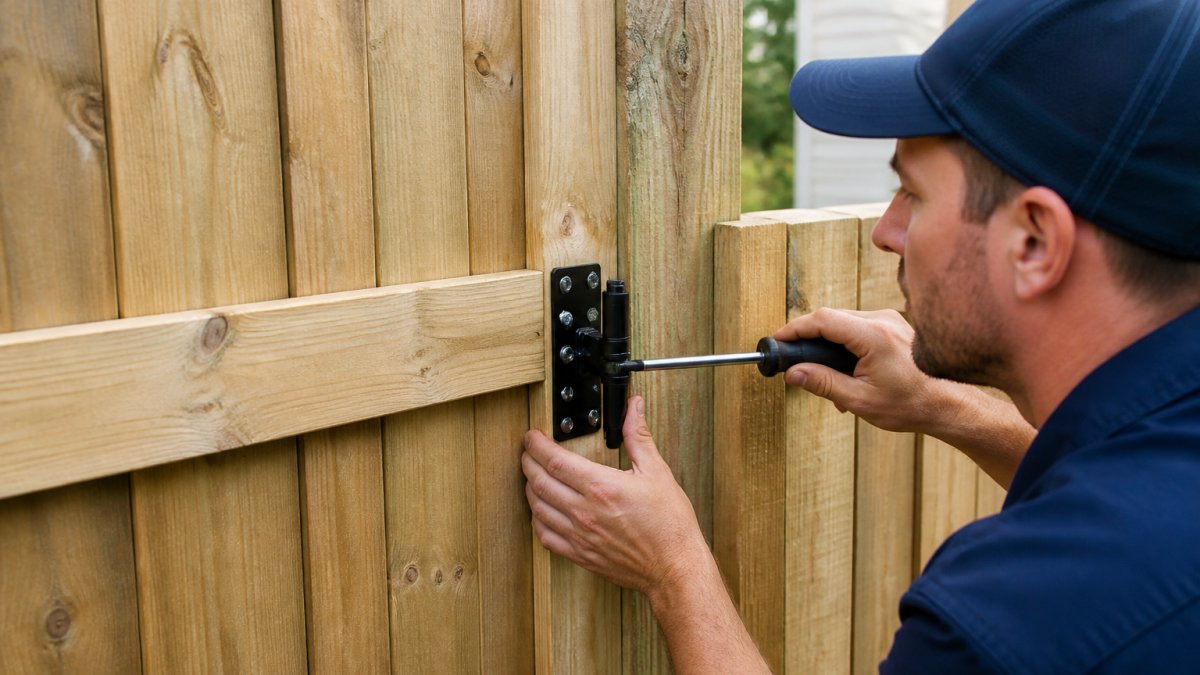
 comparison
Is Professional Gate Adjustment Worth It? A 2026 Review
Table of Contents
- Is Professional Gate Adjustment Worth It? The Verdict
- What a Professional Gate Adjustment Actually Includes
- Gate Adjustment Cost: What Drives the Price
- How to Fix a Sagging Gate Yourself (And When Not To)
- Why Your Gate Won't Close Properly
- Professional Gate Repair vs. Full Replacement
- Conclusion: Making the Call on Your Gate
- Frequently Asked Questions
Last Updated: October 13, 2026
Is Professional Gate Adjustment Worth It? The Verdict
Yes, professional gate adjustment is worth it for most homeowners, especially when the gate is heavy, automated, or already showing structural wear. A sagging gate is rarely just a loose bolt. It usually signals a post that has shifted, a hinge that has pulled free, or a frame that has started to warp, and those problems get worse with every slam.
That is the short answer. The longer answer depends on your gate, your budget, and how much you enjoy spending a Saturday wrestling with hardware.
At Fence Company Lincoln, we have handled gate repairs for more than 30 years. A homeowner tightens a hinge, the gate works for three weeks, then it sags again, lower than before. The reason is simple: the visible symptom is almost never the actual cause.
This review breaks down what a professional gate adjustment includes, what drives the cost, when DIY makes sense, and when you should stop and call someone. Below, we will show you exactly how to tell the difference before you spend a dollar.
What a Professional Gate Adjustment Actually Includes
A professional gate adjustment is a diagnostic and mechanical service, not just a tightening job. The technician identifies why the gate has moved, corrects the underlying cause, and re-aligns the gate so it latches and swings correctly under its own weight.
That distinction matters. Anyone can turn a wrench. The value is in knowing which bolt to turn, and which problem to fix instead.
Tools and Hardware a Pro Brings
A typical service visit involves more than a socket set. Expect the technician to arrive with:
- A post level and a long spirit level to check plumb and square
- Shims and wedges for resetting post position
- Replacement hinges, bolts, and latch hardware in common sizes
- A cordless impact driver and torque-rated fasteners
- Lubricant and rust penetrant for seized hardware
- A dig bar or post puller when a footing needs to be reset
The hardware alone is often the difference. A hinge rated for a lightweight gate will fail on a heavy one, and matching the hardware to the load is where experience shows.
How Long a Professional Adjustment Takes
Most single-gate adjustments take under an hour when the posts are sound and the hardware is accessible. Gates that need a footing reset, a new hinge set, or a frame repair can take several hours or require a return visit.
Gate Adjustment Cost: What Drives the Price
Gate adjustment cost depends on labor time, hardware, and whether the gate needs structural work. There is no single flat rate, because a five-minute hinge tighten and a full post reset are not the same job.
The factors that move the number most:
- Gate weight and material. A light chain link gate is quick to handle. A solid wood or iron gate takes more labor and heavier hardware.
- Number of gates. Property managers with several gates usually get better per-gate pricing on one visit.
- Access and site conditions. A gate that opens onto a slope or sits over a buried footing takes longer.
- Hardware replacement. New hinges, latches, and rollers are a material cost on top of labor.
- Automation. If an opener needs realignment or a new arm, that adds time.
We do not publish flat pricing because quoting a gate we have not seen would be guesswork. We give a written estimate after we look at the gate, and we offer a price matching policy against competitors.
U.S. Consumer Financial Protection Bureau guide to comparing service estimates
How to Fix a Sagging Gate Yourself (And When Not To)
You can fix a mildly sagging gate yourself if the posts are solid and the hardware is intact. Tighten the hinge bolts, check the diagonal brace, and adjust the latch striker. If the post moves when you push on it, stop, because that is a footing problem and no amount of tightening will hold.
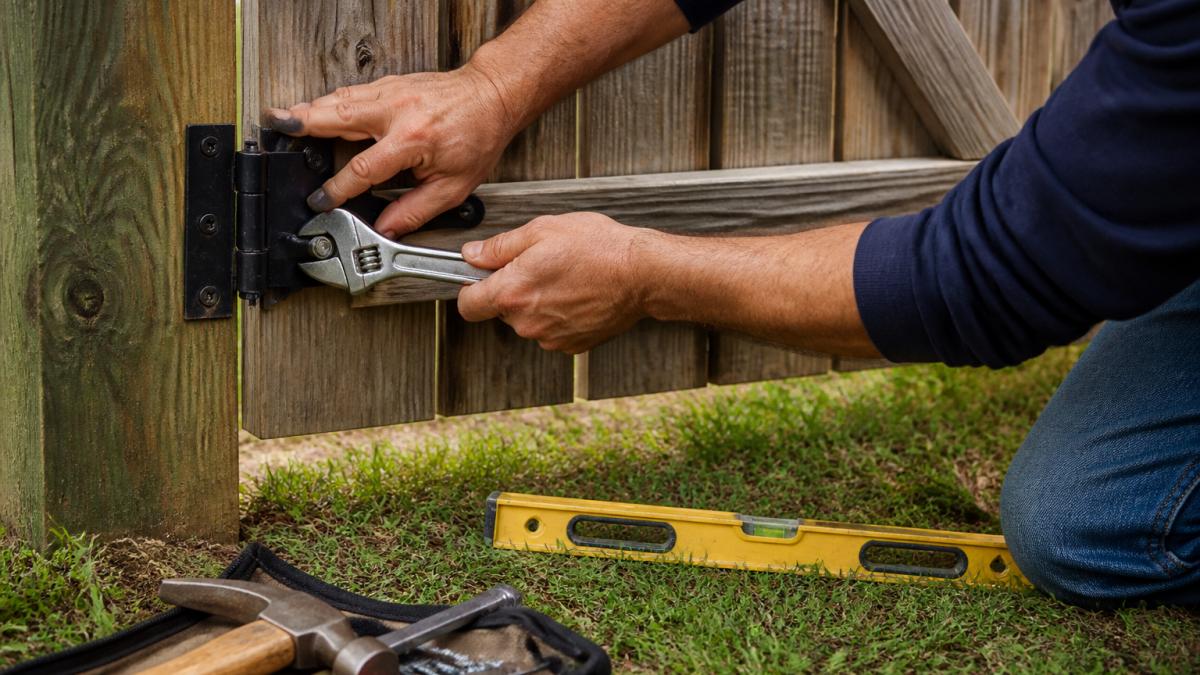
Step-by-Step DIY Gate Adjustment
Here is how we would approach a light sag on a wood or chain link gate.
- Check the posts first. Push each post side to side. Any movement means the footing has failed and DIY is off the table.
- Lubricate the hinges. Apply penetrant and work the gate back and forth to free seized hardware.
- Tighten the hinge bolts. Snug them, do not crank them. Over-tightening crushes wood and strips threads.
- Check the diagonal brace. On a wood gate, a loose brace is often the real cause of sag.
- Adjust the latch striker. Move it to meet the gate rather than forcing the gate to meet it.
- Test the swing. The gate should open and close with one hand and latch without lifting.
Why Your Gate Won't Close Properly
A gate won't close properly because of one of four causes: a shifted post, worn or loose hinges, a swollen or warped gate leaf, or a misaligned latch and striker. Each one has a different fix, and treating the wrong one wastes time.
The fastest way to narrow it down is to watch the gate as it swings. If the bottom corner drags on the ground, the post has likely leaned. If the gate rubs at the top, the hinge has worn and dropped the leaf. If the gate meets the post but will not latch, the striker has simply moved.
Weather plays a role too. Wood swells in humid months and shrinks in dry ones, which is why a gate that sticks in spring may swing freely by fall. Vinyl and metal gates move less, but their hardware still loosens over time.
Professional Gate Repair vs. Full Replacement
Professional gate repair is almost always cheaper than replacement, and it is the right call when the posts and frame are sound. Replacement makes sense when the gate is structurally compromised, when the material has rotted through, or when repair costs approach the price of a new gate.
Use this to decide:
| Situation | Best Option | Why |
|---|---|---|
| Sagging gate, solid posts | Professional adjustment | Fast, low cost, restores function |
| Loose or worn hinges | Hinge replacement | Hardware is the failure point |
| Leaning post, sound gate | Post reset | Saves the gate and the frame |
| Rotted wood at the base | Partial rebuild or replacement | Rot spreads and weakens the frame |
| Warped metal frame | Replacement | Bent frames rarely straighten reliably |
| Automated gate out of alignment | Adjustment plus opener service | Protects the motor from strain |
If your gate is over 15 years old, ask the technician for an honest read on remaining life before you invest in repair. Sometimes the repair is the smart money. Sometimes it is throwing good money after bad.
Conclusion: Making the Call on Your Gate
The honest answer to whether professional gate adjustment is worth it comes down to cause. If the problem is loose hardware, DIY can work. If the problem is the post, the footing, or the frame, professional gate adjustment is the cheaper path because it fixes the actual failure instead of the symptom.
That is the work we do every day. Fence Company Lincoln is family owned and operated, we never subcontract, and we have more than 30 years in the trade. We are fully licensed, insured, and bonded, and we back our work with a written estimate and a price match on comparable jobs.
Send us a photo of your gate and we will provide an honest assessment of whether it needs an adjustment or a replacement.
Frequently Asked Questions
How much does professional gate adjustment cost?
Gate adjustment cost varies based on the gate material, the extent of the sag, and whether hardware needs replacing. Most professionals charge a service call fee plus labor, with simple adjustments costing less than complex repairs involving new hinges or posts. Because pricing depends on the specific issue and site conditions, request a written estimate before work begins so you know exactly what the adjustment covers.
Can I adjust a sagging gate myself?
You can fix a sagging gate yourself if the problem is loose hinges or a minor alignment issue. Tighten hinge bolts, add a diagonal brace, or adjust the latch striker plate. However, if the gate post is leaning, the wood is rotted, or the gate frame is warped, DIY fixes are temporary and may cause further damage. A professional can diagnose whether the issue is hardware, framing, or the post itself.
How do I know if my gate needs professional adjustment?
Signs your gate needs professional attention include dragging on the ground, difficulty latching, visible gaps at the hinges, or a gate that won't close properly after you've tightened the hardware. If the gate post moves when you push on it, or if the gate has dropped more than a half inch, the problem is likely structural. A professional can confirm whether adjustment, repair, or replacement is the right fix.
When should I replace a gate instead of adjusting it?
Replace the gate when the frame is cracked, the material is rotted through, or the gate has been repaired multiple times for the same sag. If the gate post is unstable or the gate is more than 15 years old and showing widespread deterioration, replacement is more cost-effective than repeated professional gate repair. An on-site evaluation will give you the clearest answer for your specific gate.
How long does a professional gate adjustment take?
Most professional gate adjustments take one to three hours, depending on the gate type and the cause of the misalignment. A simple hinge tightening or latch adjustment can be done in under an hour. If the post needs re-setting or the gate requires new hardware, the job may take longer. Ask the company for a time estimate when you schedule the service call.