 listicle
Best Residential Fence Materials: 2026 Comparison Guide
Table of Contents
- Quick Comparison: Best Residential Fence Materials
- Wood Fencing: Cedar, Redwood, and Pine
- Vinyl Fencing: Low Maintenance and Long-Lasting
- Composite and Metal Fencing: WPC, Steel, and Aluminum
- Chain Link and Wrought Iron: Budget vs. Curb Appeal
- Average Lifespan of Residential Fences
- Low Maintenance Fencing Options
- Choosing the Right Fence for Your Home
- Frequently Asked Questions
Last Updated: September 25, 2026
Quick Comparison: Best Residential Fence Materials
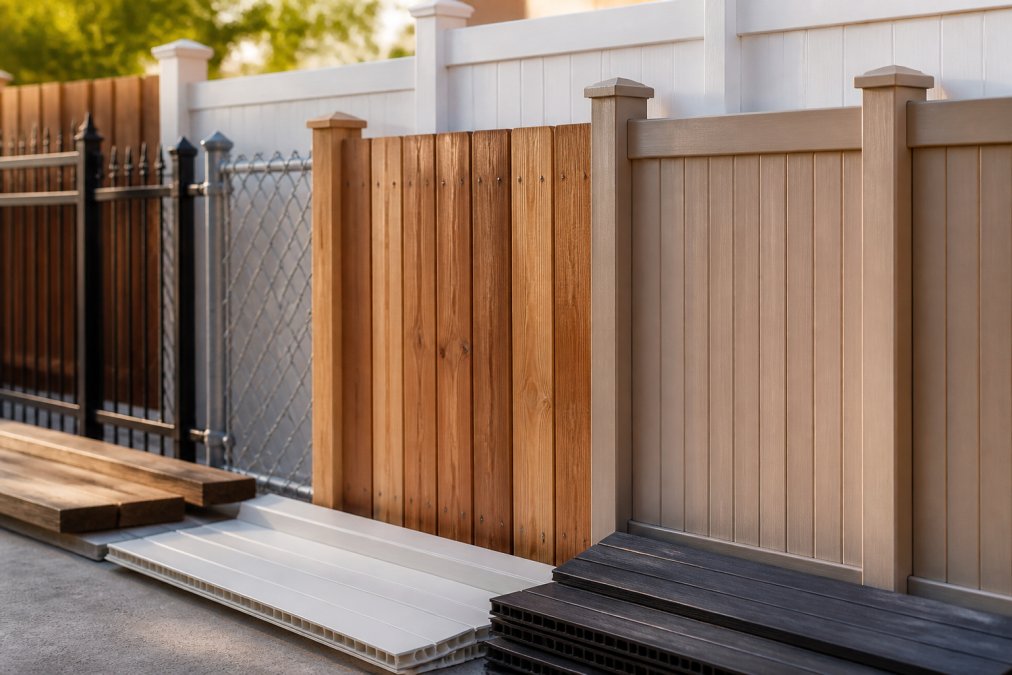
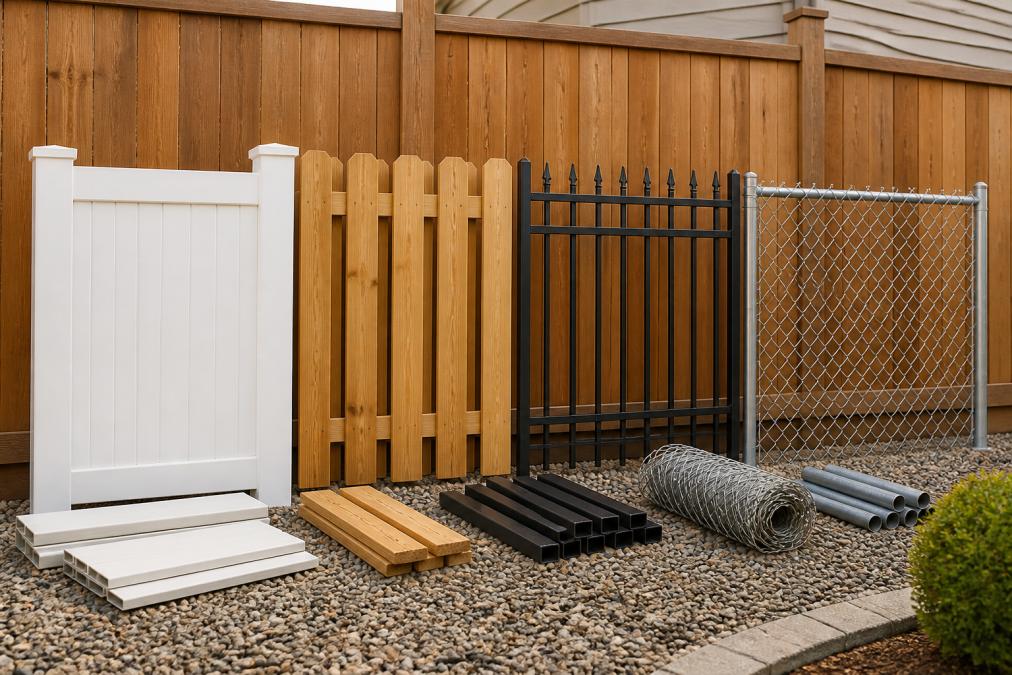
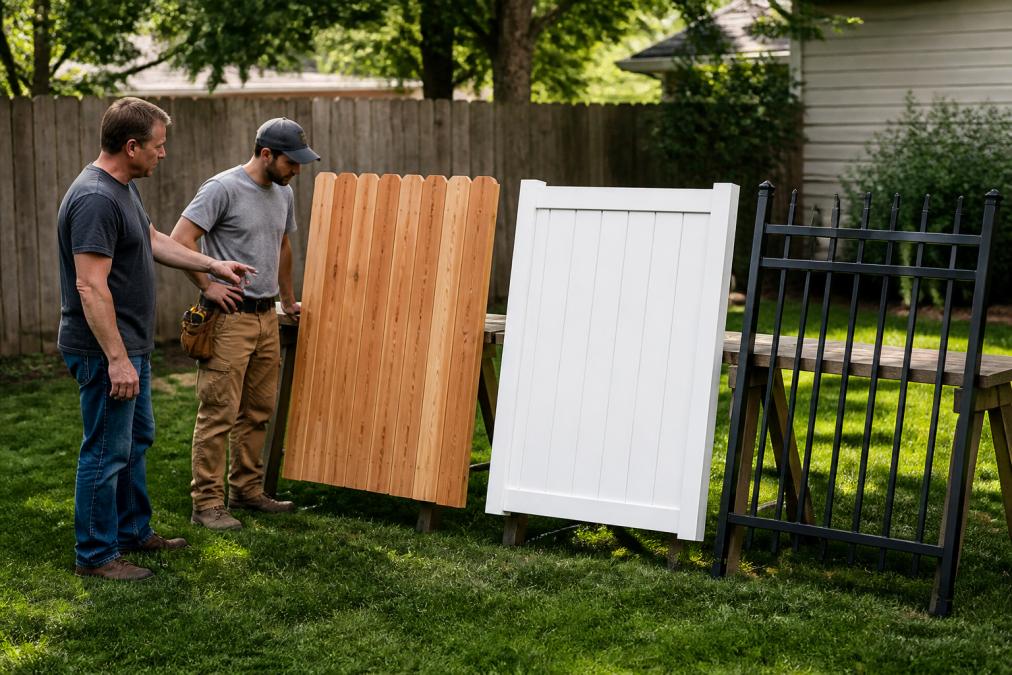
Choosing among the best residential fence materials comes down to three trade-offs: upfront cost, maintenance, and how long the fence lasts. Cedar and redwood win on looks, vinyl wins on upkeep, and steel wins on security. This guide from Fence Company Lincoln breaks down each option so you can match a material to your yard, your budget, and your tolerance for weekend chores.
| Material | Starting Cost | Lifespan | Maintenance | Best For |
|---|---|---|---|---|
| Chain link | Quote only | 15-20 years | Very low | Pet containment, large yards |
| Pine | Quote only | 10-15 years | Moderate | Tight budgets |
| Cedar | Quote only | 15-25 years | Moderate | Natural curb appeal |
| Redwood | Quote only | 20-30 years | Moderate | Premium wood look |
| Vinyl | Quote only | 25-35 years | Very low | Low maintenance |
| WPC composite | Quote only | 25-30 years | Very low | Wood look, no upkeep |
| Aluminum | Quote only | 25-30 years | Low | Ornamental, rust-proof |
| Steel | Quote only | 30+ years | Low | Maximum security |
| Wrought iron | Quote only | 30+ years | High | Decorative security |
Wood Fencing: Cedar, Redwood, and Pine
Wood remains the classic choice, and the species you pick matters more than the style. Cedar and redwood both contain natural oils that resist rot and insects, which is why they outlast pine by a wide margin. Pine costs the least upfront but needs staining or sealing every few years to hold up.
Vinyl Fencing: Low Maintenance and Long-Lasting
Vinyl fencing is the strongest answer for homeowners who want a fence they can ignore. It resists moisture, temperature swings, and insects, and it never needs paint, stain, or sealant. A quality vinyl panel holds its color and shape for 25 to 35 years.
Composite and Metal Fencing: WPC, Steel, and Aluminum
Composite, steel, and aluminum each solve a problem wood and vinyl cannot. WPC composite blends wood fibers with plastic, so it looks like timber but resists fading, warping, and splintering. Contact Fence Company Lincoln for a personalized quote.
Steel vs. Aluminum: Security and Weight
Steel is heavier and stronger, making it the better pick when security is the priority. Aluminum is lighter, naturally rust-proof, and easier to install on slopes or long runs. The one drawback with steel is that if the coating gets scratched, rust can take hold at that spot. Aluminum will not rust, but it dents more easily than steel under a hard hit.
Chain Link and Wrought Iron: Budget vs. Curb Appeal
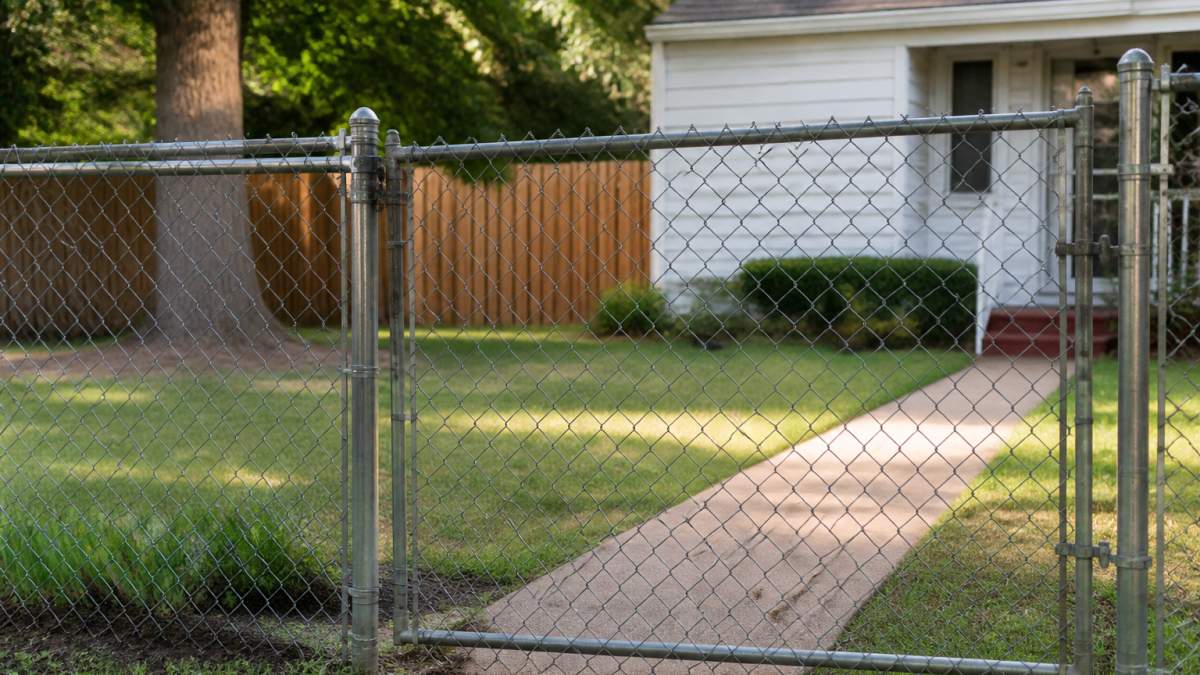
Chain link and wrought iron sit at opposite ends of the market, and both have a clear job. Chain link is quick to install and nearly maintenance-free. It offers almost no privacy, which is fine for pet containment or marking a large property line.
Average Lifespan of Residential Fences
The average lifespan of residential fences ranges from about 10 years for untreated pine to 30 years or more for steel, wrought iron, and vinyl. Cedar and redwood land in the middle at 15 to 30 years depending on climate and care. But a lifespan range is only useful if you know what pushes a fence to the low end or the high end.
| Material | Typical Lifespan | What Shortens It | What Extends It |
|---|---|---|---|
| Untreated pine | 10-15 years | Ground contact, no finish | Pressure treatment, stain every 2-3 years |
| Cedar | 15-25 years | Poor post drainage, UV exposure | Gravel-set posts, annual sealant |
| Redwood | 20-30 years | Wet soil at post base | Same as cedar |
| Vinyl | 25-35 years | Cheap non-UV-stabilized resin | Quality resin, proper post footings |
| WPC composite | 25-30 years | Subgrade movement, low-grade fiber | Concrete footings, quality brand |
| Aluminum | 25-30 years | Dents, coating scratches | Powder-coated finish, no coastal salt exposure |
| Steel | 30+ years | Coating scratches, salt air | Intact powder coat, galvanized base |
| Wrought iron | 30+ years | Rust at welds and joints | Regular repainting, rust treatment |
Why Fences Fail Before Their Panels Do
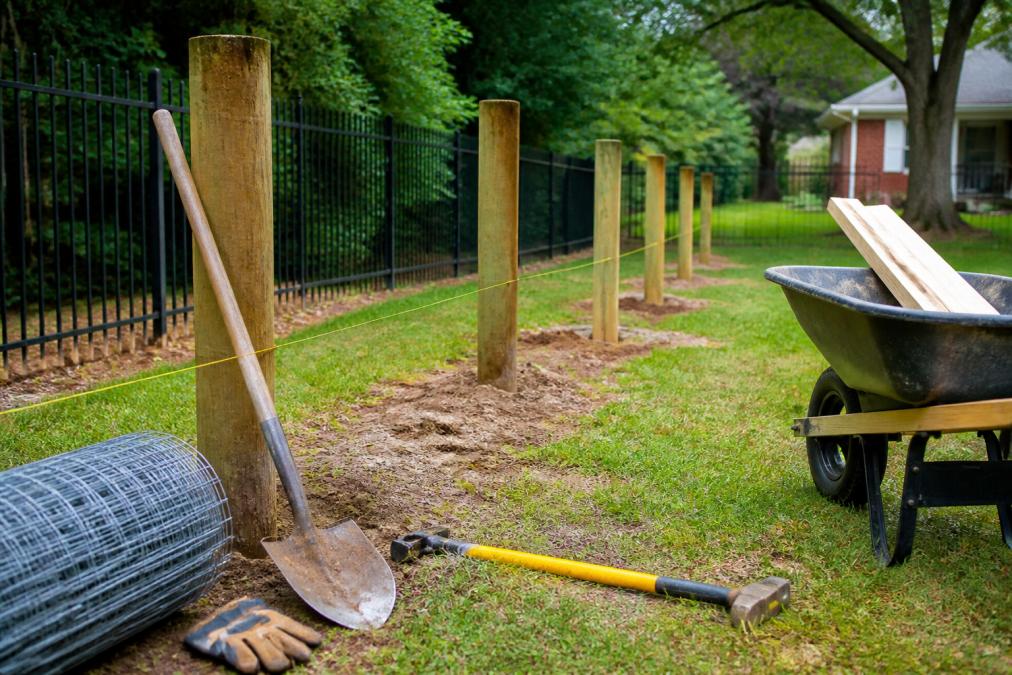
In wood fences, the posts almost always fail first. The panels sit above the soil line and dry out between rains, but the post base stays in contact with damp ground. If the post is set in concrete that does not drain, water pools at the bottom of the hole and rot starts within a few seasons. The fix is a gravel base under and around the post, or a footing that keeps the wood above the soil line.
The Maintenance Cadence That Protects Lifespan
- Wood: Inspect posts annually for soft spots at the base. Reapply stain or sealant every 2-3 years, more often in high-UV climates.
- Vinyl and composite: Wash with a garden hose or mild soap once a year. Check post footings for movement after freeze-thaw cycles.
- Aluminum: Rinse salt spray off coastal fences periodically. Touch up scratches to preserve the coating.
- Steel and wrought iron: Inspect welds and joints annually. Treat rust spots immediately and repaint as needed.
A fence that hits the top of its lifespan range is rarely the most expensive material, it is the one whose weak point was addressed before it failed. Budget for inspection and touch-up, not just installation, and the lifespan numbers above become realistic rather than optimistic.
Low Maintenance Fencing Options
Low maintenance fencing options include vinyl, WPC composite, aluminum, and chain link. None of these require painting, staining, or sealing, and all resist rot and insects by nature of their material.
Choosing the Right Fence for Your Home
Match the material to your priority, not to a trend. If privacy and low upkeep top your list, vinyl or composite earns its price. If curb appeal and a natural look matter most, cedar or redwood reward the extra care. If security is the goal, steel or wrought iron is the right call. If budget rules, chain link delivers the most fence per dollar.
Check HOA Rules and Local Zoning Before You Buy
A fence that violates a covenant or a municipal code can trigger fines, forced removal, or a denied permit, and the cost of undoing the work usually exceeds the cost of the fence itself. Before you order panels, run this checklist:
- HOA architectural review. Most HOAs require written approval before installation. Submit a plan showing material, height, color, and setback from the property line. Approval can take two to six weeks, so build that into your schedule.
- Height limits. Front-yard fences are commonly capped lower than backyard fences. Many jurisdictions limit front-yard fences to 3-4 feet and backyard fences to 6 feet, but the numbers vary by municipality and by corner-lot sight lines.
- Setback and easement rules. Fences are often required to sit inside the property line by a set distance, and utility or drainage easements may prohibit permanent structures entirely.
- Material restrictions. Some HOAs ban chain link in front yards or restrict visible metal. Others require wood to match a neighborhood palette.
- Permit thresholds. Many jurisdictions require a permit above a certain height or for any fence in a front yard. Pulling a permit is cheaper than a stop-work order.
- Pool barrier codes. If the fence encloses a pool, separate barrier requirements usually apply, including self-closing gates and specific height minimums.
Match the Material to Your Regional Climate
Climate is the variable that shortens or extends a fence's life more than any other factor. The same cedar panel that lasts 25 years in a dry climate may need replacement in 12 in a wet one.
- High humidity and heavy rain. Vinyl and composite outperform wood here because they do not absorb moisture. If you want wood, cedar and redwood resist rot better than pine, but posts still need gravel drainage and, ideally, pressure-treated or concrete footings above the soil line.
- Arid and desert climates. Wood dries and checks, and UV exposure bleaches stain faster. Cedar and redwood handle dryness better than pine, but any wood needs a UV-blocking finish reapplied more often. Vinyl can become brittle over decades of intense sun unless it is UV-stabilized. Metal holds up well but expands and contracts with temperature swings, so expansion gaps at posts matter.
- Coastal and salt-air environments. Salt accelerates corrosion on steel and wrought iron. Aluminum resists rust naturally and is usually the better metal choice near the coast. Powder-coated steel can work if the coating stays intact, but any scratch becomes a corrosion point. Vinyl and composite are unaffected by salt.
- Freeze-thaw regions. Soil heaving pushes posts out of plumb. Setting posts below the local frost line and using crushed gravel at the base prevents most of the movement, regardless of material.
- High-wind and storm regions. Steel and aluminum hold their shape better than wood under impact. Vinyl panels can crack in extreme cold, and solid privacy panels catch more wind than open designs, a picket or spaced-picket style sheds wind better.
Frequently Asked Questions
What is the most durable material for a fence?
Steel fencing is the most durable residential fence material, offering superior structural integrity and impact resistance. Powder-coated steel resists rust and corrosion, making it ideal for security. For natural materials, Western Red Cedar and Redwood resist rot and insects. Vinyl also lasts 25-35 years with minimal upkeep. The best choice depends on your climate and security needs.
What type of fence has the least maintenance?
Vinyl fencing requires the least maintenance because it never needs painting, staining, or sealing. It resists moisture, temperature changes, and pests. Composite fencing is another low-maintenance option that mimics wood without the upkeep. Both offer long lifespans and keep their appearance with just occasional cleaning.
How much does a wood fence cost?
Wood fence cost varies by wood type and project size. For accurate pricing on your property, contact Fence Company Lincoln for a personalized quote. For accurate pricing on your property, contact Fence Company Lincoln for a personalized quote.
Which fence material offers the best return on investment?
A well-installed fence can increase property value and curb appeal. Vinyl and composite fences offer strong ROI due to low maintenance and long lifespan. Wood fences provide immediate aesthetic appeal but require more upkeep. For homeowners in Lincoln, investing in durable materials like vinyl or steel often yields the best long-term value.
What is the average lifespan of residential fences?
The average lifespan of residential fences depends on material: vinyl lasts 25-35 years, wood (cedar/redwood) 15-25 years, chain link 15-20 years, and steel or aluminum 20-50 years. Proper installation and maintenance extend lifespan. Fence Company Lincoln ensures posts are buried deep to prevent leaning and early failure.