 how-to
How to Choose Security Fencing for Daycare Facilities
Table of Contents
- Start With Licensing: What Daycare Fence Requirements Actually Apply to You
- Daycare Fence Height and Gate Requirements: What the Code Says
- Climb-Resistant Design: Picket Spacing, Openings, and Protrusion Safety
- Choosing the Best Fence for Daycare Playgrounds: Material Comparison
- Privacy vs. Visibility: Balancing Sightlines With Containment
- Daycare Security Fencing Inspection and Maintenance Checklist
- Budgeting and Total Cost of Ownership for Daycare Security Fencing
- Conclusion: Your Next Steps for a Compliant, Safe Daycare Fence
- Frequently Asked Questions
Last Updated: October 9, 2026
Start With Licensing: What Daycare Fence Requirements Actually Apply to You
Getting the fence right starts with the rulebook, not the catalog. Daycare fence requirements come from two places: your state's childcare licensing standards and your local building code. The licensing office inspects for child safety. The building department inspects for construction.
This guide from Fence Company Lincoln walks through how to choose security fencing for daycare facilities, from the first permit question to the final inspection. We've spent over 30 years installing fences, and we've learned that the facilities who get this right start by reading their own licensing packet before they ever call a contractor.
Here's the part most owners miss. Your licensing packet usually spells out fence height, gate latches, and picket spacing in plain language. Pull it out first. Then call your city planning office and ask whether a permit is required.
Daycare Fence Height and Gate Requirements: What the Code Says
A four-foot fence is the common minimum for child containment, while a six-foot fence is typical where privacy or security fencing is required. Your state childcare standards and local fence code decide which applies to your play area.
Height Minimums That Satisfy State Childcare Standards
Most state childcare standards land in the four-foot to six-foot range. A four-foot fence keeps toddlers contained. A six-foot fence adds security and blocks sightlines from the street.
Check three sources before you commit:
- Your state licensing packet for childcare centers
- Your city or county fence ordinance
- Your homeowner or landlord agreement, if you lease the space
The tallest requirement wins. Build to that number.
Gate Hardware and Access Control That Passes Inspection
Gates fail inspection more often than fences do. Inspectors check that the latch sits out of a child's reach and that the gate self-closes and self-latches.
Self-closing and self-latching mechanics. A self-closing gate uses spring hinges or a gravity hinge that pulls the gate shut on its own.
Child-resistant latches. A standard latch at toddler height is a containment failure waiting to happen.
Emergency egress. Every gate that serves as a required exit must open freely from the inside without a key, tool, or special knowledge.
Visitor and staff access. A common pattern is a two-gate system: one gate for parent drop-off and pick-up, one gate for staff and deliveries.
Staff procedures that make hardware work. Hardware only works if staff use it.
Plan gate placement around your drop-off path. One gate for parents, one for staff, and a service gate for deliveries keeps traffic predictable.
Climb-Resistant Design: Picket Spacing, Openings, and Protrusion Safety
Climb-resistant design means a child can't find a foothold. That rules out horizontal rails, wide picket spacing, and anything a small hand or foot can grip.
Picket spacing is the number one detail. Keep gaps narrow enough that a child's head can't pass through. Many licensing standards reference a spacing limit for exactly this reason. Closed pickets, where the boards sit nearly flush, remove the foothold entirely.
Then check for protrusions:
- No sharp edges on posts, caps, or rails
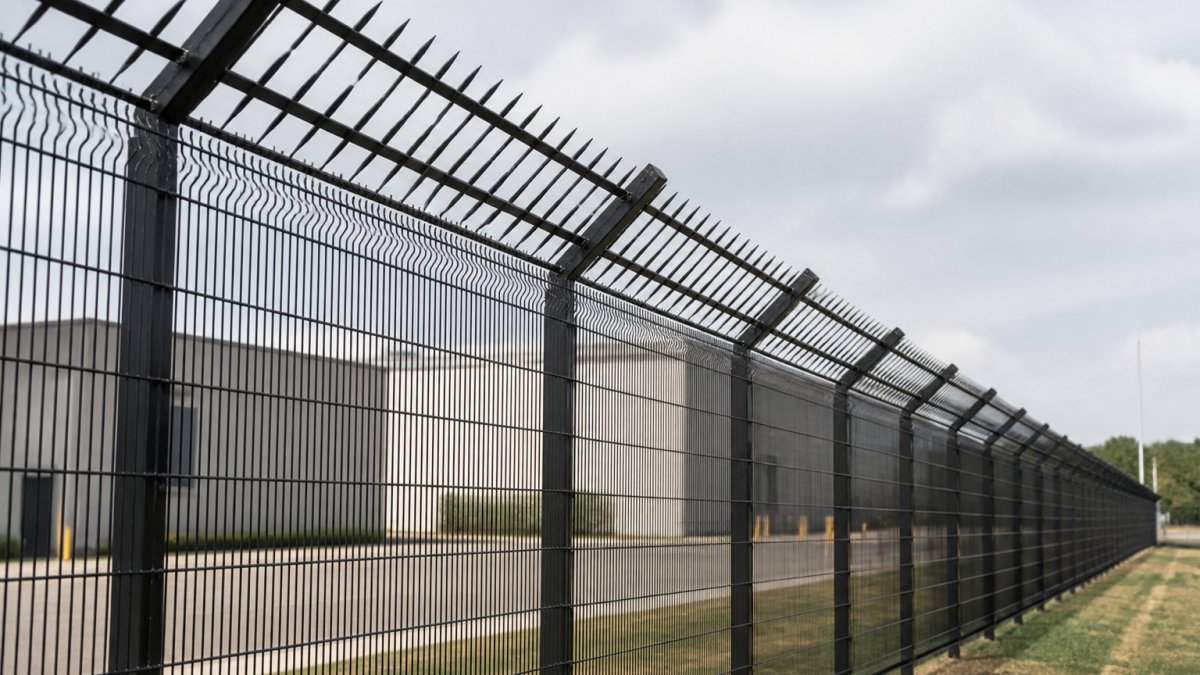
- No spikes or pointed finials at child height
- No exposed bolts or screws a child could catch a sleeve on
Choosing the Best Fence for Daycare Playgrounds: Material Comparison
The best fence for a daycare playground balances containment, durability, and upkeep. Vinyl and chain link lead for most facilities, wood works on a budget, and ornamental iron suits front-facing perimeters. But the right answer depends on where the fence sits and which age group plays behind it.
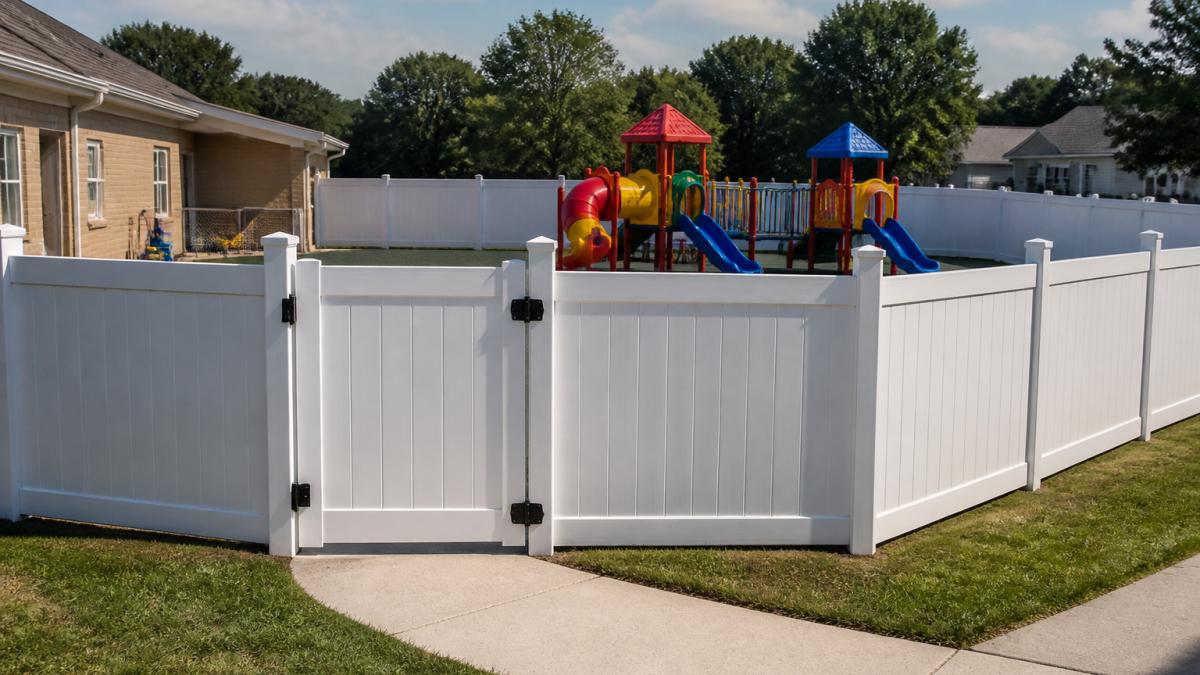
Wood, Vinyl, Chain Link, and Ornamental Iron Compared
Each material brings trade-offs. Here's how they stack up for a childcare setting.
| Material | Best For | Visibility | Upkeep Cadence | Typical Lifespan | Watch Out For |
|---|---|---|---|---|---|
| Wood | Tight budgets, natural look, low-traffic perimeters | Low to moderate | Stain or seal every 2-3 years; inspect for rot annually | 10-15 years with care | Splinters, decay at the base, climbing footholds on rails |
| Vinyl | Low maintenance, clean look, play-area perimeters | Low to moderate | Wash annually; inspect for cracks after freezes | 20-30 years | Higher upfront cost; brittle in extreme cold |
| Chain link | Large play areas, high visibility, budget builds | High | Rare repairs; tighten hardware annually | 15-20 years | Climbable if rails are exposed; galvanized coating can dull |
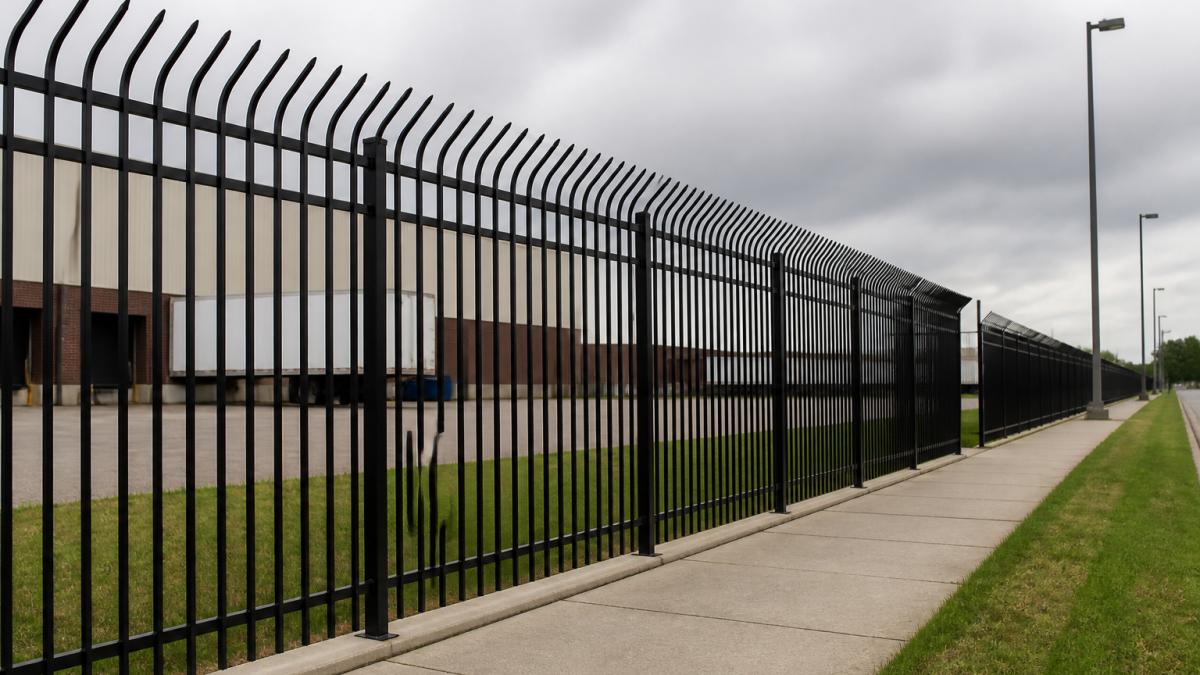
| Ornamental iron | Front perimeter, security, curb appeal | High | Rust touch-ups every 1-2 years | 30+ years | Cost; pointed tops are a hazard at child height |
Wood resists nothing on its own, it needs stain or seal to survive weather. That recurring cost is easy to forget. On the plus side, wood is repairable: a damaged picket can be swapped without replacing a panel.
Vinyl resists rot and splintering, which matters when kids brush against it daily. It cleans with a garden hose.
Chain link gives you visibility and a lower price, but exposed rails can become a climbing frame. If you choose chain link, specify a design with no horizontal rail a child can stand on, or add a climb-resistant top.
Ornamental iron lasts decades and looks substantial, but it carries the highest upfront price and requires rust touch-ups.
Matching Material to Fence Location and Age Group
A single material rarely fits the whole property. A common pattern is to split the fence into zones:
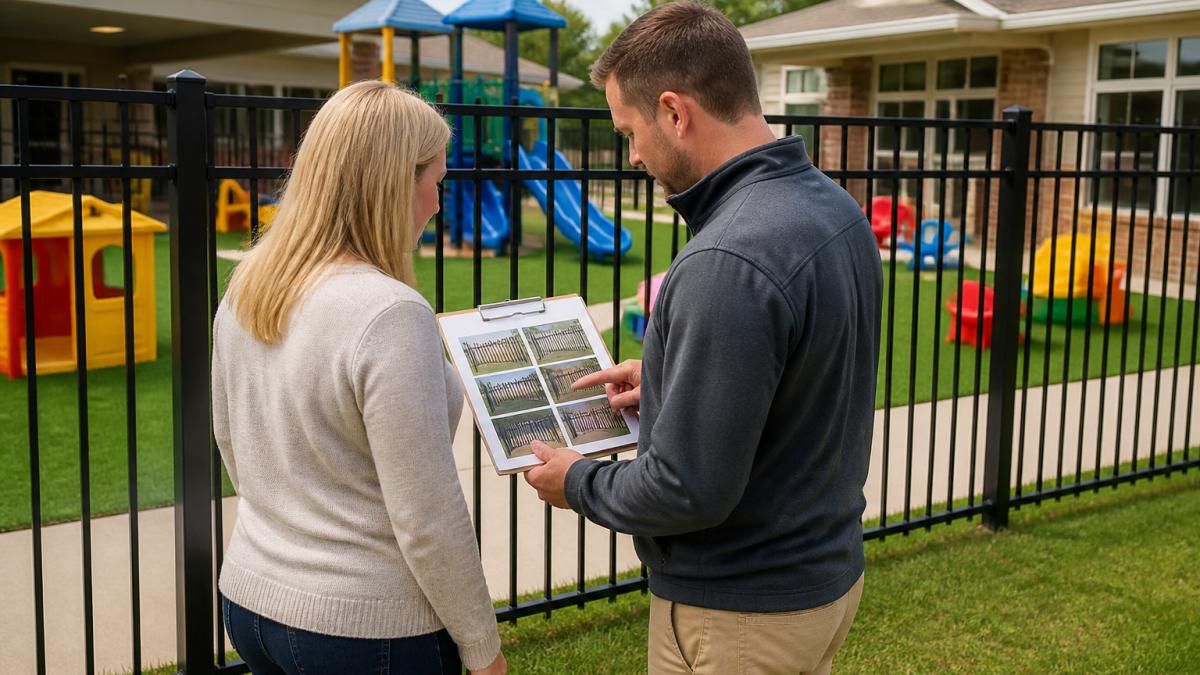
- Play area perimeter (infant and toddler): Vinyl or chain link. Prioritize visibility so staff can see the whole yard from one spot. Avoid any horizontal rail a toddler could use as a step.
- Play area perimeter (preschool and older): Vinyl or chain link with a climb-resistant top. Preschoolers climb, so footholds matter more than they do for toddlers.
- Street-facing perimeter: Vinyl privacy panels or ornamental iron. This is where you block traffic noise and prying eyes. Privacy here does not compromise supervision because staff are watching the play area, not the street.
- Service and delivery access: Chain link or a durable vinyl gate. This zone takes the most abuse and needs the least aesthetic polish.
A Quick Decision Framework
Ask four questions in order:
- Where does the fence sit? Play area, street perimeter, or service access.
- Which age group plays behind it? Toddlers need containment; preschoolers need climb resistance.
- What is your maintenance appetite? Vinyl and chain link need the least; wood needs the most.
- What is your budget horizon? Wood costs less upfront but more over time; vinyl and ornamental iron cost more upfront but less per year.
Answer those four and the material choice usually narrows to one or two options. Then get quotes on both and compare total cost of ownership, not just the sticker price.
Privacy vs. Visibility: Balancing Sightlines With Containment
Privacy fencing blocks street views, but full privacy can hide a child from staff sight. The right balance depends on where the fence sits.
For the play area, prioritize visibility. Staff need to see the whole yard from one spot. Chain link or open pickets work well here. For the street-facing perimeter, privacy fencing blocks traffic noise and prying eyes.
A common approach is a mixed design: solid panels on the street side, open or semi-open fencing around the play zone. This keeps containment strong while preserving sightlines where supervision matters most.
Daycare Security Fencing Inspection and Maintenance Checklist
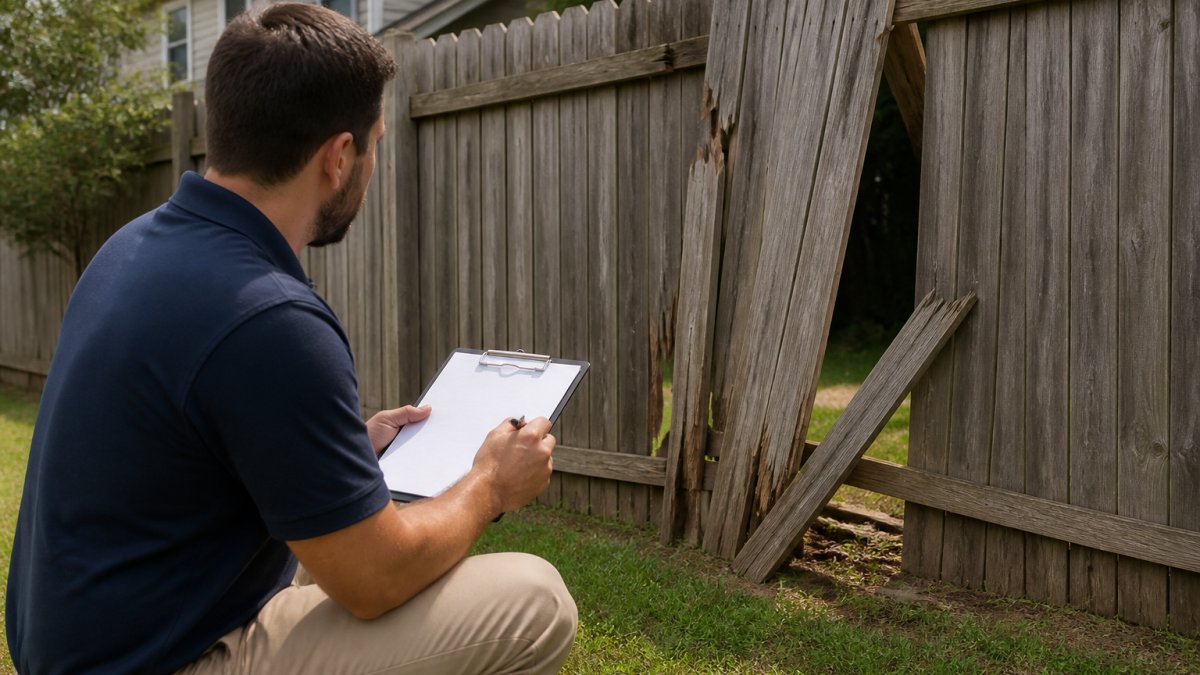
A playground fence inspection checklist catches small problems before they become safety issues. Walk the fence monthly and after any storm.
- Check every gate for self-closing and self-latching
- Look for loose posts or leaning sections
- Test picket spacing for any widened gaps
- Feel for sharp edges, splinters, or exposed hardware
- Check for rot or rust at the base of each post
- Confirm no climbable objects sit against the fence
- Verify locks work on all access gates
Log each walk-through with a date and note. If a licensing inspector asks, you have a record.
Budgeting and Total Cost of Ownership for Daycare Security Fencing
The sticker price isn't the whole cost. Total cost of ownership covers installation, maintenance, repairs, and eventual replacement over the fence's life.
Budget for these line items:
- Materials and installation
- Permits and inspection fees
- Annual maintenance and repairs
- Gate hardware replacement
- Eventual replacement of the whole run
Vinyl and chain link usually cost less to own over time because they need less upkeep. Wood costs less upfront but asks for more each year. Ornamental iron lasts decades but carries the highest upfront price.
Pricing depends on fence length, material, gate count, and site conditions. We give free quotes and match competitor pricing, so you can compare real numbers instead of guesses.
Conclusion: Your Next Steps for a Compliant, Safe Daycare Fence
The fence that passes inspection is the one that matches your licensing rules, your local code, and how your staff actually supervise the yard. Start with the paperwork, pick a climb-resistant design, and match the material to your budget and upkeep appetite.
At Fence Company Lincoln, we handle daycare fencing from design to completion with no subcontractors, so the crew on your site is our crew. We're fully licensed, insured, and bonded, and we back our work with a price matching policy. Get started with Fence Company Lincoln and secure a play area that keeps kids safe and inspectors satisfied.
Frequently Asked Questions
What type of fence is safest for a daycare?
A climb-resistant chain link or vinyl fence with closed pickets and a minimum height of four feet is the safest option for daycare security fencing. Chain link with small mesh openings prevents children from squeezing through, while solid vinyl panels eliminate handholds and footholds. Both materials resist climbing better than wood with horizontal rails. Whichever material you choose, the fence must have no sharp edges, spikes, or protrusions, and gates must self-close and self-latch to maintain a secure perimeter at all times.
How high should a daycare security fence be?
Most state childcare licensing standards require a minimum fence height of four feet for outdoor play areas, but six-foot fences are increasingly common for security fencing at daycare facilities. A taller fence makes climbing significantly harder for older children and blocks casual visual access from the street. Check your state's childcare regulations and local building code before ordering materials, because some jurisdictions require six feet specifically for commercial childcare operations. Your fence contractor can verify the exact requirement during the permit process.
Should daycare fencing allow staff to see through it?
Yes, in most cases. Full visibility into the play area from inside the building is critical for supervision. Chain link and open-picket designs let staff monitor children from windows or doorways without walking outside. If you need privacy from the street, consider a semi-privacy design with alternating pickets or a solid fence on only the street-facing side. The goal is a secure perimeter that does not block the line of sight between caregivers and children during outdoor play.
How often should daycare fencing be inspected and maintained?
Inspect your daycare security fencing monthly for loose posts, damaged pickets, rust, and gate hardware that no longer latches properly. A thorough inspection with your contractor should happen annually, and after any severe weather event. Check for gaps at the bottom of the fence that a child could crawl through, and verify that all self-closing gates still close and latch on their own. Document each inspection in writing, because licensing reviewers may ask to see maintenance records during renewal.