 how-to
Secure Job Sites for Commercial Real Estate in 2026
Table of Contents
- What Makes a Commercial Real Estate Job Site Secure
- OSHA Requirements for Commercial Job Sites
- Commercial Construction Site Safety Standards That Protect Workers
- Hiring Reliable Commercial Fencing Contractors
- Data Privacy and Vetting Protocols for Job Seekers on Secure Job Sites
- Niche CRE Specializations and How They Affect Site Security Needs
- Conclusion
- Frequently Asked Questions
Last Updated: September 24, 2026
What Makes a Commercial Real Estate Job Site Secure
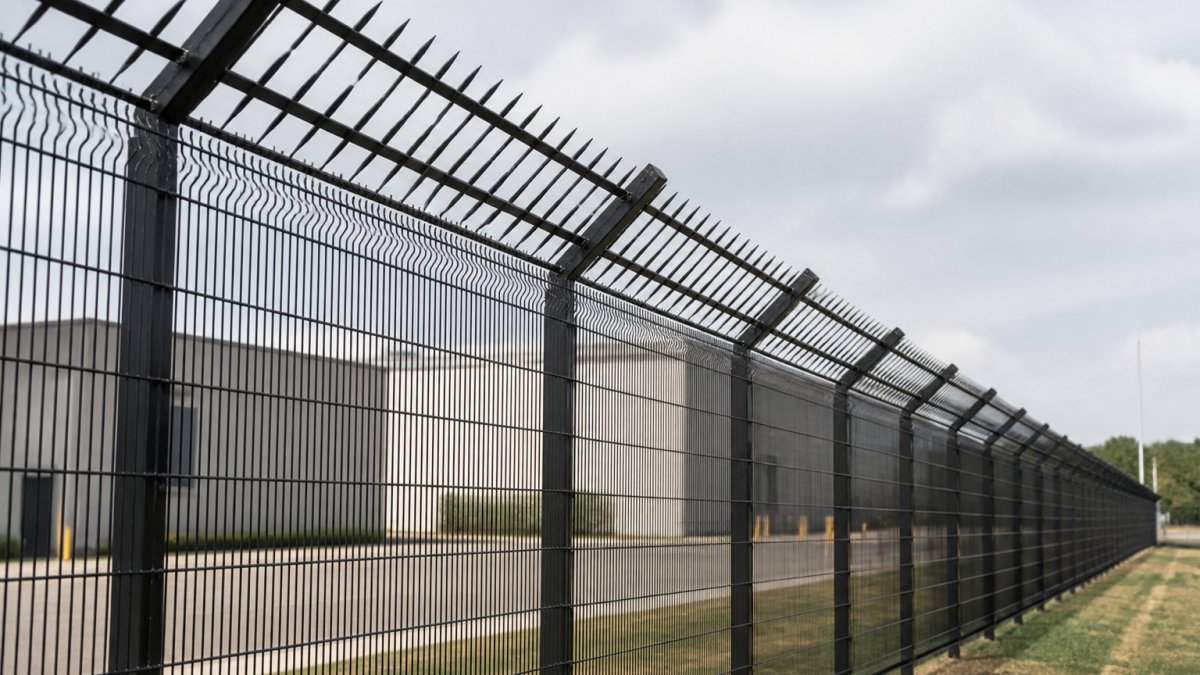
A secure job site is one where access is controlled, hazards are fenced off, and only approved people and equipment get through. That definition matters whether you run a construction project or list a property. When people search for secure job sites for workers and clients for commercial real estate, they usually mean two things at once: a physical site that keeps crews safe, and a hiring process that keeps their data safe.
OSHA Requirements for Commercial Job Sites
The first question to answer is simple: what does the law actually require, and who is responsible when it is not met?
Key OSHA Standards That Apply to Fencing and Barriers
- Controlled access zones around overhead work and crane swings
- Warning barriers where a full fence is not practical
- Signage that tells workers and visitors what hazards exist
- Fall protection at edges, openings, and excavations
A fence is often the cheapest way to satisfy several of these at once. It defines the zone, keeps people out, and gives you a place to post warnings.
How to Verify Contractor Compliance Before Work Begins
Ask for the paperwork before anyone shows up. A compliant contractor can hand you:
- A written safety plan for your site
- Proof of current OSHA training for crew leads
- Incident history and corrective actions
- A named competent person responsible for daily checks
What Workers Should Check Before Accepting a Site Assignment
OSHA gives you rights on a commercial job site, and a secure employer will not hide them from you. Before you accept an assignment, confirm the following:
- The employer has a written hazard communication program. Under OSHA's Hazard Communication Standard (29 CFR 1910.1200), you must be trained on the chemicals you work with and have access to Safety Data Sheets.
- You have been offered required PPE at no cost. OSHA's personal protective equipment standards (29 CFR 1910 Subpart I) require employers to provide and pay for most required PPE.
- You know how to report a hazard without retaliation. OSHA's whistleblower protections (Section 11(c) of the OSH Act) prohibit retaliation against workers who report violations.
- You can see the site's OSHA 300A injury log if requested. Employers with more than 10 employees must post this summary each February through April.
What Clients Should Verify Before Hiring a Crew
If you are a property owner or general contractor bringing workers onto a commercial site, OSHA liability does not transfer just because you hired a subcontractor. Under OSHA's multi-employer citation policy, more than one employer can be cited for the same hazard.
- Current OSHA 300 logs for the past three years
- Experience Modification Rate (EMR) from the contractor's workers' compensation insurer
- Proof of OSHA 10 or OSHA 30 training for every crew member who will be on site
- A signed site-specific safety plan that names the competent person
How to Verify Contractor Compliance Before Work Begins
Ask for the paperwork before anyone shows up. A compliant contractor can hand you:
- A written safety plan for your site
- Proof of current OSHA training for crew leads
- Incident history and corrective actions
- A named competent person responsible for daily checks
Commercial Construction Site Safety Standards That Protect Workers
Safety standards on a commercial site are not one document. They are a stack of rules from OSHA, local building codes, and the project's own safety plan. The fence line sits at the center of all three.
Here is how the layers fit together:
| Layer | What It Covers | Who Enforces It |
|---|---|---|
| OSHA standards | Worker safety, access, fall protection | Federal |
| Local building codes | Setbacks, permits, inspections | City or county |
| Project safety plan | Site-specific rules and checkpoints | General contractor |
| Insurance requirements | Liability and coverage limits | Insurer |
Hiring Reliable Commercial Fencing Contractors
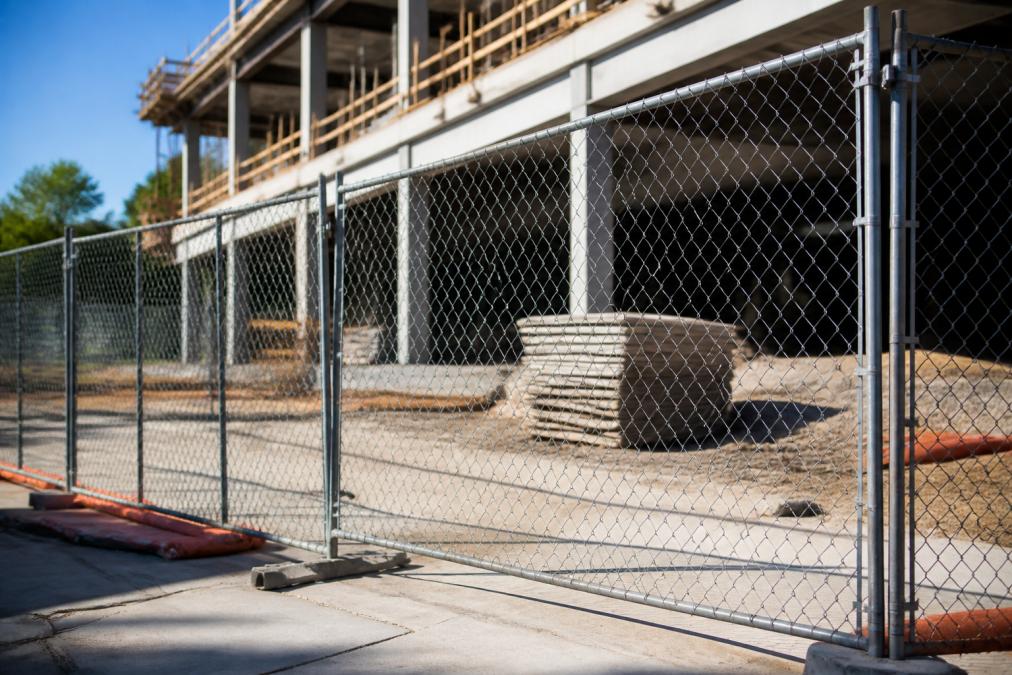
The best way to get a secure perimeter is to hire a contractor who builds one correctly the first time. That means checking three things before you sign anything: licensing, insurance, and bonding.
Licensing, Insurance, and Bonding Checks
- License: Verify the contractor holds a current state license for the work.
- Insurance: Ask for a certificate of general liability and workers' comp coverage.
- Bond: A surety bond protects you if the contractor fails to complete the job.
Call the insurer directly to confirm the policy is active. Certificates can be forged or expired.
Red Flags That Signal a Contractor Will Cut Corners
- No physical address or verifiable license number
- Pressure to pay a large deposit up front in cash
- No written contract or vague scope of work
- Crews with no safety gear and no marked vehicles
- Excuses about why they cannot provide insurance proof
Fence Company Lincoln is fully licensed, insured, and bonded, and we do not subcontract our work. That means the crew on your site is our crew, and the person who quoted the job is accountable for how it is built.
Data Privacy and Vetting Protocols for Job Seekers on Secure Job Sites
A secure job site also protects the people applying through it. When you upload a resume or share a work history, that data should not end up in the wrong hands.
- The site uses HTTPS and shows a lock icon in the address bar
- Listings name a real company with a verifiable address
- The platform explains how it stores and shares your data
- You can delete your profile and request data removal
- Recruiters verify their identity before posting
Niche CRE Specializations and How They Affect Site Security Needs
Not every commercial site needs the same fence, and not every CRE job board needs the same vetting. A retail center, a data center, and a construction staging yard have very different threats, and the people who work in each sub-sector face different hiring risks.
Industrial and Warehouse
Industrial properties carry the highest rate of serious workplace injuries in commercial real estate. Forklift traffic, dock doors, and racking systems create hazards that a general job board will not screen for. When you apply through a niche industrial board, look for listings that specify:
- Powered industrial truck certification requirements (OSHA 29 CFR 1910.178)
- Lockout/tagout training for maintenance roles
- Dock safety and trailer restraint procedures
Retail and Mixed-Use
Retail hiring is where fake listings cluster most, because the roles are entry-level, high-turnover, and easy to impersonate. A scammer can copy a real retailer's name and logo and post a "store manager" role in minutes. Before you apply to any retail CRE position, verify the property management company exists at the address listed, and confirm the hiring manager's name against the company's own website.
Data Centers and Utilities
Data center roles require background checks, sometimes federal-level, and often involve controlled-access credentials. A legitimate data center job board will tell you upfront what screening is required and will never ask you to pay for it. If a listing asks you to cover the cost of a background check or a security clearance, that is a scam. Employers pay for required screening.
Construction Sites
Construction CRE roles are the most likely to involve day labor, staffing agencies, and short-term contracts, which is exactly where wage theft and misclassification happen. A secure construction job board will:
- Name the general contractor, not just a staffing agency
- State whether the role is W-2 or 1099
- List the prevailing wage if the project is federally funded (Davis-Bacon Act)
- Provide a physical site address before the interview
How to Match the Board to the Sub-Sector
A general CRE job board will surface listings across all four categories, but it will not vet them at the sub-sector level. The trade-off is volume versus screening. If you are a worker with specialized skills, a niche board in your sub-sector will have fewer listings but a much higher signal-to-noise ratio.
Conclusion
Securing a commercial site takes more than one good fence. It takes a contractor who shows up with proof of licensing and insurance, a crew that does not subcontract, and a perimeter that gets checked every week.
Frequently Asked Questions
What are the essential security protocols for commercial construction sites?
Essential protocols include perimeter fencing with controlled access points, badge or sign-in systems for all workers and visitors, security cameras covering entry and storage areas, and after-hours lighting. A designated site security manager should conduct daily walkthroughs. All workers must complete site-specific safety orientation before stepping foot on the property. These measures protect both the people on secure job sites and the materials stored there.
How do I verify a fencing contractor is licensed and insured before hiring?
Ask for the contractor's state license number and verify it through your state's licensing board website. Request a certificate of insurance showing general liability and workers' compensation coverage, then call the insurer directly to confirm the policy is active. A legitimate contractor will provide these documents without hesitation. If a company cannot produce proof of licensing, insurance, and bonding, walk away. The risk of an uninsured injury or property damage on your site is not worth the savings.
How does site security impact project timelines and insurance costs?
A secure job site reduces theft and vandalism, which are leading causes of project delays in commercial construction. When materials and equipment stay on site without loss, crews keep working without replacement waits. Insurers recognize this: carriers often offer lower premiums for projects with documented security plans including fencing, lighting, and access control. A single theft claim can raise your premium for years, so the upfront investment in perimeter security pays for itself.
What should clients look for in a contractor's site management plan?
A solid site management plan covers daily safety briefings, defined access zones for workers versus visitors, emergency evacuation routes, and a communication chain for reporting incidents. It should name the person responsible for OSHA compliance on site and describe how subcontractors are vetted. Ask whether the contractor self-performs the work or subs it out. Companies that keep their own crews on every job have more control over who enters the site and how safety rules are enforced.