 ultimate-guide
Residential Fence Company: How to Hire the Right Pro
Table of Contents
- What a Residential Fence Company Actually Does for You
- Questions to Ask Fence Contractors Before You Sign
- How to Compare Fence Company Quotes Without Getting Fooled
- Average Cost to Install a Residential Fence: What Drives the Price
- Fence Permits and HOA Rules Most Homeowners Find Out Too Late
- DIY vs. Hiring a Residential Fence Company: The Real Risks
- Frequently Asked Questions
Last Updated: September 12, 2026
What a Residential Fence Company Actually Does for You
A residential fence company manages a project from the first site visit to the final walkthrough, handling design, permitting, materials, and installation as one coordinated job. At Fence Company Lincoln, we've spent more than 30 years doing exactly that for homeowners, and the scope is wider than most people expect.
Here's the short version of what a good residential fence company handles:
- Site assessment: Measuring the property line, checking slope, soil, and drainage, and identifying utility lines before anyone digs.
- Design and material selection: Matching fence type to your goal, whether that's pet containment, privacy, pool safety, or curb appeal.
- Permitting and HOA paperwork: Confirming height limits, setback rules, and neighborhood covenants before ordering materials.
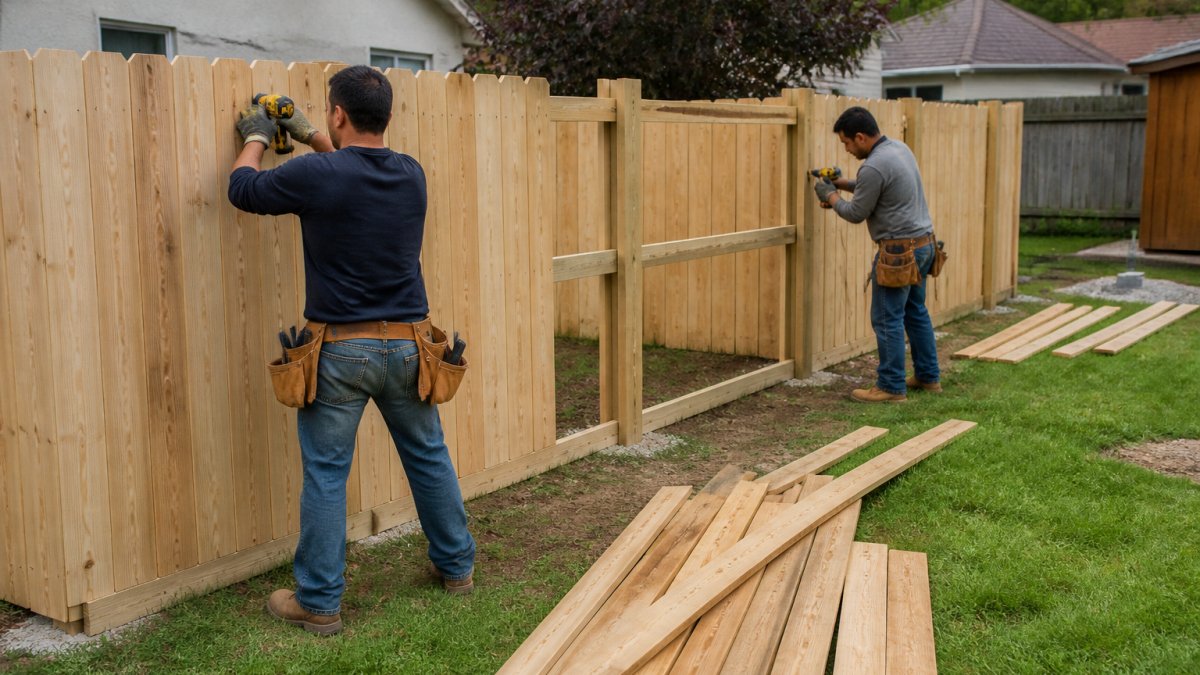
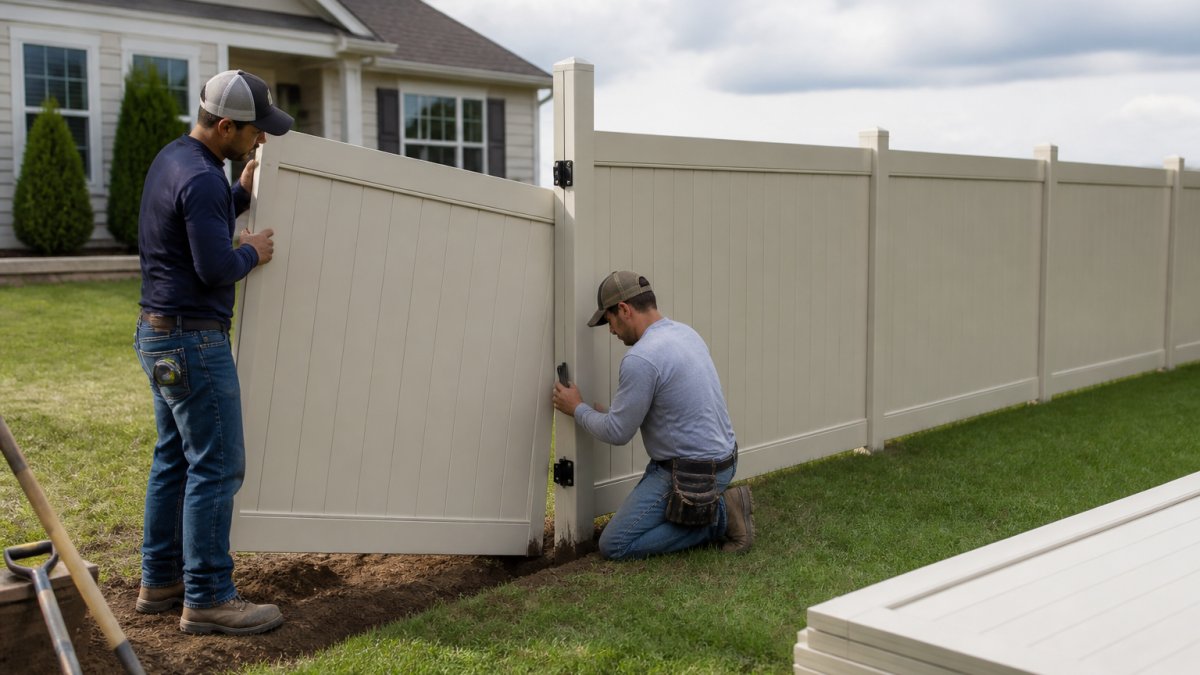
- Installation: Setting posts to the correct depth, framing, hanging gates, and cleaning up the site.
- Final walkthrough: Walking the finished fence with you, checking gate swing, and handing over care instructions.
The Material Comparison Most Companies Skip
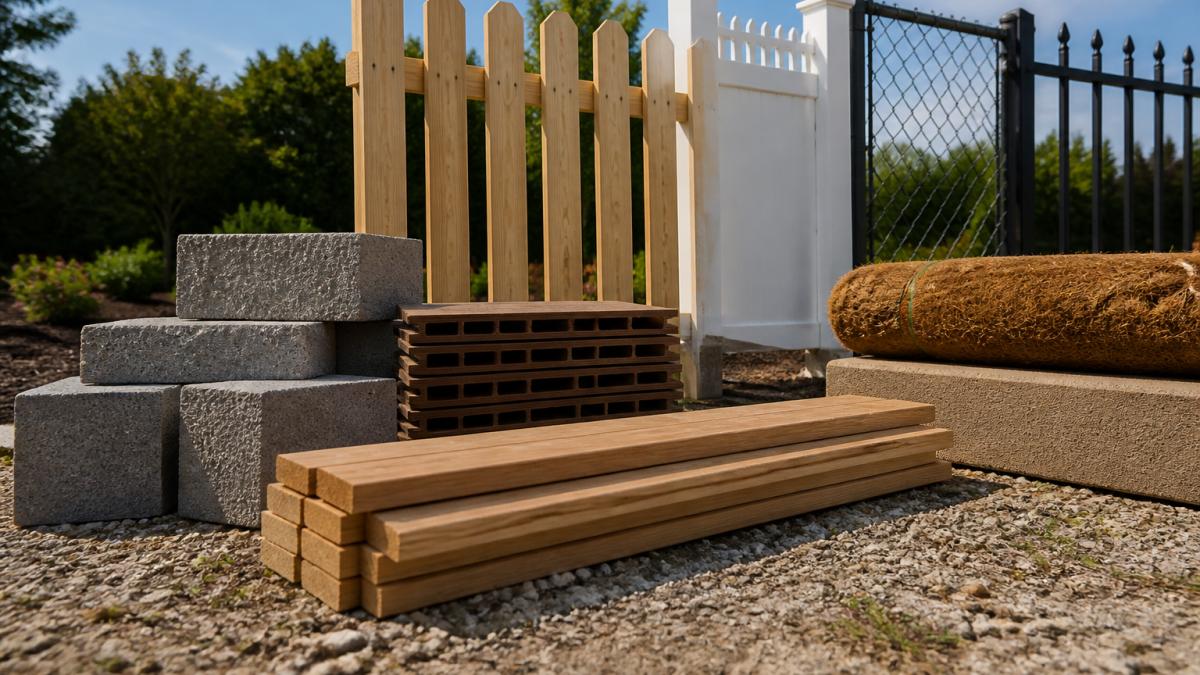
A side-by-side comparison of how each material actually performs over time can be helpful, because the cheapest fence to install is rarely the cheapest fence to own. Here's how the four most common residential materials stack up on the dimensions that matter:
| Material | Upfront Cost | Lifespan (typical) | Maintenance | Best For |
|---|---|---|---|---|
| Wood (cedar, pine, pressure-treated) | Low to mid | 10-15 years with care | Stain or seal every 2-3 years; repair boards as they rot | Privacy, natural look, budget-conscious installs (extension.psu.edu) |
| Vinyl (PVC) | Mid | 20-30 years | Rinse with a hose; occasional cleaning of mildew | Low-maintenance privacy, humid climates |
| Chain link | Low | 15-20 years (galvanized), longer with vinyl coating | Almost none; replace tension bands and gates as needed | Pet containment, security, large runs |
| Aluminum / ornamental | Mid to high | 25+ years | Touch-up paint on scratches; tighten hardware | Curb appeal, pool enclosures, HOA-approved looks |
A few things that table doesn't capture:
- Wood is the only material that needs a recurring chemical treatment. If you don't want to stain every few years, wood is the wrong choice regardless of upfront price.
- Vinyl color is baked in, not painted. That's why it holds up in sun and rain, but it also means a scratched panel can't be touched up, it has to be replaced.
- Chain link is the value leader for long runs, but it offers no privacy. Adding slats or a privacy screen changes the cost and the wind load on the posts.
- Aluminum costs more upfront but often wins on 20-year cost because it needs almost no maintenance and resists rust in a way steel and wood don't.
Maintenance Schedules by Material
What you sign up for after installation depends entirely on material. A simple yearly checklist:
- Wood: Inspect for rot at the base of posts each spring; re-stain or seal every 2-3 years; tighten gate hardware annually.
- Vinyl: Wash with a garden hose and mild soap once or twice a year; check post caps and gate hinges for looseness.
- Chain link: Walk the line for bent top rail or sagging fabric; lubricate gate hinges; check tension wire and bands.
- Aluminum: Rinse salt and dirt off; touch up scratches with matching paint to prevent corrosion; tighten bolts on gates.
From Site Assessment to Final Walkthrough
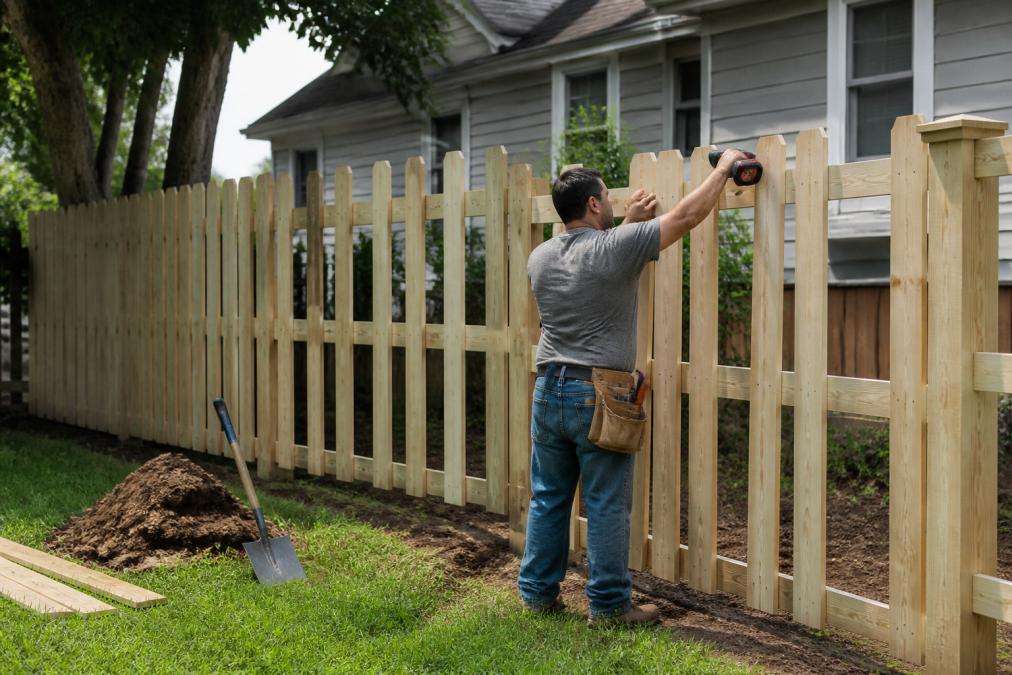
The assessment is an important part of the process. Slope, root systems, and easements all change what's actually buildable.
Questions to Ask Fence Contractors Before You Sign
The right questions to ask fence contractors fall into three buckets: credentials, execution, and accountability. Get clear answers in writing before you sign anything.
Licensing, insurance, and who actually shows up
Ask for the license number, a certificate of insurance, and a bonding document. Then ask the question almost nobody thinks to ask: will the people on my property be your employees or a subcontractor? Fence Company Lincoln is fully licensed, insured, and bonded, and we don't subcontract, so the crew on your property is the crew you hired.
Other questions worth asking:
- How deep do you set posts, and what do you use below the frost line?
- What's the timeline, and what could delay it?
- What does the warranty cover, and for how long?
- Who handles the permit application?
- What happens if a gate sags in six months?
A sagging gate is often an installation problem, not a hardware problem.
How to Compare Fence Company Quotes Without Getting Fooled
Comparing fence company quotes means comparing scope, not just the bottom-line number. A low bid may omit post depth specs, skip the permit, or use thinner gauge hardware. Line items can matter more than the total.
Put every quote side by side against the same criteria:
| What to Compare | Weak Quote | Strong Quote |
|---|---|---|
| Post depth | "Set to code" | Specific depth in inches |
| Materials | Brand not named | Gauge, grade, and manufacturer listed |
| Permits | "You handle it" | Company files and manages |
| Crew | "Our team" | Employees named, no subcontracting |
| Warranty | Not mentioned | Written terms and duration |
| Cleanup | Not mentioned | Old fence hauled away |
For context on how height and setback rules vary, check your local municipal building code resources before you compare anything.
Average Cost to Install a Residential Fence: What Drives the Price
The average cost to install a residential fence depends on linear footage, material, terrain, gate count, and whether removal of an old fence is included. There's no single number that applies across every yard. A useful estimate often breaks the total into line items, so you can see where the money goes.
The Six Cost Drivers, Ranked by Impact
1. Linear footage. This is the single biggest factor. Fence pricing is almost always quoted per linear foot, so a 150-foot run costs roughly two and a half times a 60-foot run before gates, corners, and end posts are added. Corners and ends each require their own post, so a yard with six corners costs more per foot than a straight run of the same length.
2. Material choice. Wood, vinyl, chain link, aluminum, and wrought iron sit at very different price points, and the gap between the cheapest and most expensive option is often two to three times the per-foot cost. Material also drives long-term cost: a fence that needs staining or repair every few years can cost more over time than an option with higher upfront cost that needs minimal maintenance.
3. Terrain. Sloped, rocky, or heavily rooted ground takes longer and costs more. On a slope, installers either step the fence in sections (more posts, more labor) or rack it to follow the grade (more careful framing). Rocky soil may require a rock auger or hand digging around obstructions, both of which add labor hours.
4. Gates. Each gate adds hardware, framing, and labor. A basic walk gate is the cheapest; a double drive gate or an automated gate with an opener can add significantly more because of the heavier posts, bracing, and electrical work required.
5. Removal and disposal. Tearing out an old fence and hauling it away is real labor, and concrete-set posts are the slow part. Some companies charge a per-foot removal fee; others fold it into the install price. Ask which, and ask where the debris goes.
6. Permits and HOA fees. Some jurisdictions charge a permit fee based on project value or linear footage; some HOAs charge a separate architectural review fee on top. These are usually small relative to the fence itself, but they're real line items and they should appear on the quote.
Why You Won't See a Single National Number Here
Fence pricing varies too much by region, material grade, and site conditions for one figure to be honest. What you can do is compare quotes apples-to-apples using the six drivers above. If one bid is dramatically lower, it may be worth looking for missing line items such as post depth, concrete, gate hardware, or removal.
Fence Company Lincoln offers a price matching policy against competitors, so if you're weighing a higher quote against a lower one, ask what the difference buys you before you decide. For a current figure on your specific yard, request a written estimate from Fence Company Lincoln.
Fence Permits and HOA Rules Most Homeowners Find Out Too Late
Permit and HOA requirements can be a reason a fence project stalls midway. Homeowners may learn about height limits and setback rules after materials are already ordered, which can cause delays.
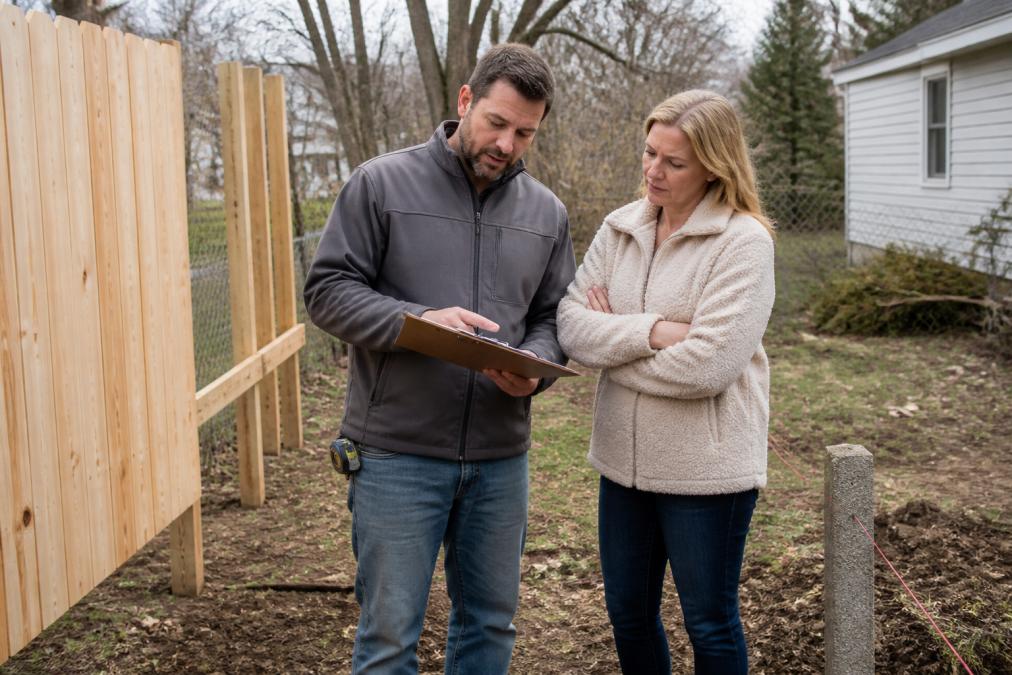
The two rules that trip people up most:
- Height limits. Many jurisdictions cap front-yard fences lower than backyard fences, and corner lots often have sight-line restrictions near intersections.
- Setbacks. Fences usually must sit inside the property line, not on it, and easements can forbid permanent structures entirely.
HOA covenants layer on top of municipal rules. A neighborhood can require a specific material, color, or fence style even when the city allows something else. The HOA-USA resource network is a reasonable starting point for understanding how covenants typically work, but your own HOA documents are the final word.
DIY vs. Hiring a Residential Fence Company: The Real Risks
Hiring a residential fence company can be a safer path when the job involves permits, slope, or a gate that needs to swing correctly for years. DIY fencing may be viable for a flat, short run of chain link with no HOA.
The real risks of going it alone:
- Post depth errors. Posts set too shallow may lean, and fixing them can mean tearing out the fence.
- Permit violations. An unpermitted fence may be ordered removed at your expense.
- Utility strikes. Digging without a locate call is dangerous and expensive.
- Gate geometry. Gates may sag when posts and framing aren't square.
- No warranty. If it fails, you own the repair.
A residential fence company can help manage the risks involved in fence installation.
Fence projects can encounter issues due to various reasons, including shallow posts, missing permits, or unreliable crews. Fence Company Lincoln handles all three by keeping the work in-house, managing permits from design to completion, and backing every install with a fully licensed, insured, and bonded team. With more than 30 years in the trade and a price matching policy, we'll give you a written estimate and a crew that shows up. Get started with Fence Company Lincoln and secure your property with a fence built to stay put.
Frequently Asked Questions
What factors should I consider when hiring a residential fence company?
Focus on licensing, insurance, and whether the company uses its own crews or subcontracts. Ask how deep they set posts, what warranty covers labor and materials, and whether they handle permits. A residential fence company that manages the full project from design to completion, with no subcontractors, gives you one point of accountability if anything goes wrong after installation.
How can I verify if a fence company is licensed and insured?
Ask for the license number and a certificate of insurance before work starts, then confirm both directly. The insurance certificate should list general liability coverage and workers' compensation. If a crew member is injured on your property and the company carries no workers' comp, there may be liability considerations for the homeowner. A bonded company also gives you recourse if the job is abandoned mid-project.
What is the average cost to install a residential fence?
Pricing depends on linear footage, material choice, terrain, gate count, and whether old fencing needs removal. Wood, vinyl, chain link, and iron all price differently, and a sloped or rocky yard adds labor. Because rates shift with material costs and site conditions, the most reliable number comes from an on-site estimate. Request a written quote with a line-item breakdown rather than a single lump sum.
How do I compare fence company quotes fairly?
Put every quote on the same terms: same material grade, same height, same post depth, same gate hardware. A low bid may sometimes skip concrete at the posts, use thinner panels, or exclude permit fees and cleanup. Ask each company to itemize materials, labor, removal, and disposal. Then compare warranties and timelines side by side, not just the bottom-line number.