 ultimate-guide
Cost of Professional Fence Post Installation: 2026 Guide
Table of Contents
- Why Post Installation Is the Most Expensive Part of Your Fence
- How Deep Should Fence Posts Be Buried (and Why It Affects Cost)
- Fence Post Installation Labor Cost Per Post: What You're Paying For
- Average Cost of Concrete for Fence Posts and Other Materials
- Post Material Durability vs. Installation Cost
- Hidden Costs: Permits, Surveys, and Debris Removal
- How to Get an Accurate Fence Post Installation Quote
- Frequently Asked Questions
Last Updated: September 30, 2026
Why Post Installation Is the Most Expensive Part of Your Fence
Professional fence post installation usually costs more than any other phase of a fencing project, because posts carry the entire structure and demand the most labor, equipment, and material. We've watched homeowners budget for panels and gates while treating posts as an afterthought, then get surprised when the quote arrives. Posts are the foundation, and foundations cost money.
Digging, setting, and bracing a single post can take an experienced crew the better part of an hour on easy ground, and longer when the soil fights back. Every panel, rail, and gate depends on those posts staying plumb and stable for years. When a post fails, the fence fails with it, so never let anyone rush this part of the job.
How Deep Should Fence Posts Be Buried (and Why It Affects Cost)
A common rule of thumb is to bury each post roughly one-third of its above-ground height, with a minimum of around 2 feet for most residential fences. Deeper holes mean more digging, more concrete, and more labor, making depth one of the biggest variables in any fence post installation quote.
A 6-foot fence typically means posts set about 2 feet deep, while taller or heavier fences need deeper footings. Wind load, gate placement, and soil type all push that number up. A gate post carrying a heavy swing gate may need to go deeper and wider than a line post, and that difference shows up on your invoice.
Frost Line Depth and Local Soil Conditions
Frost depth is the most overlooked cost driver in post installation. In regions with hard winters, posts must extend below the frost line so heaving soil doesn't push them out of plumb. Local building departments publish frost depth requirements, and a reputable contractor will design to them rather than guess.
Soil matters just as much.
Fence Post Installation Labor Cost Per Post: What You're Paying For
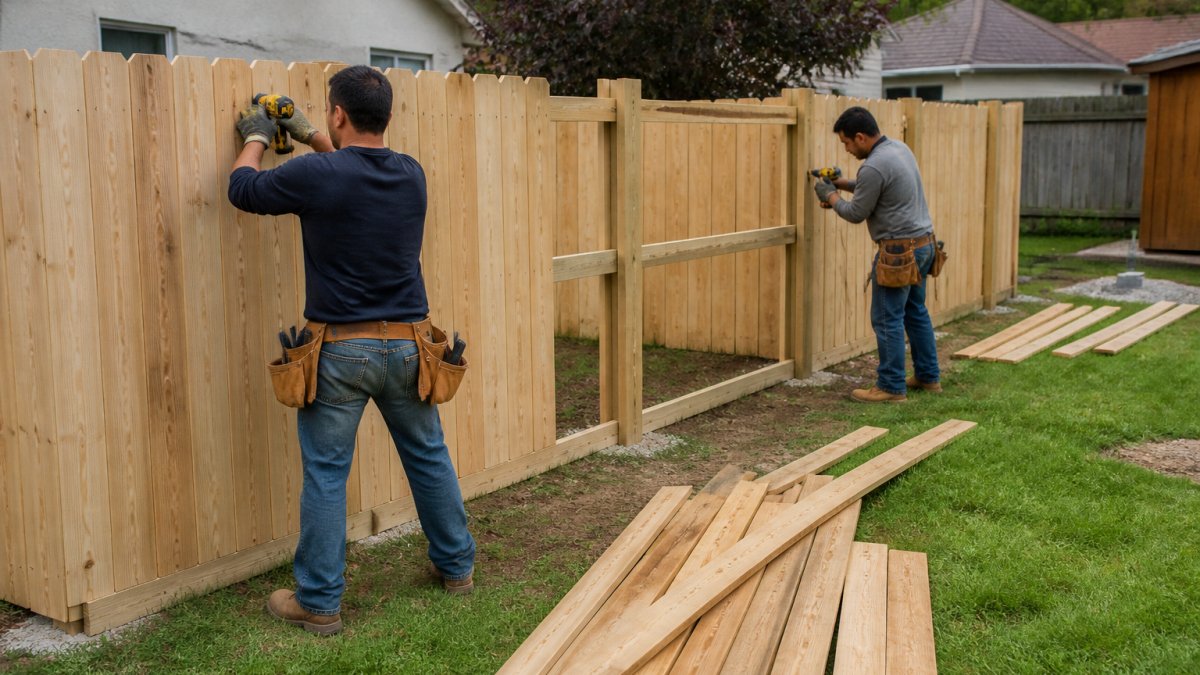
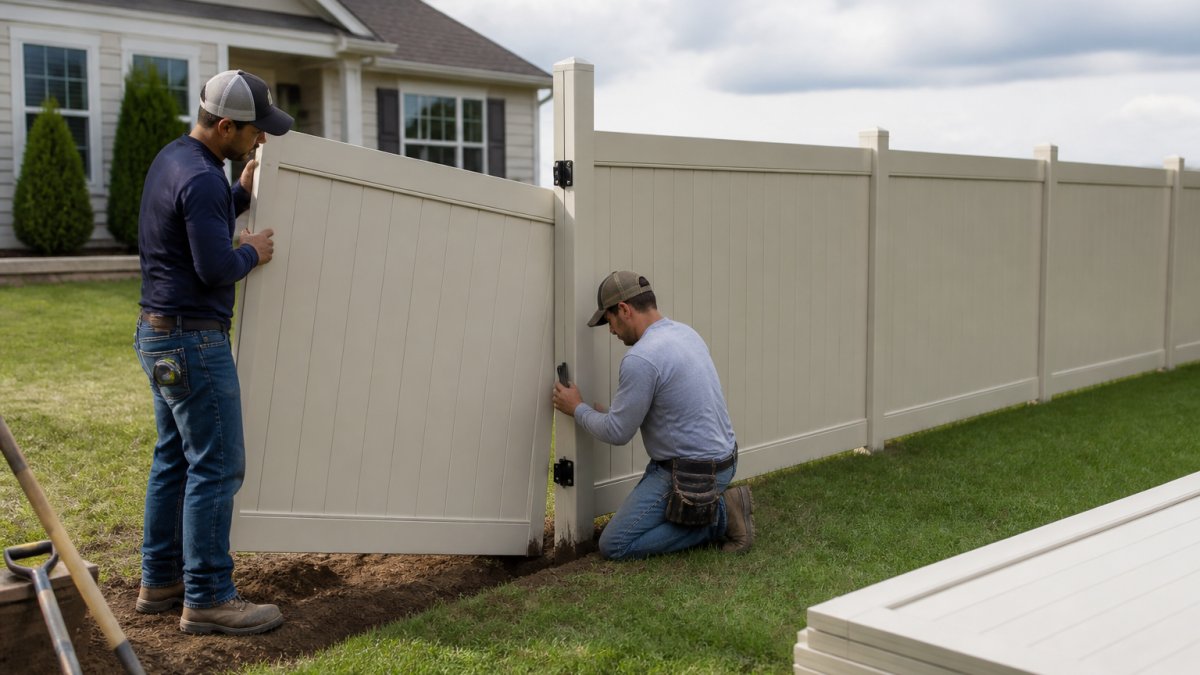
Labor is the biggest single component of fence post installation labor cost per post, and it covers far more than digging. A professional crew brings layout, digging, setting, plumbing, bracing, and cleanup, plus the equipment and experience to do it once instead of twice.

When you hire a fence contractor, you're paying for:
- Site layout and string-line marking
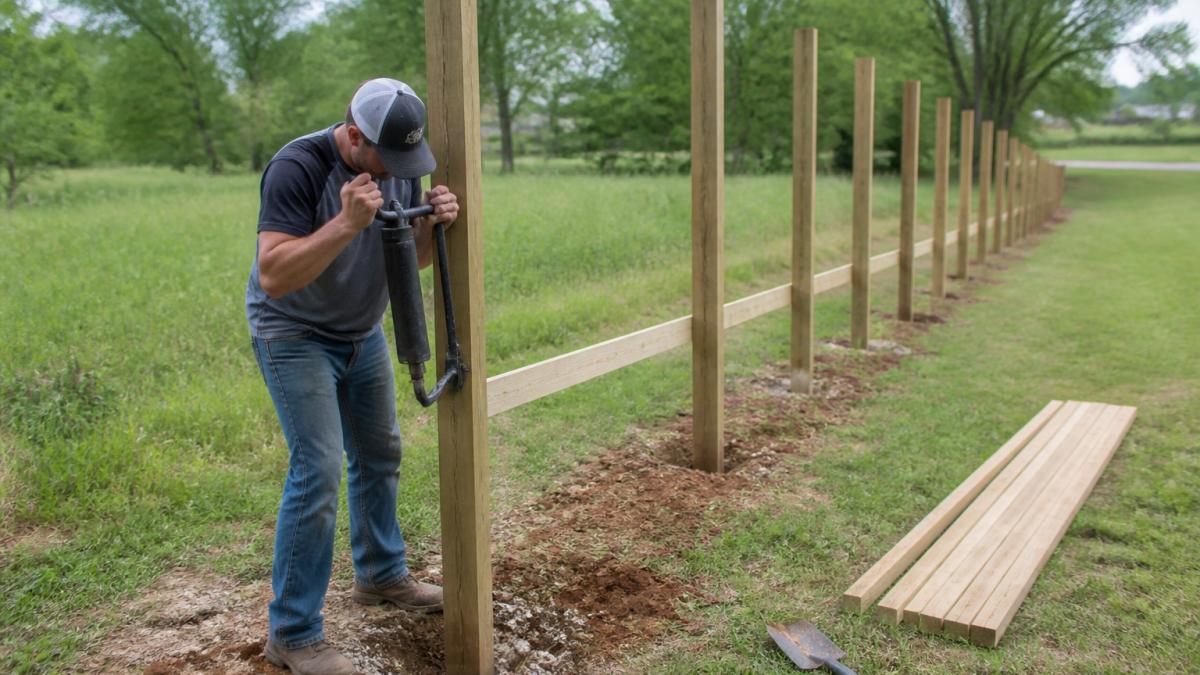
- Post hole digging, by hand or with a power auger
- Concrete mixing and pouring, or dry-set tamping
- Plumbing and bracing each post while it cures
- Removal of spoils and cleanup
How Crew Time Actually Adds Up Per Post
Most fencing crews bill labor either as a flat per-post rate or an hourly rate multiplied by crew size. The flat rate is simpler to compare but hides the variables that matter. A two-person crew commonly bills 30 to 60 minutes of combined labor per post on easy ground, and 90 minutes or more when the ground fights back, the difference between a routine install and a change order.
| Task | Easy ground (per post) | Difficult ground (per post) |
|---|---|---|
| Layout and marking | 2-3 min | 2-3 min |
| Hole digging | 5-10 min (power auger) | 20-40 min (hand tools or rock bar) |
| Setting and plumbing | 5-10 min | 8-15 min |
| Concrete mix and pour | 5-8 min | 5-8 min |
| Bracing and cleanup | 3-5 min | 5-8 min |
Post Hole Digging, Setting, and Equipment Costs
Post hole digging is where the equipment and labor line items live. A gas auger speeds up soft ground but struggles in rock or tight clay, where crews fall back to hand tools. Every hour the auger spins or the shovel turns is billable, and difficult ground can double the labor on a single post.
A per-post price that looks low is often priced for ideal soil. If the quote does not state how rock, roots, or old footings are handled, that risk is being left on your side of the contract.
The labor line is not just digging, it is layout, equipment, setting, bracing, and cleanup, multiplied by every post on the run. Ask for the per-post time assumption in writing so you can compare bids on the same basis.
Average Cost of Concrete for Fence Posts and Other Materials
Concrete is the material most homeowners underestimate. The average cost of concrete for fence posts depends on hole diameter, depth, and post count, but the pattern is consistent: bigger holes and deeper footings consume more bags per post, and the total climbs quickly on a long run.
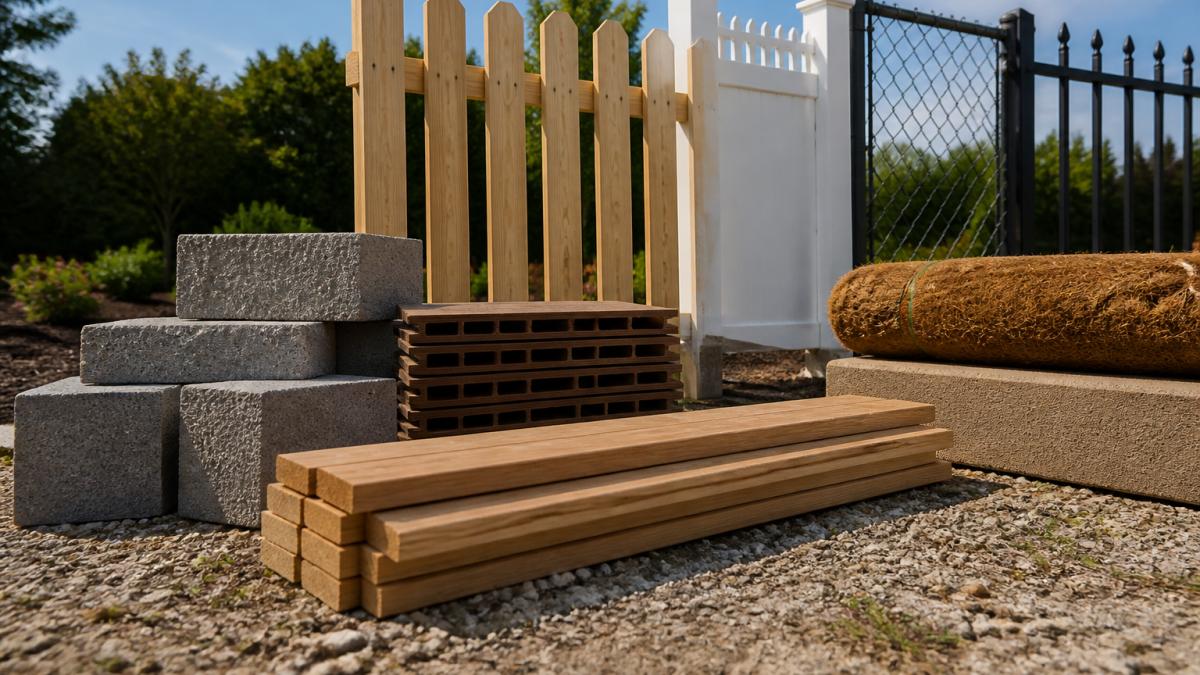
| Material | What It Does | Cost Driver |
|---|---|---|
| Concrete mix | Anchors posts in a solid footing | Hole diameter and depth; bags per post |
| Pressure-treated lumber | Standard wood post option | Post length and thickness |
| Vinyl fencing | Low-maintenance alternative | Post spacing and section count |
| Gravel or crushed stone | Dry-set drainage base | Volume per hole |
| Gate hardware | Supports swing and latch loads | Gate weight and width |
Concrete vs. Gravel Footings: The Cost and Drainage Trade-Off
Most guides stop at the bag count, but the more useful question is whether you should pour concrete at all. Concrete-set posts resist lateral load and hold plumb, but they trap moisture against the post base, where wood rot starts. Gravel-set posts drain better and cost less in material, but resist wind and gate loads poorly and are a poor fit in heaving soils.
Post Material Durability vs. Installation Cost
Cheaper posts usually cost more over the life of the fence. Pressure-treated lumber is the budget standard but can rot at the base when drainage is poor. Vinyl resists rot and insects but demands careful installation and may crack in extreme cold. Steel and iron cost more up front and last the longest.
The cheapest post on the quote is rarely the cheapest fence. Factor in replacement cost, maintenance, and warranty coverage before you decide which material wins, and ask whether the footing is designed to drain.
Post Material Durability vs. Installation Cost
The cheapest post on the quote is rarely the cheapest fence. Factor in replacement cost, maintenance, and warranty coverage before you decide which material wins.
Hidden Costs: Permits, Surveys, and Debris Removal
The line items nobody mentions until the invoice arrives are the ones that blow up budgets. Zoning permits, property line surveys, and debris removal are common additions to a fence post installation project, and they can add meaningful cost depending on your municipality and site.
How to Get an Accurate Fence Post Installation Quote
An accurate quote starts with a site visit, not a phone call. A contractor who bids without seeing the ground, measuring the run, and checking access is guessing, and guesses become change orders. Use the checklist below to compare bids line by line.
- Written scope of work with post count and spacing
- Post depth stated in inches, not "deep enough"
- Material specifications for posts, concrete, and hardware
- Labor broken out from materials
- Permit and survey responsibilities clearly assigned
- Debris removal and site cleanup included
- Warranty coverage on labor and materials, in writing
- Payment schedule tied to milestones, not deposits
Frequently Asked Questions
How much should I charge to install a fence post?
If you're hiring out, expect labor to run a meaningful share of the total project. Professional crews typically price post work by the post, factoring in hole depth, soil type, concrete, and equipment. The rate covers digging, setting, leveling, and backfilling. Rather than guessing a number, get a written quote that separates labor from materials so you can see exactly what the fence post installation labor cost per post includes.
Does the type of material affect the cost of fence post installation?
Yes. Pressure-treated lumber and vinyl posts are lighter and faster to set, which keeps labor lower. Iron and steel posts weigh more, often need deeper footings, and may require welding or specialized brackets. Heavier materials raise both the equipment needed and the time per post. The material you choose also affects long-term durability, so the cheapest post upfront is not always the cheapest over ten years.
What factors contribute to the labor cost of setting fence posts?
The biggest drivers are soil condition, post spacing, fence height, and site access. Rocky or clay-heavy soil slows digging and may require different equipment. Tight spaces limit machine access, so crews dig by hand. Deeper holes for taller fences or wind exposure add time. Concrete volume, curing time, and cleanup also factor in. A contractor who explains these variables upfront is giving you a more honest number.
How deep should fence posts be buried for maximum stability?
A common rule is one-third of the post's above-ground height buried below grade. A 6-foot fence usually means posts set about 2 feet deep, but frost depth matters. In regions with deep frost lines, holes may need to go 3 feet or more to prevent heaving. Setting posts too shallow is the top reason fences lean within a year, so confirm the depth in your written quote.
Fence post installation is where cutting corners shows up fastest, and it's the one part of the job you can't easily fix later. Fence Company Lincoln has handled post installation and repair on residential and commercial properties for over 30 years, with no subcontracting, fully licensed, insured, and bonded crews, and a price matching policy that keeps the value honest. Get started with Fence Company Lincoln and secure a fence that stands plumb through every season.