 ultimate-guide
Comprehensive Fence Project Management for Competitive Pricing
Table of Contents
- What Comprehensive Project Management Includes from Design to Completion
- How to Compare Fence Contractor Quotes
- Fence Installation Project Timeline: What to Expect Week by Week
- Questions to Ask Before Hiring a Fence Company
- Factors That Influence Competitive Fence Pricing
- Why Avoiding Subcontractors Leads to Better Pricing and Quality
- Conclusion: Managing Your Fence Project for the Best Value
- Frequently Asked Questions
Last Updated: September 18, 2026
What Comprehensive Project Management Includes from Design to Completion
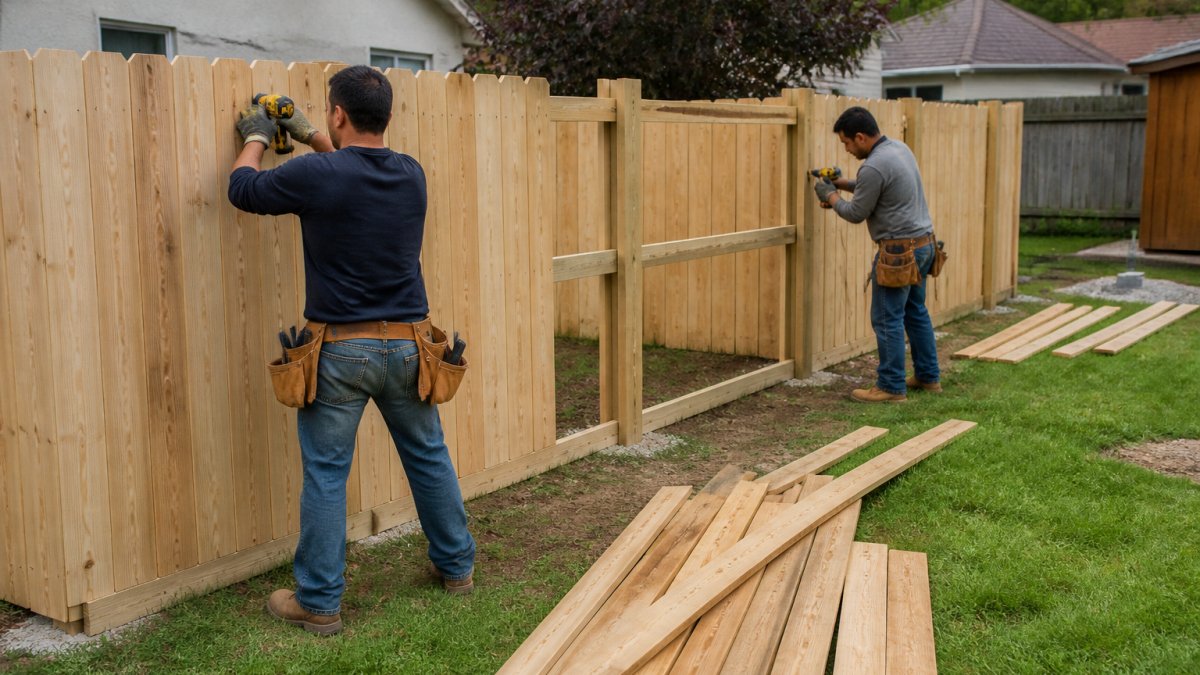
Comprehensive fence project management is the practice of overseeing every stage of a fencing job, from initial site assessment and design through permitting, material procurement, installation, and final inspection, under a single accountable contractor. At Fence Company Lincoln, we've run projects this way for over 30 years, and the difference shows up in the final invoice.
The process breaks into distinct phases, each with its own decisions that affect what you ultimately pay. Skip a phase or hand it to a different party, and costs tend to reappear later as change orders or rework.
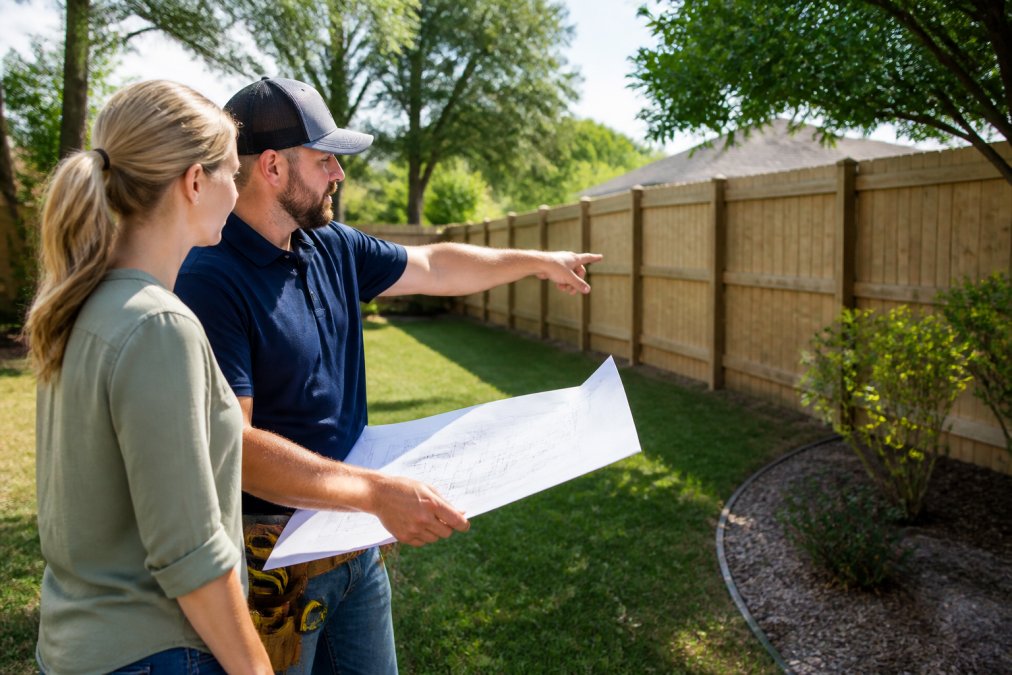
Design and Permitting Phase
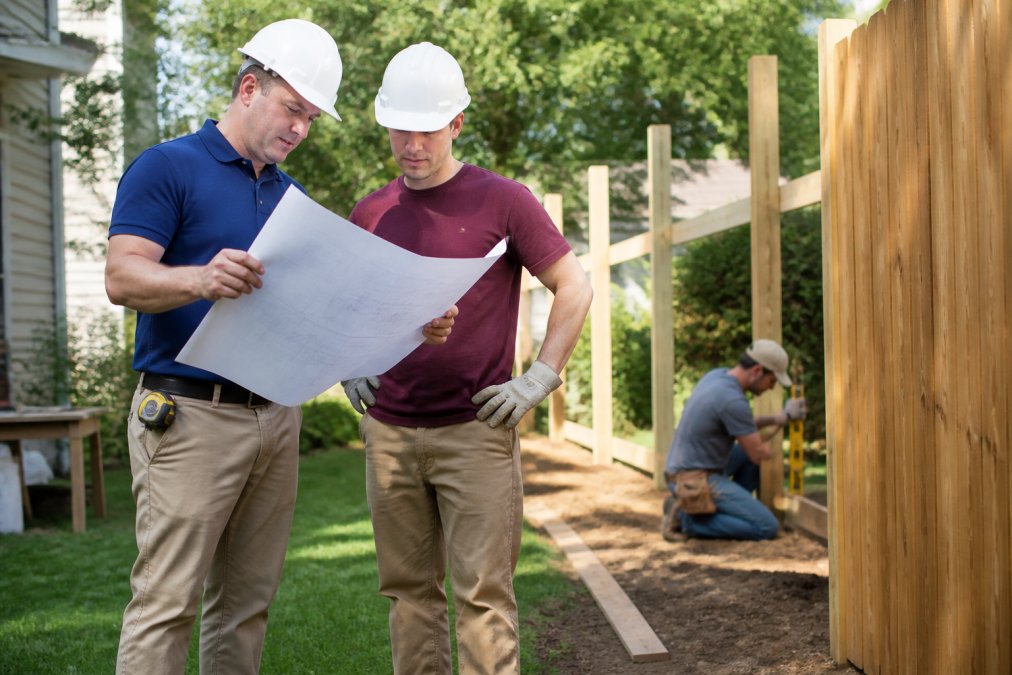
Design starts with measuring the actual property line, not the one you assume you have. A contractor who pulls your plat and walks the boundary before quoting will catch easements, utility corridors, and setback rules that change the fence layout.
Permitting follows. Most municipalities require a permit for fences above a certain height, and homeowner associations often impose stricter rules than the city does. Handling this phase properly means submitting accurate site plans the first time, which avoids the resubmission fees and delays that inflate project costs.
Material Procurement and Site Preparation
Procurement is where scheduling discipline pays off. Materials ordered too early sit exposed on site and absorb weather damage; ordered too late, they stall the crew and push your install into a busier season.
Site preparation covers clearing the fence line, marking utility locations through the national 811 call-before-you-dig service, and confirming soil conditions. Post depth and concrete requirements depend on frost depth and soil type, and getting that wrong is the single most common reason fences lean within a year.
A contractor managing the full sequence controls all of this without handing you off between vendors.
How to Compare Fence Contractor Quotes
Comparing fence contractor quotes means normalizing every bid to the same scope before you look at the bottom line. Three quotes for "a 150-foot privacy fence" can describe three entirely different projects.
Ask each contractor for the same document set: linear footage, post spacing, post depth, concrete specification, material grade, gate hardware, removal and disposal of the old fence, and permit handling. When one bid includes disposal and another doesn't, the cheaper number is often the more expensive project.
Line-Item Breakdown vs. Lump-Sum Bids
A line-item bid tells you what you're paying for; a lump-sum bid tells you only the total. Line items make it easy to see where a contractor is cutting corners, and they make change orders transparent later.
Lump-sum bids aren't automatically bad, but ask for an itemized attachment even if the contract total is fixed. A contractor who won't break down the scope is asking you to trust a number you can't audit.
| Quote Element | Line-Item Bid | Lump-Sum Bid |
|---|---|---|
| Material specification | Itemized by grade and quantity | Often unspecified |
| Labor and excavation | Separated | Bundled into total |
| Permit fees | Shown as a line | Sometimes excluded |
| Old fence removal | Usually explicit | Frequently omitted |
| Change order pricing | Pre-agreed rates | Negotiated later |
Fence Installation Project Timeline: What to Expect Week by Week
A typical residential fence installation takes one to three weeks from signed contract to final walkthrough, depending on permit timelines, material lead times, and site conditions. Weather and inspection scheduling can extend that.
Here's how the weeks usually break down:
- Week 1: Site measurement, design confirmation, permit submission, and material ordering.
- Week 2: Utility marking, line clearing, and post-hole excavation. Posts set in concrete and left to cure.
- Week 3: Rails, panels or pickets, gates, and hardware installed. Final inspection and cleanup.
Commercial projects and custom iron work run longer. Ask your contractor for a written schedule with milestones, and confirm who owns each delay if a permit or material shipment slips.
Questions to Ask Before Hiring a Fence Company
Before hiring a fence company, verify licensing, insurance, bonding, and whether the crew is employed directly or subcontracted. These four answers tell you more about your risk than any review score.
Ask specifically:
- Are you licensed, insured, and bonded, and can I see certificates?
- Will your own employees do the work, or will you subcontract it?
- How deep will posts be set, and what concrete mix do you use?
- Who pulls the permit, and who pays if it's denied?
- What's the warranty on materials and on installation labor?
- How do you handle multiple properties or phased jobs?
That last question matters if you manage rentals or commercial sites. A contractor running one crew handles a multi-property schedule very differently than a company with dedicated crews.
According to the U.S. Federal Trade Commission's guidance on home improvement contracts, contracts for home improvement work should be in writing and include a detailed description of the work, materials, and total price. Use that standard when you review any fence bid.
Factors That Influence Competitive Fence Pricing
Competitive fence pricing comes down to five variables: material choice, site conditions, linear footage, gate count, and who manages the project. Two identical-looking yards can differ substantially in cost because of what's underground and how accessible the fence line is.
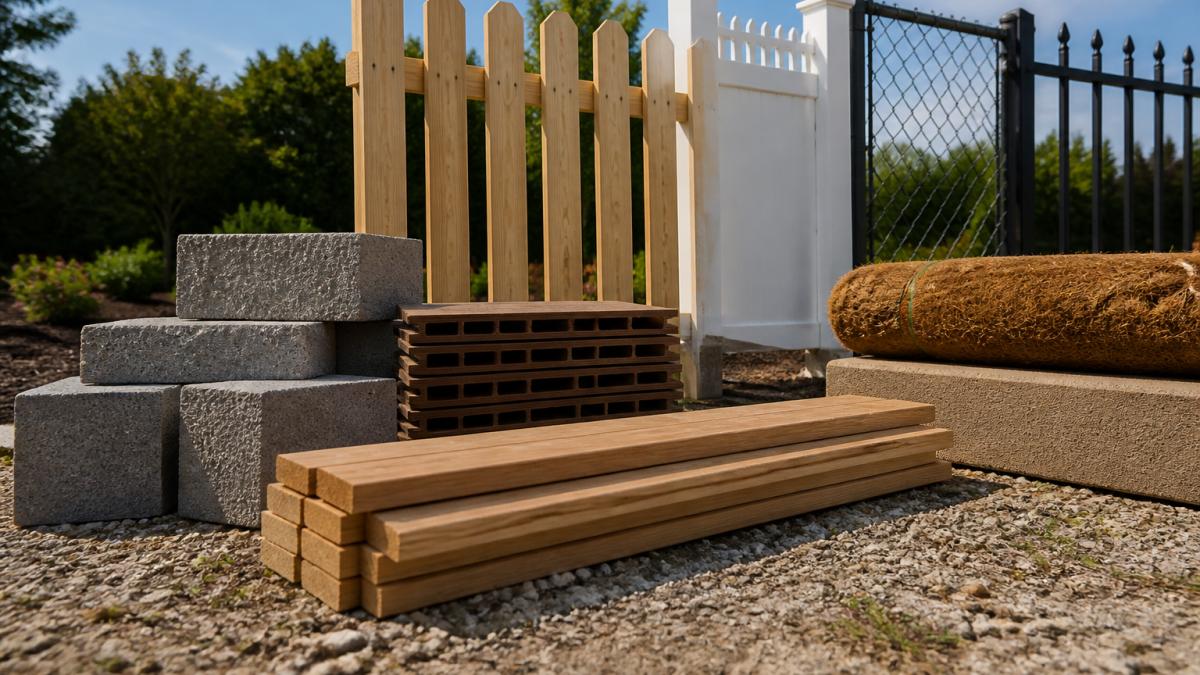
Material drives the widest range. Chain link costs the least per foot; wood sits in the middle; vinyl and ornamental iron run higher. That said, material alone rarely explains a quote gap. Labor efficiency, disposal, and project oversight usually account for the rest.
Material Selection and Site Conditions
Site conditions are the hidden variable. Rocky soil, tree roots, slopes, and tight access for equipment all add labor hours. A fence line running through a slope needs stepped panels or racked pickets, which takes longer than a flat run.
Ask each contractor how they priced your specific site. A bid that ignores slope or root removal isn't competitive; it's incomplete, and those costs will surface as change orders.
The U.S. Department of Energy's guidance on exterior home improvements notes that exterior projects should factor in site-specific conditions during planning, the same principle that applies to fencing.
Why Avoiding Subcontractors Leads to Better Pricing and Quality
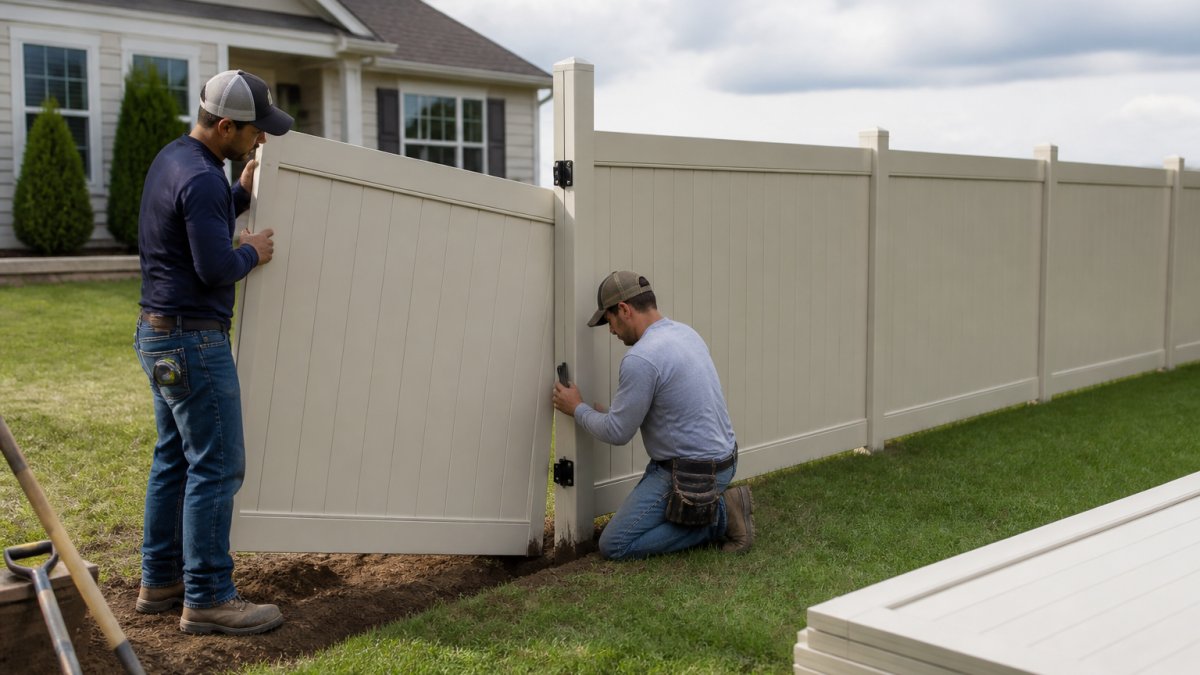
Avoiding subcontractors leads to better pricing because every layer of subcontracting adds markup without adding work. When a company sells you a fence and then hands the install to a third party, you're paying for two businesses to profit from one job.
The quality problem is worse. Subcontracted crews are paid by the job, not by the outcome, so shortcuts like shallow post holes or skipped concrete become common. You also lose accountability: when something fails, the sales company and the install crew point at each other.
At Fence Company Lincoln, we don't subcontract our work.
Conclusion: Managing Your Fence Project for the Best Value
The fence projects that go smoothly share one trait: a single contractor managing design, permitting, procurement, and installation as one sequence. Splitting those phases across vendors is how budgets drift and timelines slip.
Frequently Asked Questions
What does comprehensive project management include for fence installation?
It covers every phase: site assessment and design, permit filing, material ordering, scheduling, installation, and final walkthrough. A dedicated project manager coordinates trades, tracks the budget, and handles changes so you have one point of contact. This end-to-end approach prevents delays and surprise costs, keeping the project on time and on budget from start to finish.
How does professional project management lead to more competitive pricing?
Managing the project from design to completion eliminates costly rework, material waste, and schedule overruns. A single manager can negotiate better material rates, avoid subcontractor markups, and catch issues early. Those savings are passed to you as a more competitive price. Ask contractors how they manage budgets and change orders to gauge their efficiency.
What factors influence the total cost of a custom fence project?
Key factors include material type (vinyl, wood, chain link, iron), fence height and length, terrain, soil conditions, gate count, and local permit fees. Labor rates and site accessibility also matter. Because pricing depends on these variables, request a detailed, line-item quote. Fence Company Lincoln provides transparent estimates and a price-matching policy to ensure value.
How do I evaluate a fence contractor's project management process?
Ask about their communication plan, scheduling tools, and how they handle change orders. A contractor who provides a written timeline, regular updates, and a single point of contact is better organized. Verify they pull permits and carry insurance. Also ask if they use subcontractors; in-house crews often mean tighter quality control and fewer delays.
What should I ask before hiring a fence company?
Ask about licensing, insurance, and bonding; whether they subcontract; how they handle permits; and what warranty covers installation. Request a detailed quote with materials and labor separated. Ask for references from similar projects and confirm the project timeline. These questions help you compare contractors fairly and avoid surprises.
How long does a typical fence installation take from design to completion?
Most residential projects take two to four weeks from signed contract to completion, depending on permit approval, material lead times, and weather. Design and permitting can take one to two weeks; installation itself often takes two to five days. Commercial or complex projects may run longer. A detailed timeline from your contractor keeps expectations clear.